Aiserveon
Aiserveon
Aiserveon
Engineered for low-latency workloads, high-density storage, and local data compliance across Seattle networks.
As a global epicentre for hyperscale cloud architectures, generative AI deployment, and complex logistics management, the Seattle metropolitan area—spanning Seattle, Bellevue, Redmond, and the wider Puget Sound region—leads the charge in modern software systems. This high concentration of development requires backend hardware capabilities that match localized service demands.
Our position as a specialized enterprise server exporter allows us to source, configure, and ship highly optimized platforms directly into Seattle data centers. Whether deploying hybrid clouds, local edge compute nodes in Washington State, or dense GPU clusters for machine learning research clusters, regional enterprise architectures require platforms with deep architectural efficiency. We supply servers built to handle modern multi-tenant structures, dense thermal profiles, and high-frequency network configurations.
By leveraging our Global Supply Chain integration and Shenzhen Factory 4.0 cost and production efficiencies, local Seattle enterprises gain direct access to robust computing systems, avoiding the regional shipping constraints and inflated premiums common in domestic channels.
Density Demands: Typical Seattle data center deployments are migrating from standard 10kW per rack layouts to high-density 30kW+ rack infrastructures to accommodate generative AI training and microservices. Liquid cooling compatibility and flexible 2U configurations are critical.
Latency Focus: High-frequency financial systems, regional retail operations, and real-time medical imaging systems require edge processing systems designed to decrease data packet transit times to under 5ms within the Puget Sound basin.
How the Seattle hardware landscape is transitioning towards high-efficiency, AI-ready, and dense silicon layouts.
| Technology Focus | Legacy Implementations | Current Enterprise Standard (HPE Gen11 & Dell Gen16) | Seattle Tech Horizon (Next-Gen AI Deployments) |
|---|---|---|---|
| PCIe Throughput | PCIe Gen 4 (Up to 16 GT/s per lane) | PCIe Gen 5 (Up to 32 GT/s per lane) | PCIe Gen 6 Integration (64 GT/s, PAM4 encoding) |
| Memory Architectures | DDR4 (up to 3200 MT/s) | DDR5 (up to 4800 / 5600 MT/s) | CXL 2.0 & 3.0 Coherent Memory Pools |
| CoProcessor Integration | Standard PCIe Accelerator Add-ons | Dual-socket / 8-GPU OAM layouts (H100/H800/L40S) | Unified Compute Fabric & Liquid-Cooled GPU Clusters |
| Thermal Footprint | Standard Multi-Fan Air Cooling | High-Static-Pressure fan modules + Closed-loop liquid | Direct-to-chip water cooling & Immersion-ready chassis |
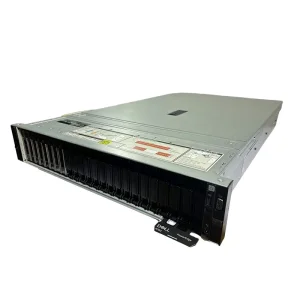
Modern enterprise compute deployment is moving rapidly towards memory-centric server topologies. In the local Seattle market, where microsecond latencies impact millions of daily database queries, compute efficiency is tied to architectural bottlenecks. Integrating modern HPE ProLiant platforms or Dell PowerEdge architectures requires specific configuration of memory layout and PCIe lanes.
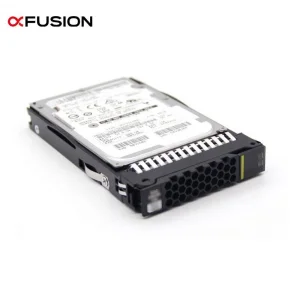
Our technical team works with buyers to structure hardware configurations around CXL technologies and PCIe Gen 5 architectures. We construct storage channels using high-density SSD arrays, including the PM893 Series SSDs, optimizing systems to prevent bottleneck issues during high IOPS operations in virtualized cloud environments.
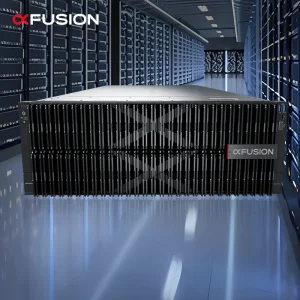
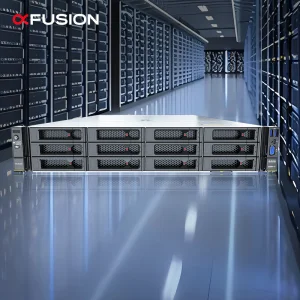
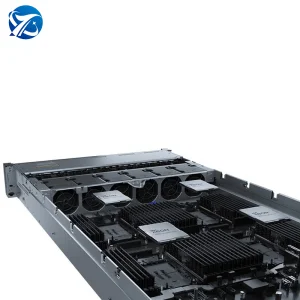
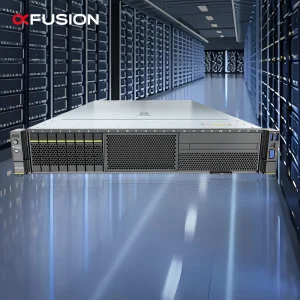
For organizations running deep learning systems such as DeepSeek, LLaMA, or custom neural networks, server designs must feature high-performance coprocessors. We provide custom integration services for xFusion GPU servers, equipping them with optimized rack mounts, robust PCIe switches, and stable thermal designs.
This ensures that training runs do not suffer from thermal throttling, a common issue in dense, air-cooled server clusters. We configure and balance power supplies up to 2000W per node, ensuring consistent power delivery even during peak computational loads.
Custom server configurations mapped to regional industrial ecosystems, ensuring localized operational fit.
Equipped with high-performance GPUs and fast interconnects for processing complex neural networks locally.
Virtualization-ready nodes with dual Xeon or EPYC processors for running highly isolated microservices.
High-throughput storage and memory configurations for processing extensive molecular datasets.
Rugged 1U and 2U short-depth server rack mounts optimized for port terminal operations.
Aiserveon operates out of highly integrated manufacturing hubs in Shenzhen, China, utilizing Factory 4.0 methodology. This includes real-time material tracking, automated component placement, and dynamic scheduling across our assembly floor.
By consolidating component procurement in Asia's largest electronics ecosystem, we source silicon, memory dies, and chassis components at lower costs. We pass these cost benefits on to our customers, allowing Seattle enterprises to source custom-configured servers at pricing far below standard local channels.
Furthermore, our relationships with over 850 upstream component vendors ensure that even during critical global shortages, we maintain access to essential parts. This supply chain stability enables us to complete, inspect, and ship custom server systems while minimizing delays.
Upstream Network: Approximately 850 integrated supply chain partners spanning silicon wafer processing, microcode design, custom sheet metal fabrication, and high-frequency backplane assembly.
OEM/ODM Flexibility: Custom server chassis, specialized BIOS configuration, optimized thermal profiles, and pre-installed hypervisor environments tailored to your network configuration.
Our Quality Inspection System ensures reliability, from incoming silicon validation to full thermal burn-in stress testing before shipping.
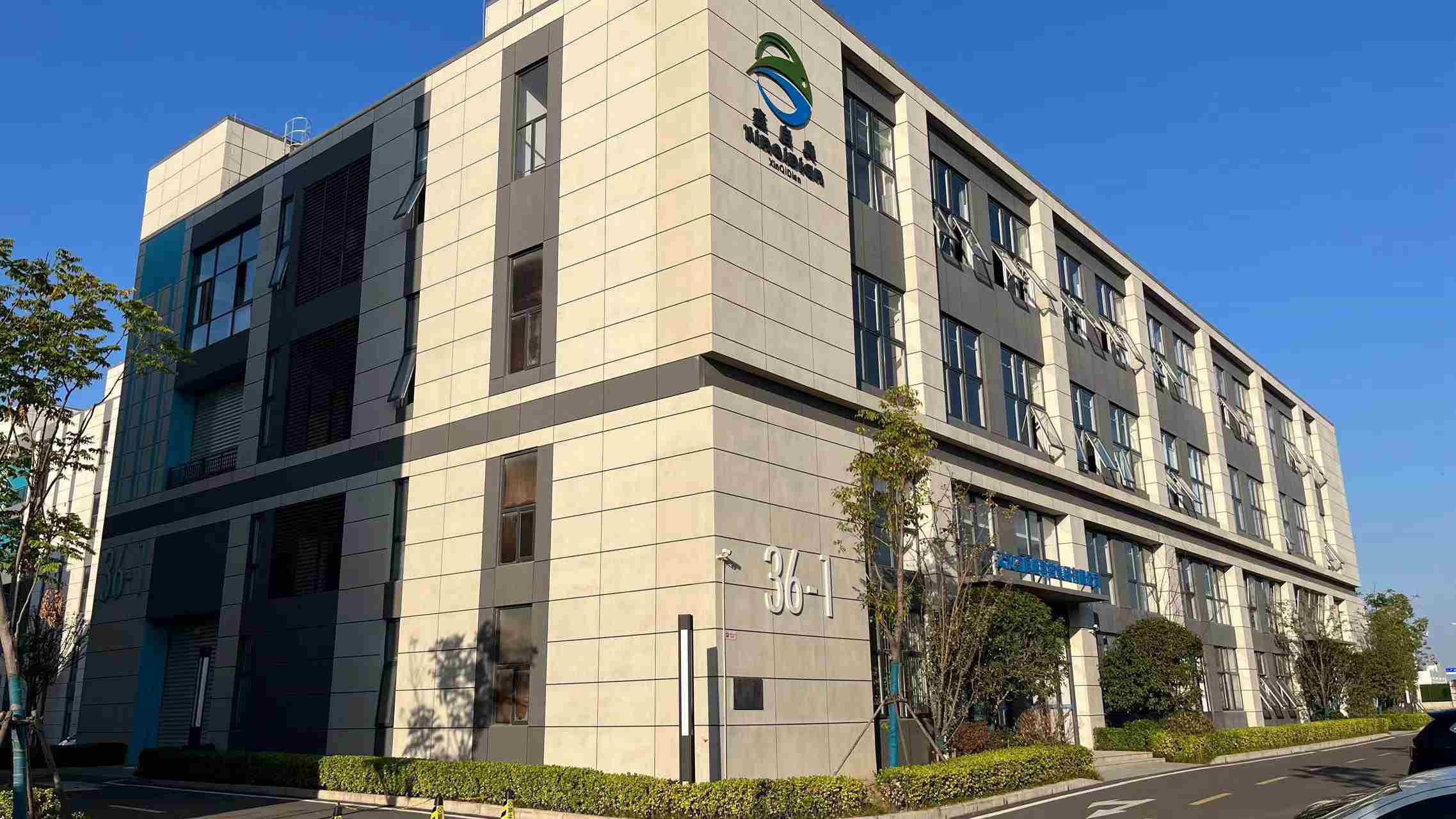
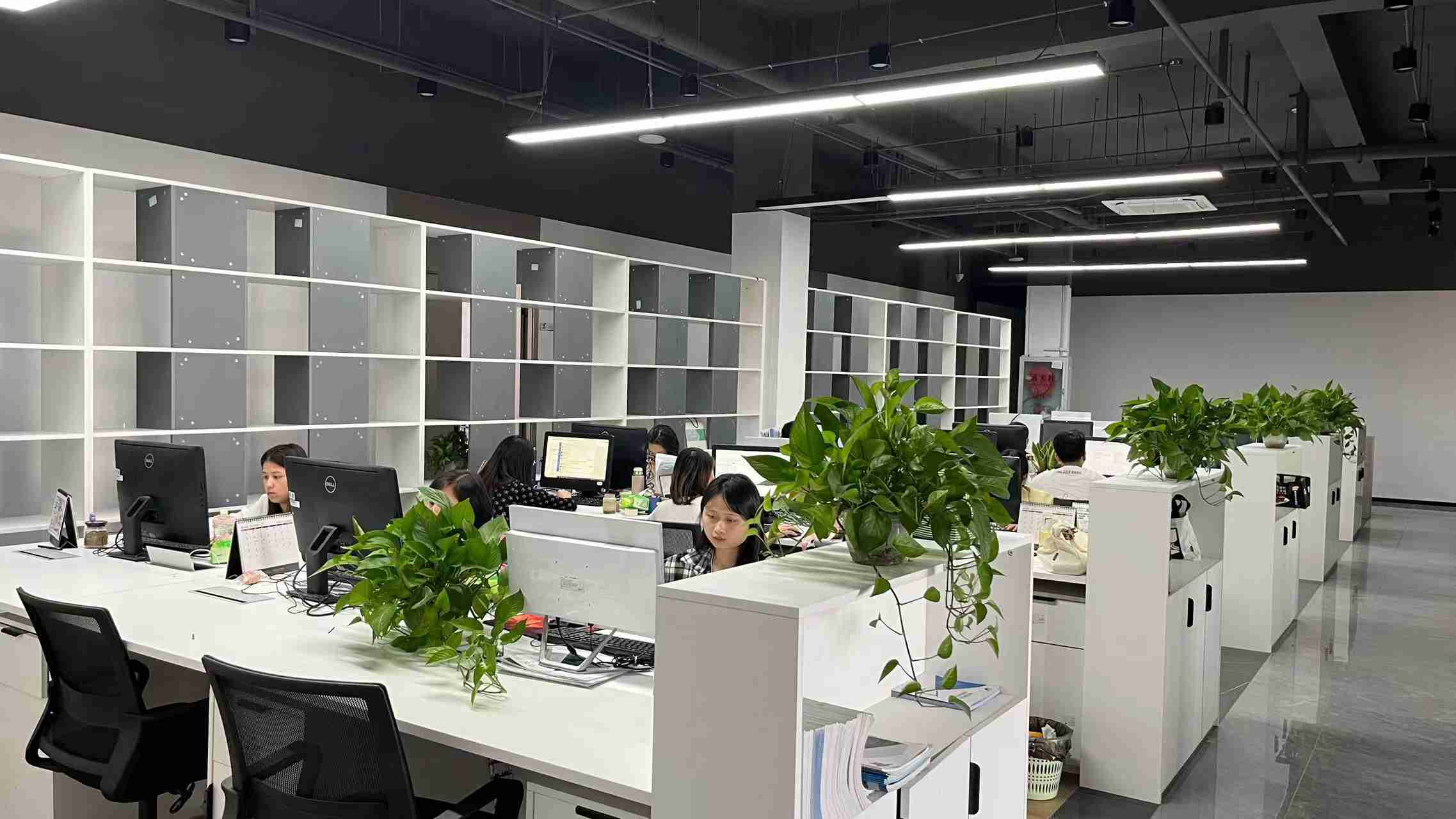
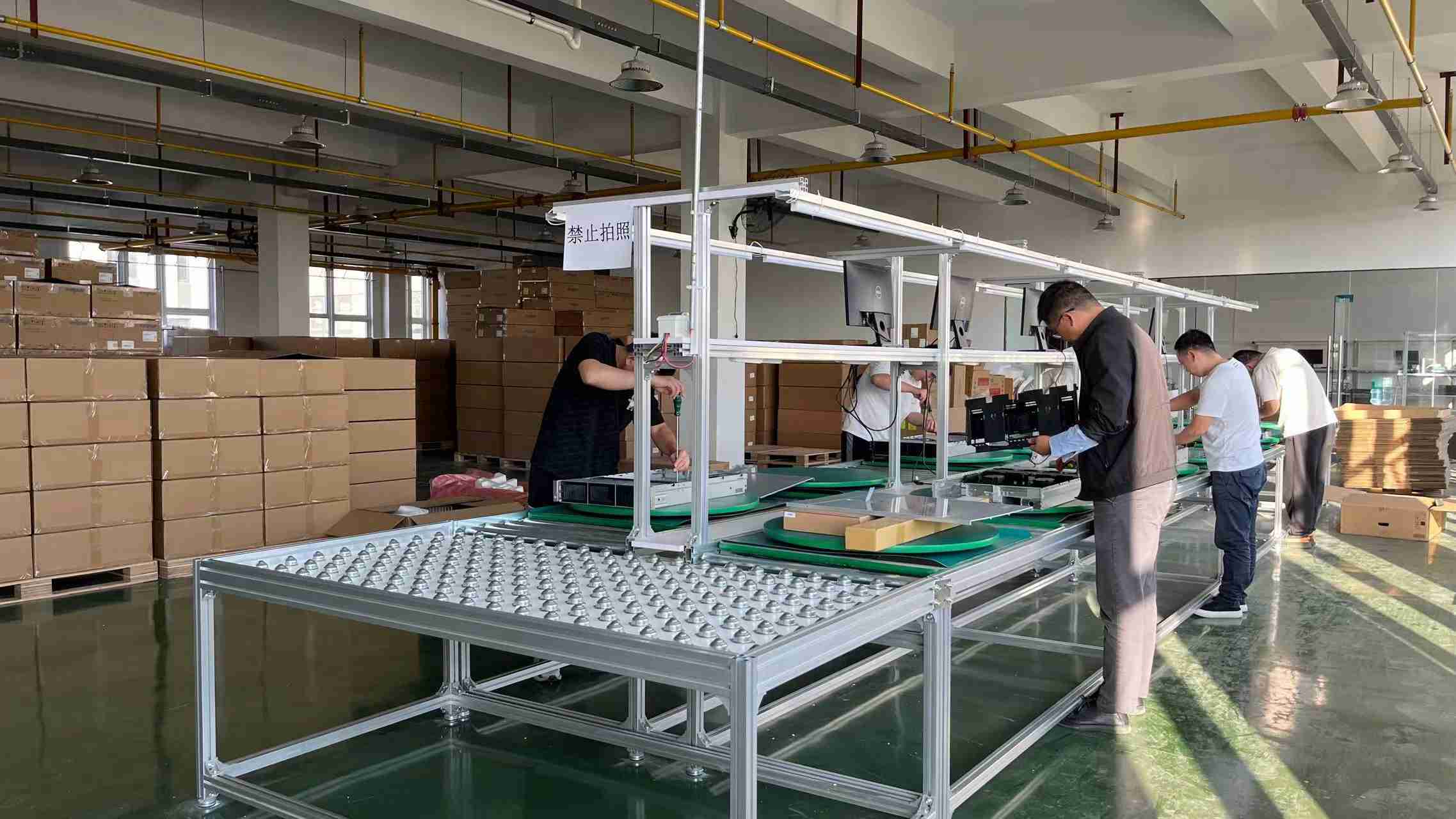
A statistical summary of our manufacturing, engineering, and exporting capacity.
To meet the reliability standards required for Seattle enterprise deployments, Aiserveon utilizes a multi-phase quality verification system. This process ensures component-level integrity and stable multi-day operations under continuous full load.
We run multiple validation routines on all server platforms prior to packaging, testing stability and performance under realistic deployment conditions.
Exporting enterprise computing platforms to the United States requires adherence to trade and regulatory compliance frameworks. Aiserveon manages the documentation, safety certifications, and customs processes required for smooth delivery into Washington State.
All server platforms are certified to comply with FCC Class A/B requirements for electromagnetic interference in commercial environments. Components also carry CE marks and UL certifications, and conform to RoHS restriction of hazardous substances standards.
We coordinate directly with international freight partners to offer shipping options, including air freight directly to Seattle-Tacoma International Airport (SEA) for urgent deployments, and ocean freight to the Port of Seattle for larger server installations. We provide tracking data and customs documentation to simplify the importation process.
Shipping Methods: Direct Air Cargo (5–7 business days to Sea-Tac) or Ocean Freight (18–25 business days to Port of Seattle).
Compliance Standards: FCC Class A, CE, RoHS, UL-recognized power supplies, and customized system labeling.
Packaging Standards: High-density anti-static foam lining, double-walled shipping boxes, and heavy-duty wooden crate wrapping for full racks.
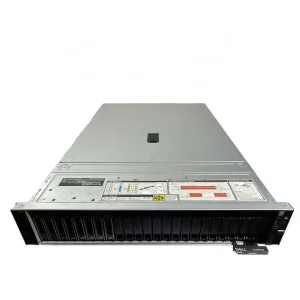
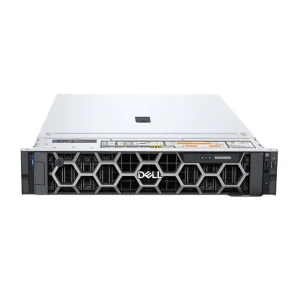
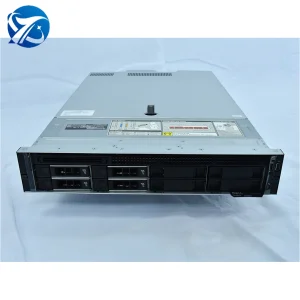
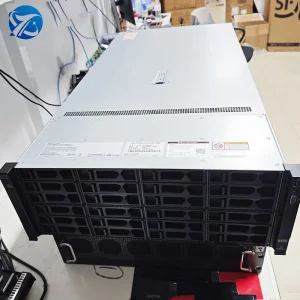
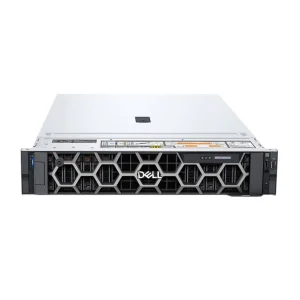
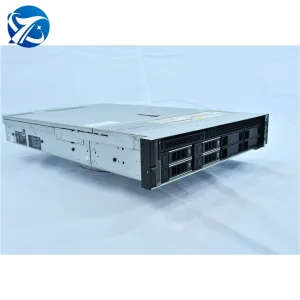
A comprehensive line of rackmount platforms and high-density storage nodes for Seattle and Puget Sound networks.
Addressing compliance, custom configurations, and logistics processes for Seattle-based technology departments.