Aiserveon
Aiserveon
Aiserveon
Explore our industrial-grade computing solutions optimized for deep learning models, large-scale virtualization, and mission-critical cloud deployments.
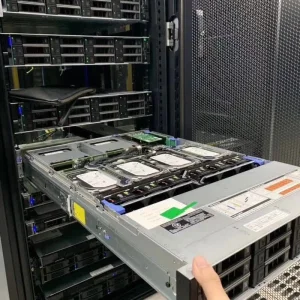
In the era of large language models (LLMs) like DeepSeek, GPT-4, and LLaMA, the global demand for AI server hardware has undergone a structural paradigm shift. Simple computing clusters no longer suffice; modern high-performance AI deployment requires multi-stage thermal optimization, ultra-low latency interconnects, and strict signal integrity validation.
Selecting an optimal AI server supplier involves evaluating hardware compatibility, thermal efficiency, global logistics compliance, and customization capability. Upstream component integration (CPUs, GPUs, DPUs, and high-frequency storage controllers) and downstream optimization (BIOS firmware modification and operating system customization) form the foundation of high-performance deep learning workflows. As an experienced AI server and intelligent computing infrastructure manufacturer, Aiserveon bridges the gap between raw hardware assembly and production-ready high-density computing clusters.
From small enterprise development environments utilizing dual-socket 2U servers to large-scale data centers hosting thousands of multi-GPU clusters, understanding compute efficiency determines long-term ROI. Modern architectures depend on high-bandwidth communication networks like NVLink or PCIe Gen5, which require rigorous engineering validation to ensure maximum throughput under continuous workloads.
Multi-GPU topologies designed to eliminate system bottlenecks. Utilizing PCIe Gen5 lanes and native OAM high-density interconnections to sustain peak data transfer speeds during heavy parallel processing.
Engineered cold-plate liquid cooling and high-flow air channels designed to prevent thermal throttling. Ensuring consistent performance for continuous 24/7 compute loads.
OEM/ODM level customized firmware builds, allowing complete optimization of security boot cycles, virtualized hypervisors, and kernel-level resource allocation.
Shenzhen's industrial clusters represent the global center for hardware integration. The proximity to component manufacturers ensures rapid assembly cycles and complete control over physical build tolerances.
Quality control at the enterprise server level extends beyond basic component functionality. Our systematic, multi-phase verification process ensures operational stability in demanding data center environments:
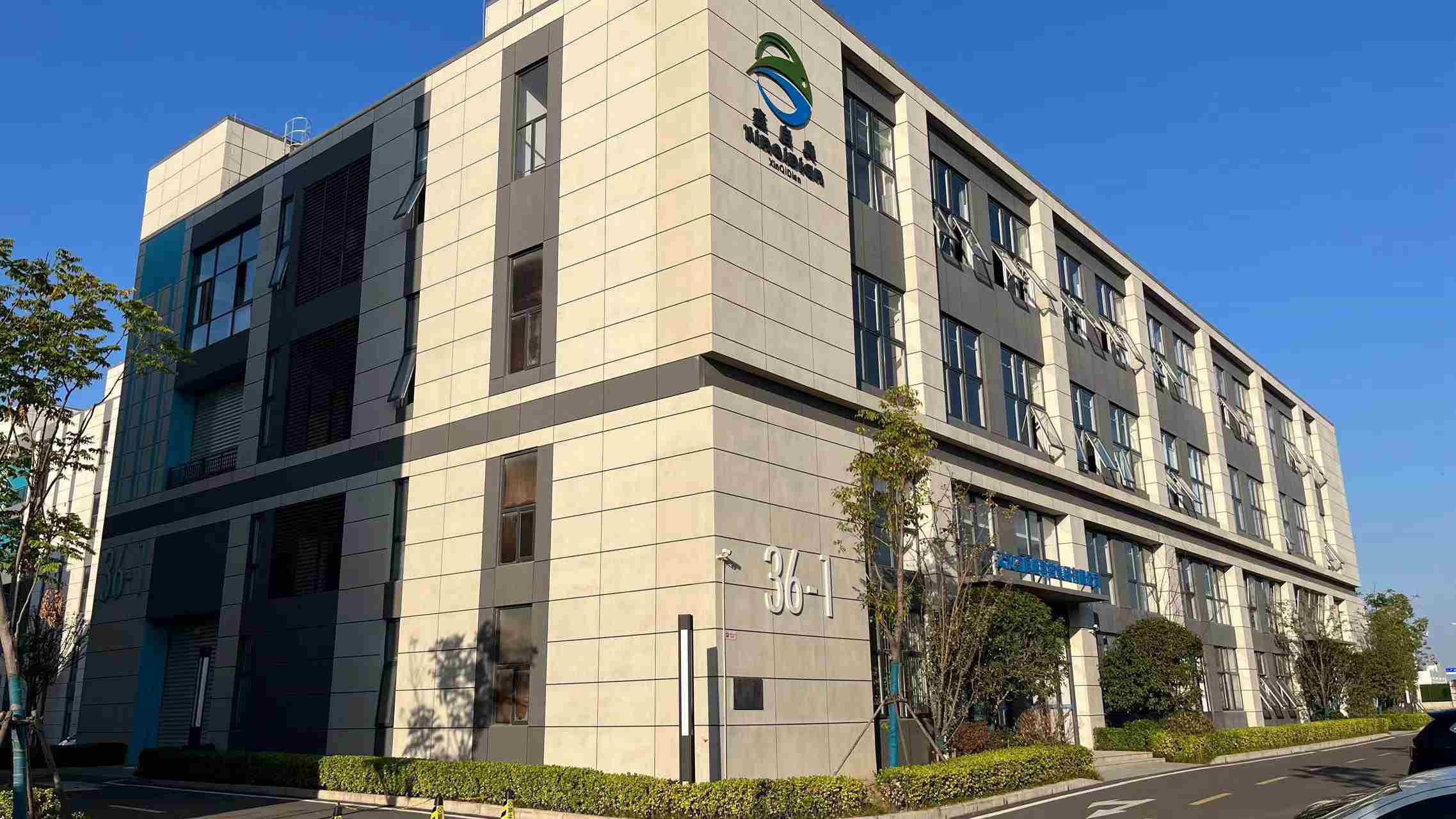
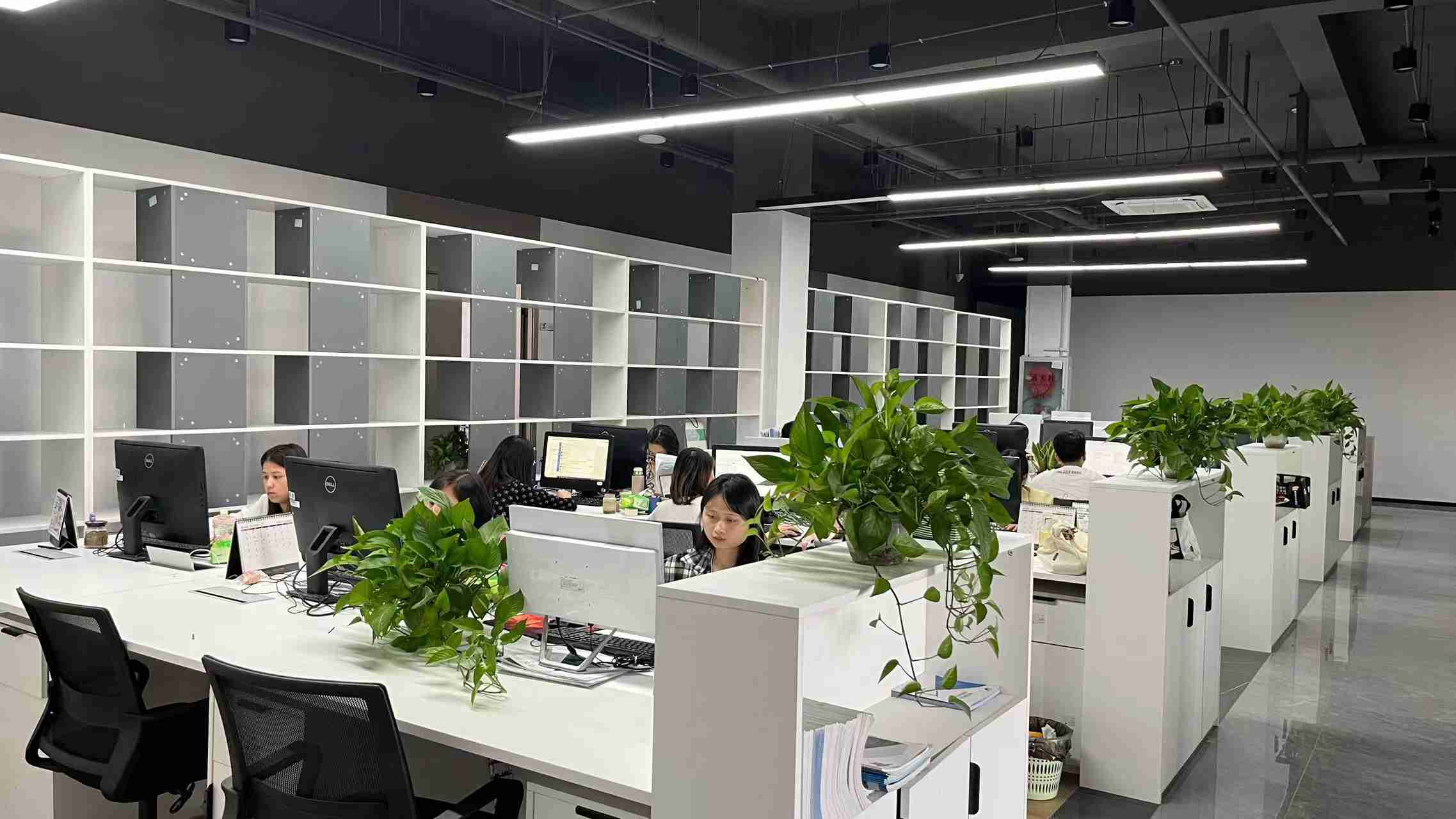
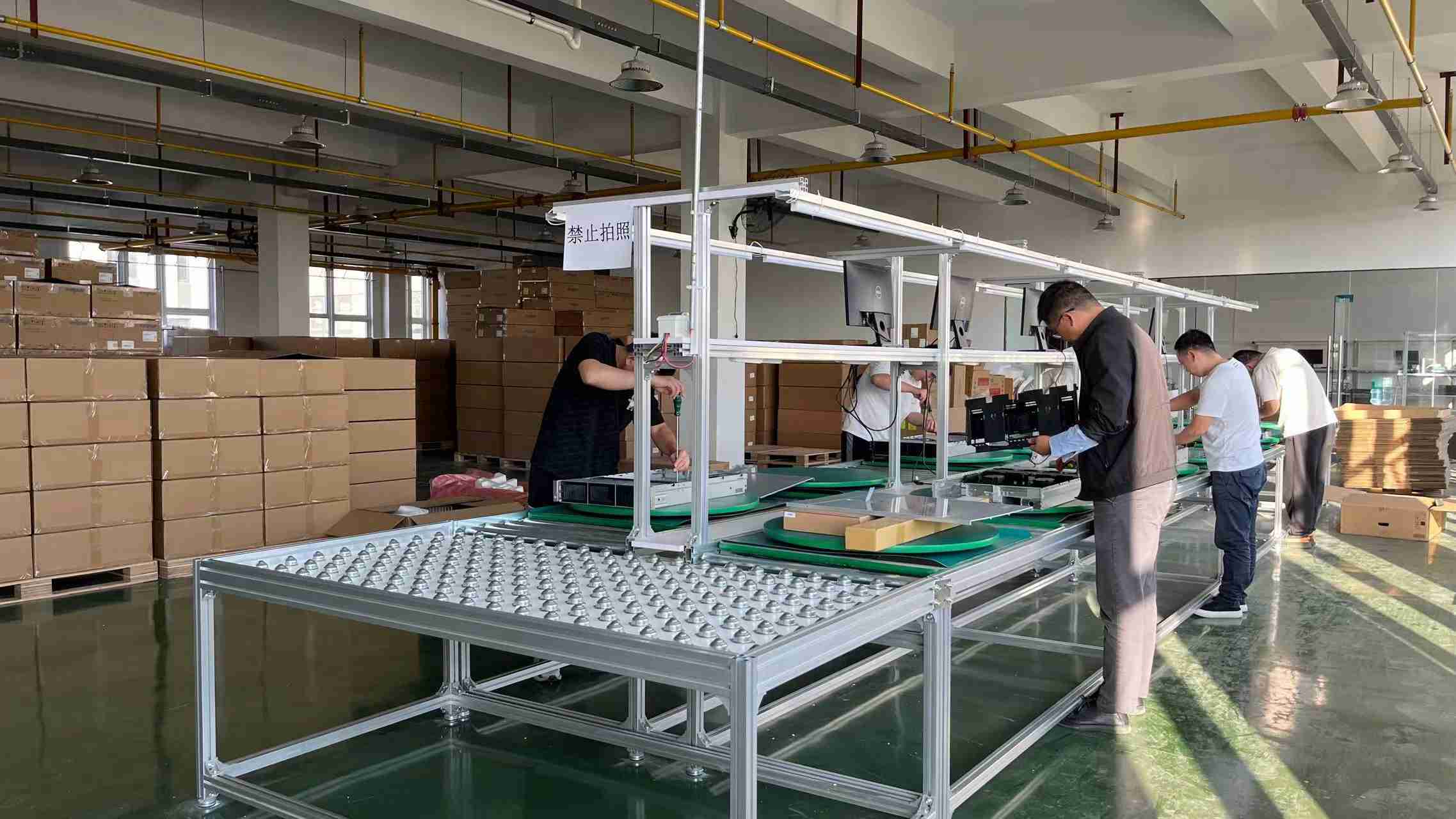
Understanding modern high-performance AI deployment requires an analysis of current technological developments. Below we examine the system integration parameters shaping contemporary data center hardware.
Training large language models (LLMs) requires low-latency data exchange across multiple nodes. Modern architectures utilize high-bandwidth fabrics like NVLink or PCIe Gen5 lanes to route operations between GPUs. System layouts must match host processor capacities with network interface cards (NICs) to maintain balanced data flow. Without optimal layout design, system latency can significantly limit processing throughput.
As GPU power consumption rises (with individual accelerators exceeding 700W), traditional air-cooling structures face physical performance limits. System designers are turning to hybrid cooling systems. Liquid-to-air heat exchangers and direct-contact cold plates help control system temperatures under sustained workloads. Managing thermal dissipation directly impacts component lifespan and overall energy efficiency in data centers.
Large-scale enterprise projects require tailored firmware configurations. Modifying BIOS parameters enables optimized power states, precise PCIe lane speeds, and custom thermal profiles. Customizing hardware profiles allows system integrators to align infrastructure with specific hypervisors and distributed software architectures, improving resource utilization and reliability.
| Server Model | Chassis & Form Factor | Target Workload Optimization | Memory & PCIe Configuration | Cooling Options Supported |
|---|---|---|---|---|
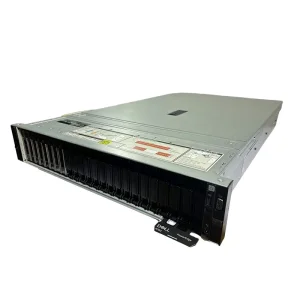
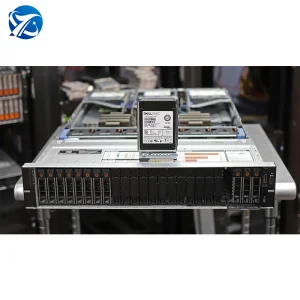
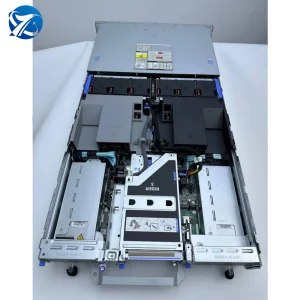
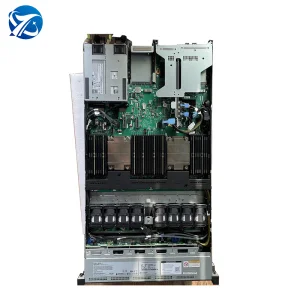
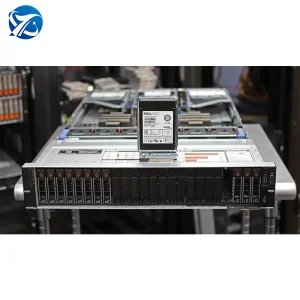
| Dell PowerEdge R760 / R7625 | 2U Rackmount Dual-Socket | Enterprise Inference, Cloud Database, High-Density Virtualization | DDR5 RAM, Up to PCIe Gen5 Support | Smart Flow Air Cooling, Optional Liquid Cooling Loop |
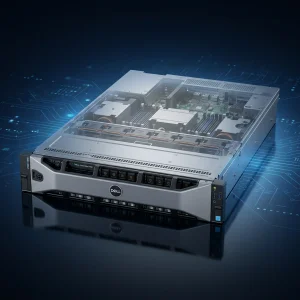
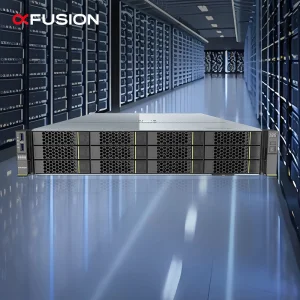
| xFusion FusionServer 2288H V6 / V7 | 2U Rackmount Dual-Socket | Cloud Storage Systems, AI Analytics, Network Infrastructure Management | Up to 32x DDR5 DIMMs, Flexible I/O | Multi-Zone Fan Regulation, Dual Heat Pipes |
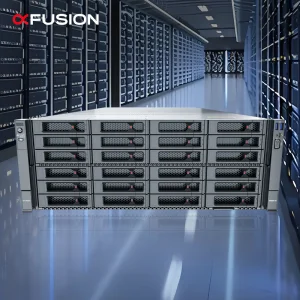
| xFusion G5500 V6 / V7 | 4U/6U High-Density Rack | Large-scale Model Training, Deep Learning Research Clusters | Multi-GPU Support, NVLink Bridges | Dedicated Liquid-Cooling Blocks, High-Volume Blowers |
| Dell PowerEdge R750 / R740 | 2U Classic Standard | General Business Computing, Private Cloud, Edge Gateways | DDR4/DDR5 Support, Mid-tier PCIe lanes | Dynamic Fan Arrays, Traditional Passive Heat Sinks |
Deploying high-performance computing systems requires addressing regional constraints, compliance standards, and infrastructure limitations.
Financial institutions deploying on-premise large language models require strict system isolation. Processing transactional records, risk modeling, and algorithmic trades requires high-throughput configurations with secure TPM modules and hardware-level encryption keys. System reliability must support continuous service availability in secure environments.
Hyperscalers need rapid physical integration and standardized platforms. Standardizing systems with uniform power distribution units (PDUs) and rack dimensions simplifies maintenance and deployment. System solutions must support rapid deployment cycles and unified node management across clusters.
Processing genomic sequences and medical imagery requires high-speed local NVMe storage arrays. Compute nodes must balance processing power with fast storage systems to prevent data pipeline congestion. Systems need high-speed PCIe lanes to move data from storage to processor cores efficiently.
Procurement teams must navigate safety standards, emissions limits, and logistics requirements. Managing shipping documentation, import clearance, and compliance certifications (CE, FCC, RoHS) prevents delays. Strategic sourcing simplifies customs clearance and ensures international shipping safety.
Select from our high-density server configurations, customized node systems, and robust multi-socket rackmount models engineered for critical operations.
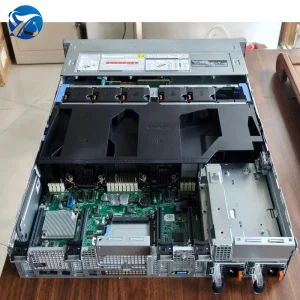
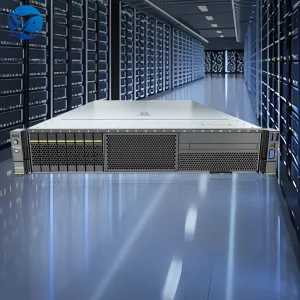
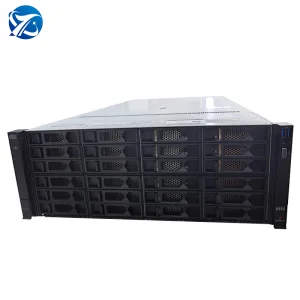
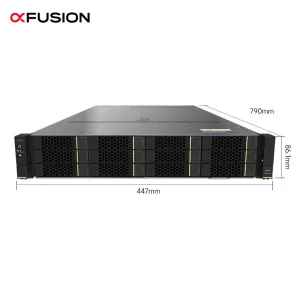
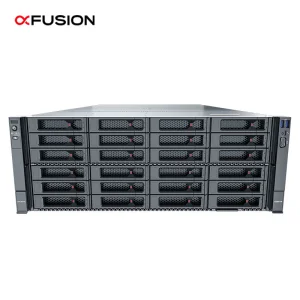
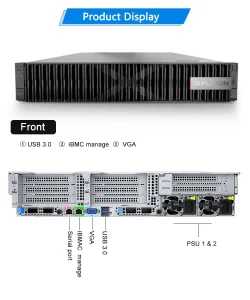
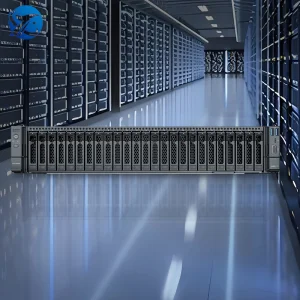
Review technical details, architectural support, and thermal performance parameters before finalizing infrastructure planning.
Air cooling systems use high-speed fans and copper heat sinks. While reliable and simple to maintain, they struggle with high-density GPU deployment. Liquid cooling (either direct cold plate or immersion) handles higher heat densities efficiently, reducing the power consumed by fans and helping to lower overall datacenter PUE.
PCIe Gen 5 offers double the bandwidth of Gen 4, reaching up to 32 GT/s per lane. This helps reduce transfer latency between host processors, memory, and accelerator chips. Minimizing these transfer bottlenecks is crucial for handling large parameters during active inference workloads.
Every configured server undergoes a multi-phase testing process, including high-load burn-in testing, thermal simulation audits, and signal integrity testing. This systematic verification helps ensure hardware components operate reliably under continuous enterprise workloads.
Yes. We offer custom BIOS configuration to optimize virtualization settings, SR-IOV distribution, and custom thermal speed profiles. These adjustments help maximize physical resources in hypervisor environments.
We manage compliance certification requirements, secure shipping containers, and export documentation to support smooth international distribution. Our team works to ensure shipments align with local import regulations.