Aiserveon
Aiserveon
Aiserveon
Select high-performance rackmount computing solutions built for modern data environments, AI inference, and hyperconverged infrastructure.
In the contemporary digital landscape, computing architecture acts as the silent engine of global industry. Enterprise systems face unprecedented pressure to process multi-petabyte datasets, run dense hyperconverged virtualization clusters, and scale deep-learning neural models. To satisfy these tasks, systems from prominent designers like xFusion have risen to industry-standard prominence. Built for extreme scalability and energy efficiency, xFusion server hardware represents a crucial investment for hyper-scale cloud developers, national research labs, and regional enterprise integrators alike.
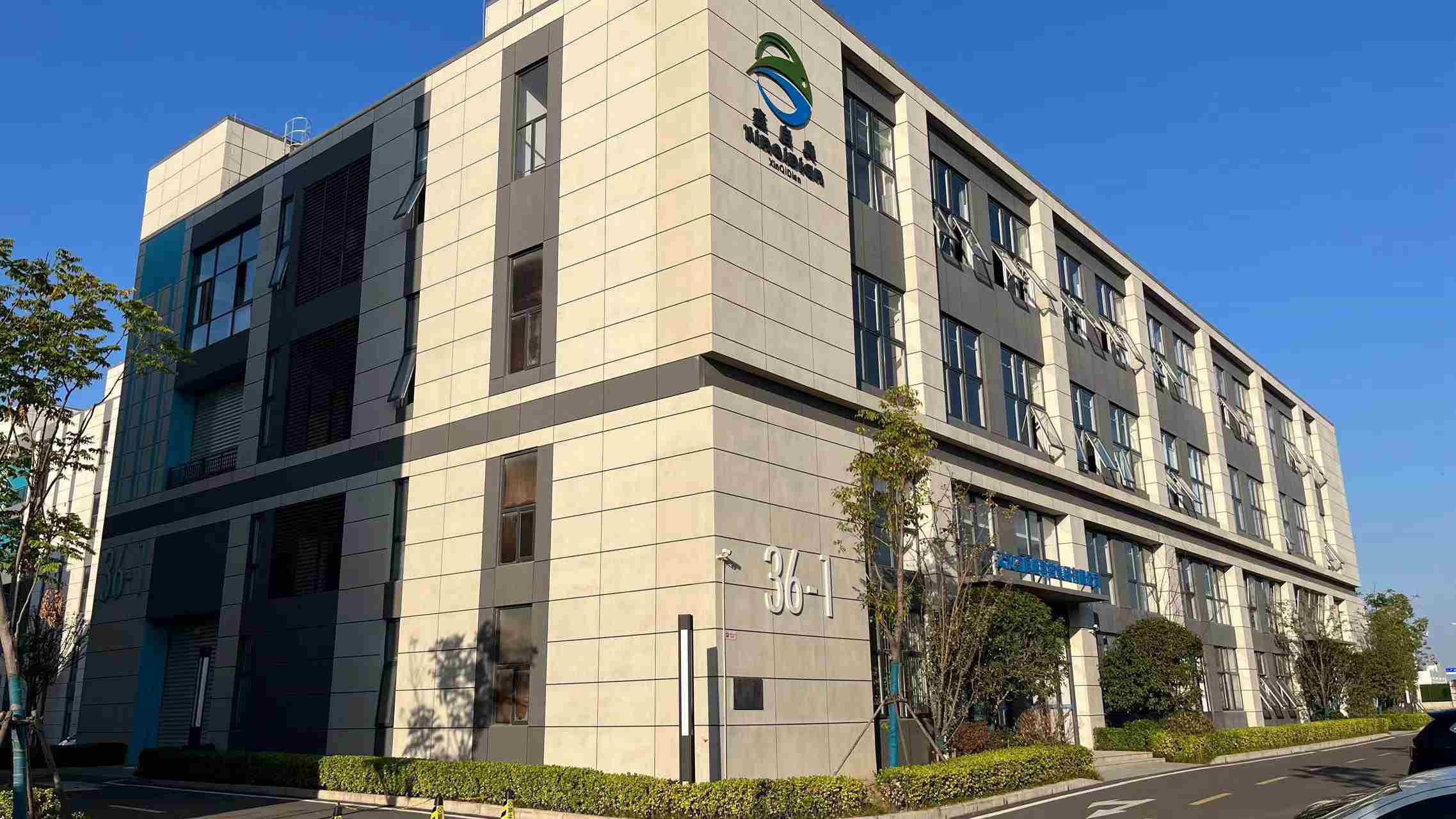
Aiserveon Intelligent Computing Tech Co., Ltd. stands at the nexus of high-performance server distribution, custom system integration, and global supply chain fulfillment. Established in 2016 and leveraging over 12 years of industry experience, we offer deep custom hardware engineering, global logistical compliance, and exhaustive multi-stage quality assurance. By integrating standard xFusion systems and custom OEM/ODM solutions, we deliver infrastructure architectures that perfectly match operational demands and compliance frameworks across North America, Europe, SE Asia, and the Middle East.
Selecting the optimal bare-metal footprint requires a thorough understanding of CPU architecture, memory bandwidth limitations, PCI Express pathways, and storage controller performance. xFusion architectures have evolved significantly across generations, directly addressing the changing needs of global data centers.
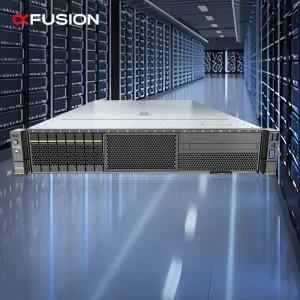
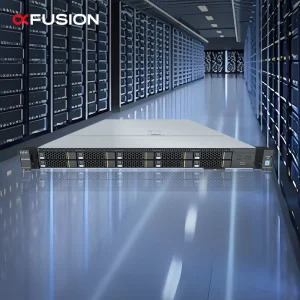
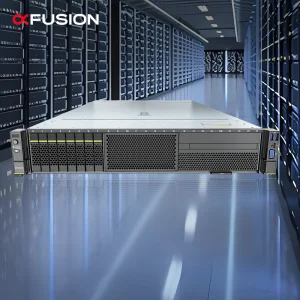
The V5 series, represented by models like the FusionServer 2288H V5 and the space-optimized 1288H V5, utilizes Intel® Xeon® Scalable Processors of the first and second generation. Key characteristics include:
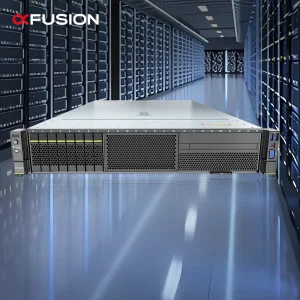
The V6 series (e.g., xFusion 2288H V6) transitions to 3rd Generation Intel® Xeon® Scalable Processors (Ice Lake). It represents a significant leap forward in density and performance:
For applications demanding next-generation performance, such as massive scale-up databases or real-time big data analysis, the FusionServer 5885H V7 series provides a robust 4U platform:
| Generation Platform | Processor Support | Memory Channels & Speed | PCIe Standard | Primary Use Cases |
|---|---|---|---|---|
| FusionServer V5 (e.g., 2288H V5) | 1st / 2nd Gen Intel Xeon Scalable | 6-Channel DDR4 (2933 MT/s) | PCIe Gen 3.0 | General Web Hosting, Standard Virtualization, Warm Storage |
| FusionServer V6 (e.g., 2288H V6) | 3rd Gen Intel Xeon Scalable (Ice Lake) | 8-Channel DDR4 (3200 MT/s) | PCIe Gen 4.0 | Hyperconverged Infrastructure (HCI), AI Inference, Cloud Virtualization |
| FusionServer V7 (e.g., 5885H V7) | 4th / 5th Gen Intel Xeon Scalable | 8-Channel DDR5 (4800+ MT/s) | PCIe Gen 5.0 | Enterprise Core Databases, LLM Fine-Tuning, Massive Virtualization |
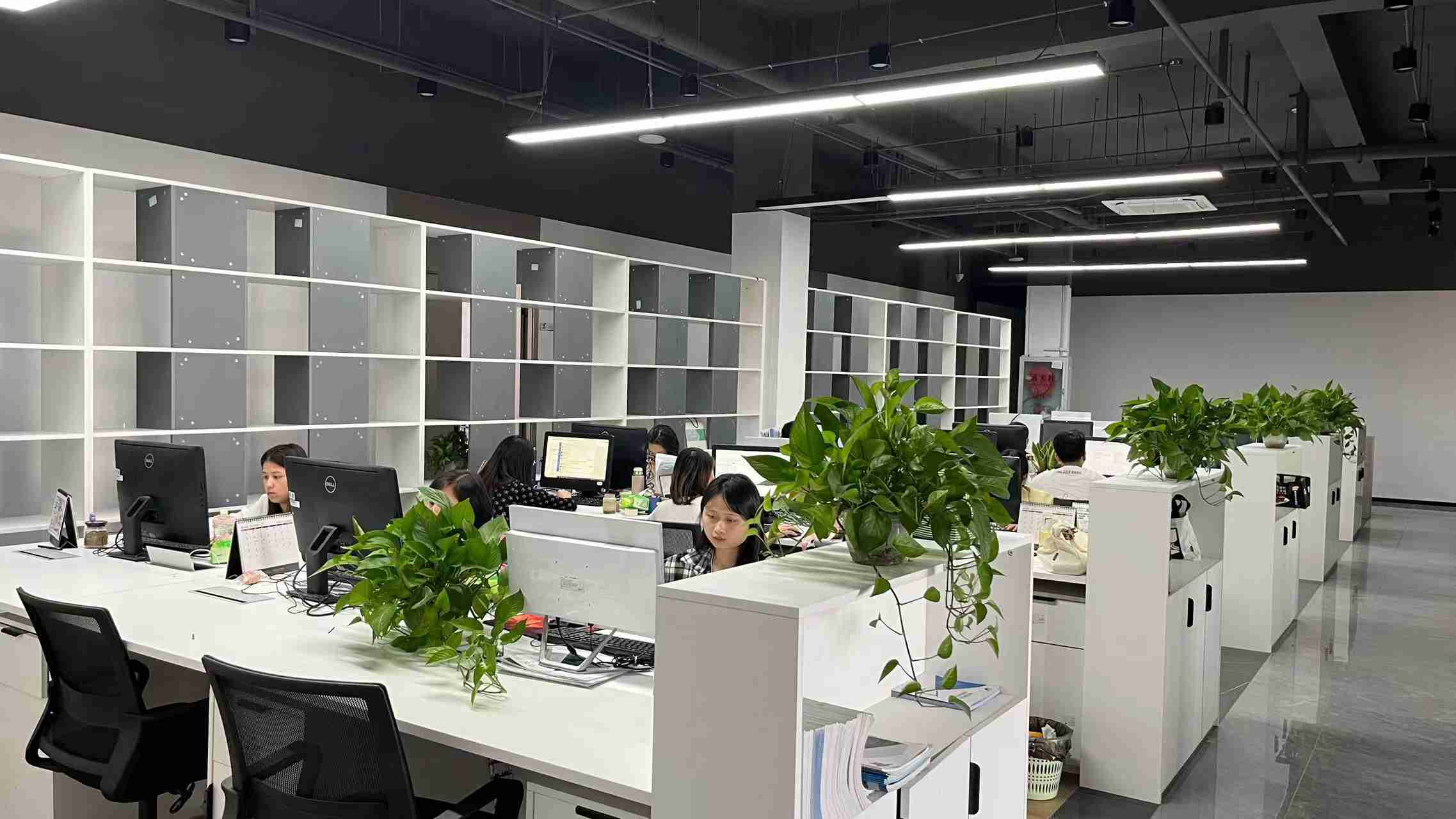
Enterprise procurement departments must navigate complex requirements when ordering computing infrastructure. When sourcing systems from xFusion, buyers typically focus on several critical operational parameters:
Procurement looks beyond the initial hardware purchase price. They demand energy-efficient components, highly reliable power supply units (such as 80 Plus Platinum or Titanium certifications), and smart cooling management to reduce operational expenditures (OPEX).
Organizations require flexible configurations for disk enclosures (e.g., LFF vs. SFF layouts), network interfaces (10GbE SFP+ to 100GbE QSFP28), and specialized PCIe layout schemes to fit diverse infrastructure environments.
Secure boot technologies, firmware encryption, and transparent hardware supply chains are crucial to prevent cyber threats and ensure component authenticity.
Computing demands vary widely by vertical market, requiring tailored hardware profiles to optimize performance:
For cloud providers managing high VM densities, hardware like the xFusion 2288H V6 or specialized hyperconverged nodes provide the necessary memory footprint and CPU core scaling. By combining compute and storage into a single node, organizations can dynamically allocate resources, reduce network latency, and simplify management.
Modern AI pipelines demand massive compute throughput. The emergence of open-source frameworks and models like DeepSeek requires optimized hardware architectures. DeepSeek cloud server deployments rely on dual-socket systems with high PCIe lane counts to support multi-GPU installations. This ensures that massive parallel calculations run efficiently without performance bottlenecks.
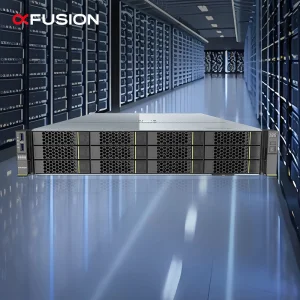
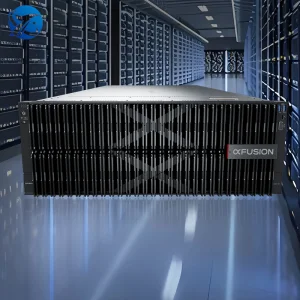
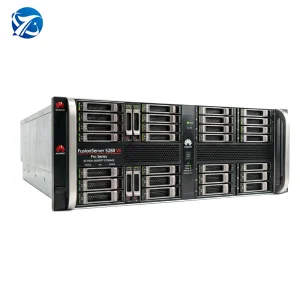
Enterprise data warehouses demand massive memory capacities and ultra-fast disk access. Utilizing storage-dense platforms like the FusionServer 5288 V6, businesses can build hot-tier data arrays using NVMe SSDs, while archiving historical logs on high-capacity SAS hard disks—all within a single system.
Our operational metrics reflect our commitment to engineering capability, strict quality control, and supply chain integrity.
Enterprise infrastructure cannot tolerate hardware failures. A single memory error or thermal shutdown can disrupt critical business operations. Aiserveon addresses this by implementing a comprehensive multi-stage quality control process across the manufacturing and configuration lifecycles:
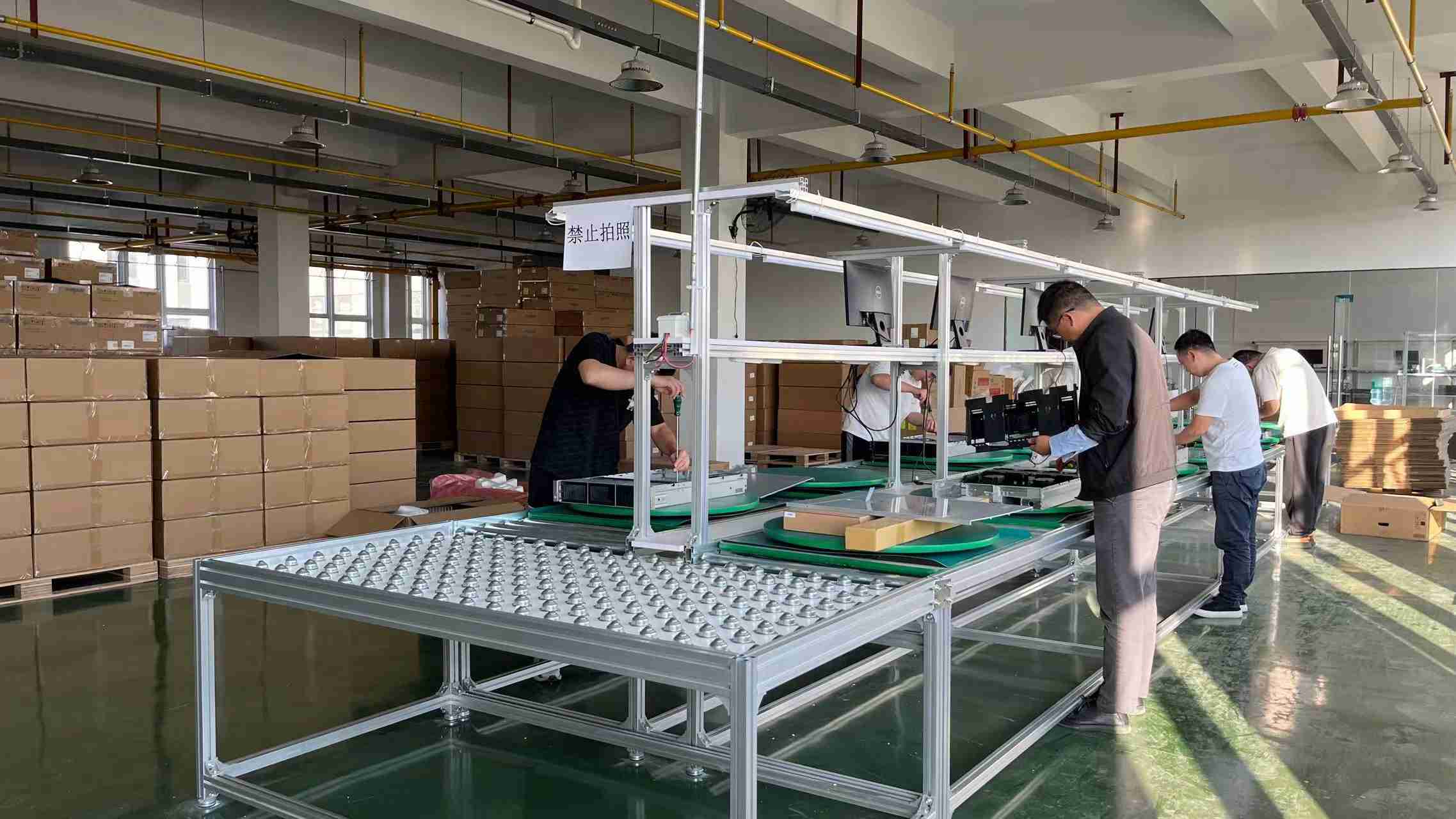
While standard configurations meet many general workloads, specialized business applications often require custom hardware optimization. Aiserveon's 85-person R&D engineering team offers end-to-end OEM and ODM customization services:
We modify PCIe riser configurations to support complex combinations of network interfaces, NVMe drives, and AI accelerator cards. We can also adjust the physical chassis design to meet specific depth and weight requirements for edge environments or non-standard server cabinets.
We configure custom BIOS parameters to optimize power-saving profiles or lock CPU states for low-latency financial trading platforms. We can also pre-load custom server images (such as specific Linux distributions or hypervisors) to simplify deployment.
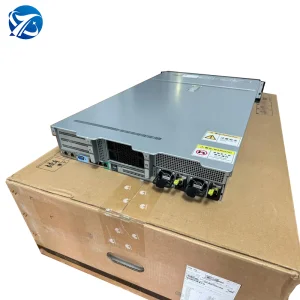
For independent software vendors (ISVs) and cloud providers, we offer custom chassis branding, custom bezel designs, and specialized, shock-absorbent packaging built to withstand international transport.
Shipping high-density server configurations worldwide involves navigating complex international standards and import regulations. Aiserveon ensures compliance by maintaining certifications like CE, FCC, RoHS, and UL for our custom configurations. We handle all necessary import/export documentation, providing transparent customs clearing to streamline delivery to destinations in North America, Europe, SE Asia, and the Middle East.
Additionally, we work closely with localized technical teams and hardware depots to provide prompt warranty support, replacement components (such as memory modules, power supplies, and storage drives), and remote diagnostics, helping to keep system downtime to an absolute minimum.
As CPU thermal design power (TDP) moves past 350W and GPU power requirements continue to climb, traditional air-cooling methods are reaching their physical limits. Aiserveon's R&D team is actively developing next-generation liquid-to-air loop configurations and immersion cooling designs. This will allow next-generation xFusion and custom GPU nodes to run continuously at peak performance, helping data centers reduce their Power Usage Effectiveness (PUE) and achieve their sustainability goals.
Explore our range of storage-optimized, high-density, and mission-critical multi-socket configurations built for global deployment.