Aiserveon
Aiserveon
Aiserveon
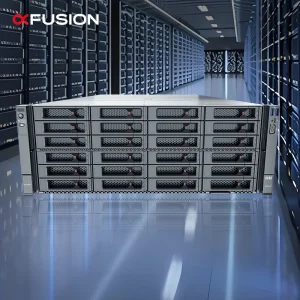
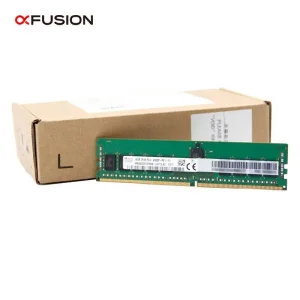
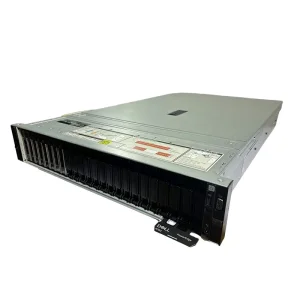
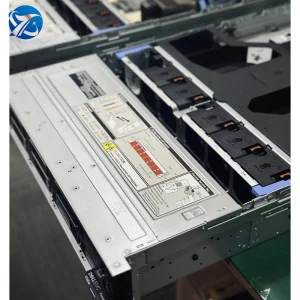
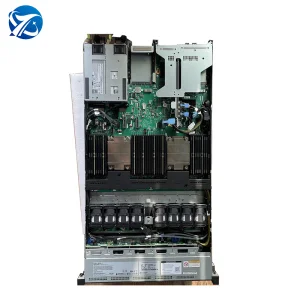
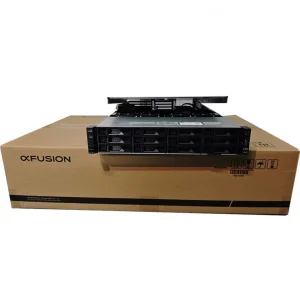
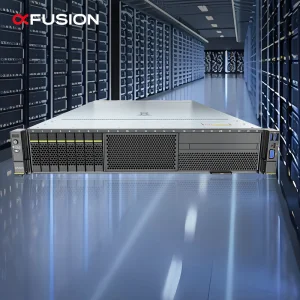
Aiserveon Intelligent Computing Tech Co., Ltd. is a globally recognized, specialized developer and OEM/ODM manufacturer focusing on high-performance AI GPU servers, cluster nodes, and large-scale data center infrastructure. Established in 2016, Aiserveon integrates hardware engineering with software optimization, providing mission-critical systems for AI training, massive data storage, and enterprise private clouds. Over the past 12 years of industry experience, we have focused on translating bleeding-edge compute innovations into production-ready platforms that satisfy the rigorous reliability demands of hyper-scalers, research institutes, and multinational enterprises.
With a robust research and development framework backed by 85 hardware and system engineers, Aiserveon continuously updates its architecture to align with modern computing trends. In the past year alone, the company introduced 120 new models and iterative upgrades, keeping pace with hardware components like multi-instance GPUs, high-speed network interfaces, and advanced PCIe topologies.
Our corporate competence lies in delivering deep vertical integration. While standard bare-bone servers offer general capabilities, modern computing applications like DeepSeek-based large language models (LLMs) and distributed database setups require customized hardware architectures. We bridge the gap between silicon designers and end-point deployments through our full-suite OEM/ODM capabilities.
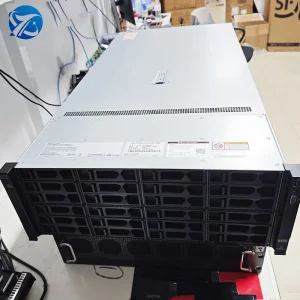
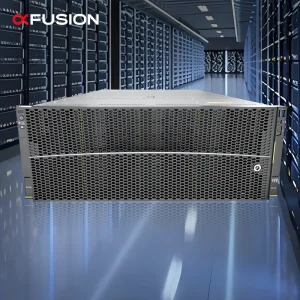
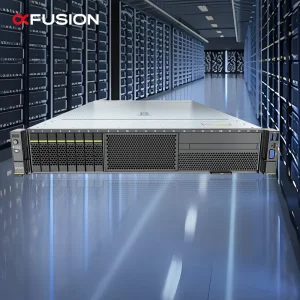
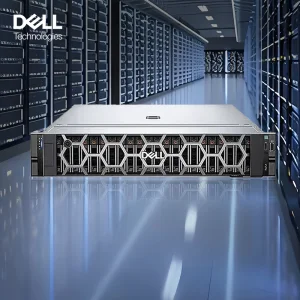
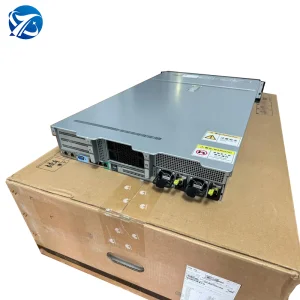
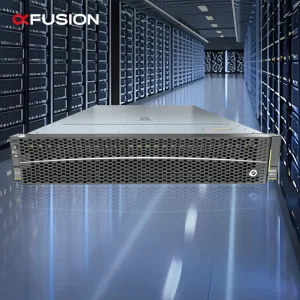
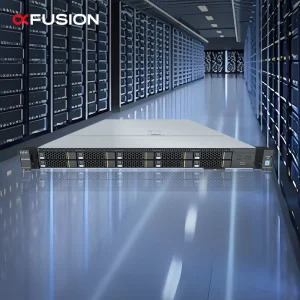
We design custom rack-mount chassis (1U, 2U, 4U, 8U configurations), optimising mechanical architecture for unique GPU slot placements, storage bay arrays (NVMe/SAS/SATA), and dynamic power routing backplanes.
We provide low-level firmware engineering services, developing proprietary BMC management profiles, custom fan tables for thermal environments, tailored BIOS boot logos, and specific PCIe speed negotiation configurations.
We build cooling mechanisms for dense node servers. This includes liquid-to-air cold plate configurations, loop optimization, and heatsink engineering to prevent thermal throttling on high-TDP processors.
Aiserveon delivers more than component assembly. We construct and validate hardware stacks from L10 (chassis, processor, memory, and acceleration components integrated with base management systems) to L11 (pre-configured server racks complete with high-speed SmartNIC switches, direct-to-chip piping, and host OS environments configured for immediate cloud execution).
Our enterprise computing systems are designed to address the specific performance bottlenecks, network latency parameters, and structural demands of primary computational sectors.
Optimised for distributed training networks. Our servers support multi-GPU topologies through high-bandwidth interconnects like NVLink and PCIe Gen 5.0 lanes, minimizing host-to-device communication lag during deep learning tasks.
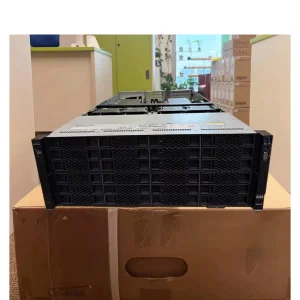
For high-throughput requirements like content delivery networks and media archiving. We build dense, 4U multi-drive rackmount systems utilizing hot-swappable U.2/U.3 NVMe SSD bays and redundant high-draw power supplies.
Tailored multi-node configurations optimized for virtualization layers. Provides independent power paths, dedicated BMC interfaces, and direct compute node scaling without rack disruption.
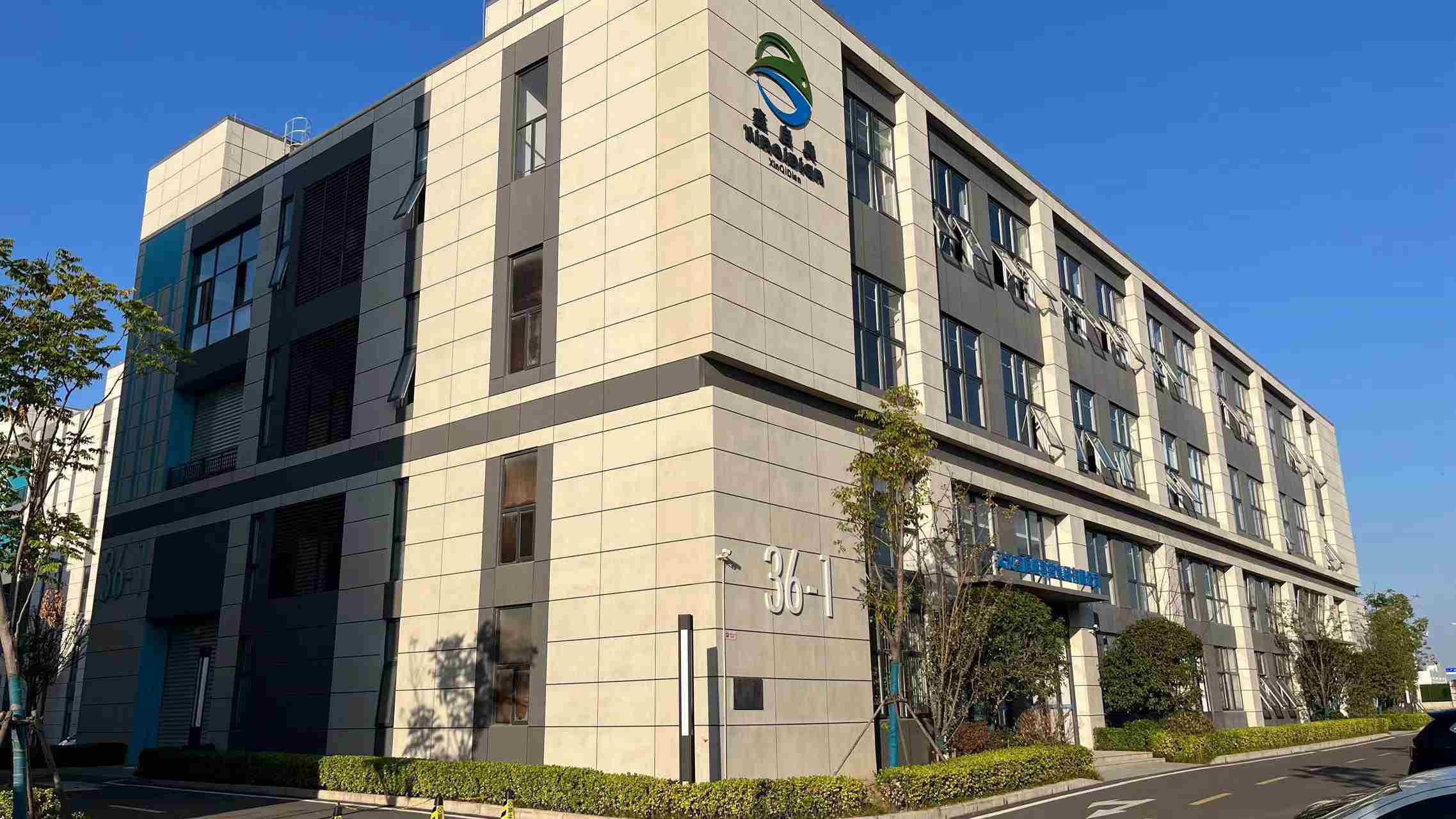
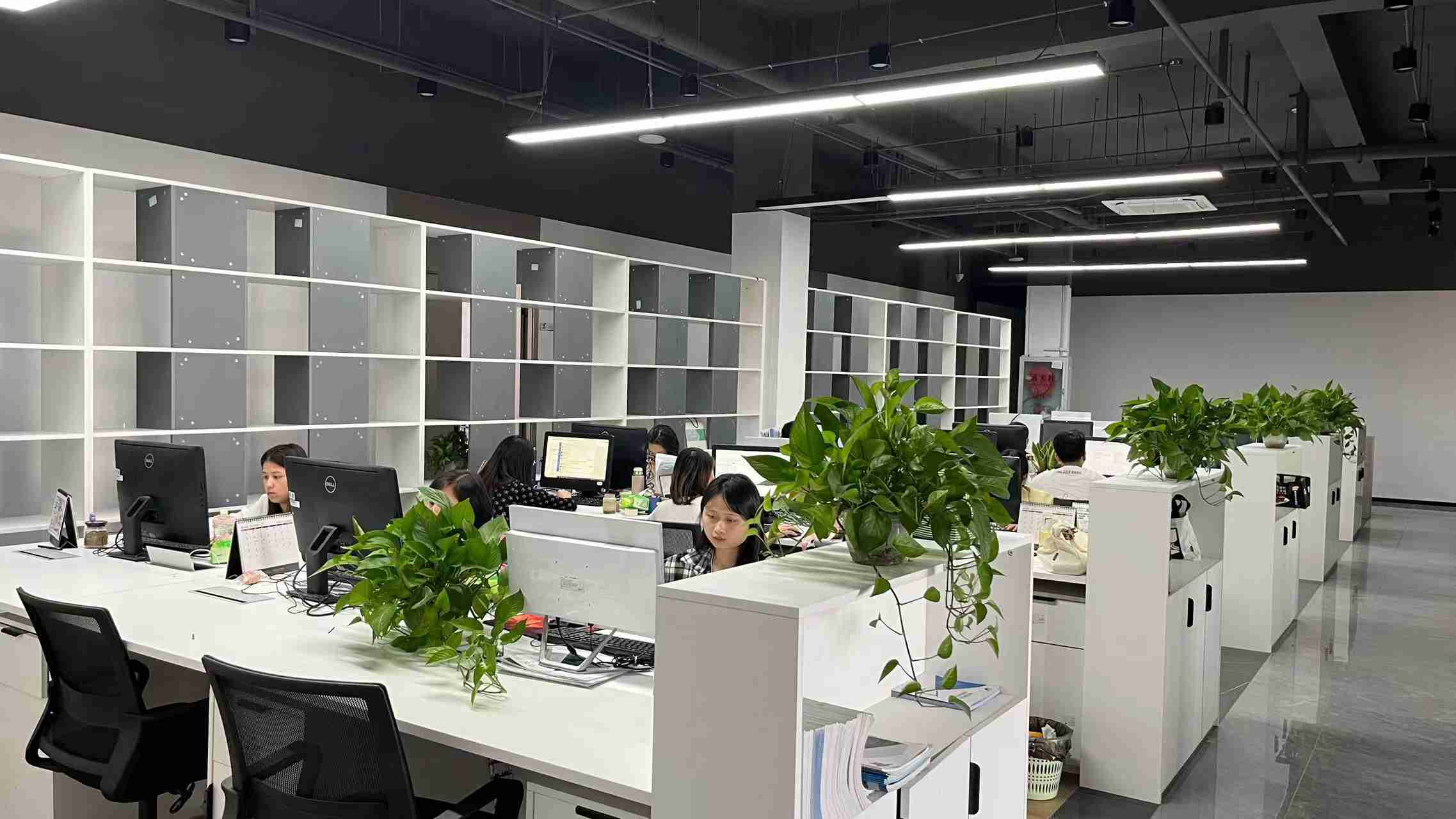
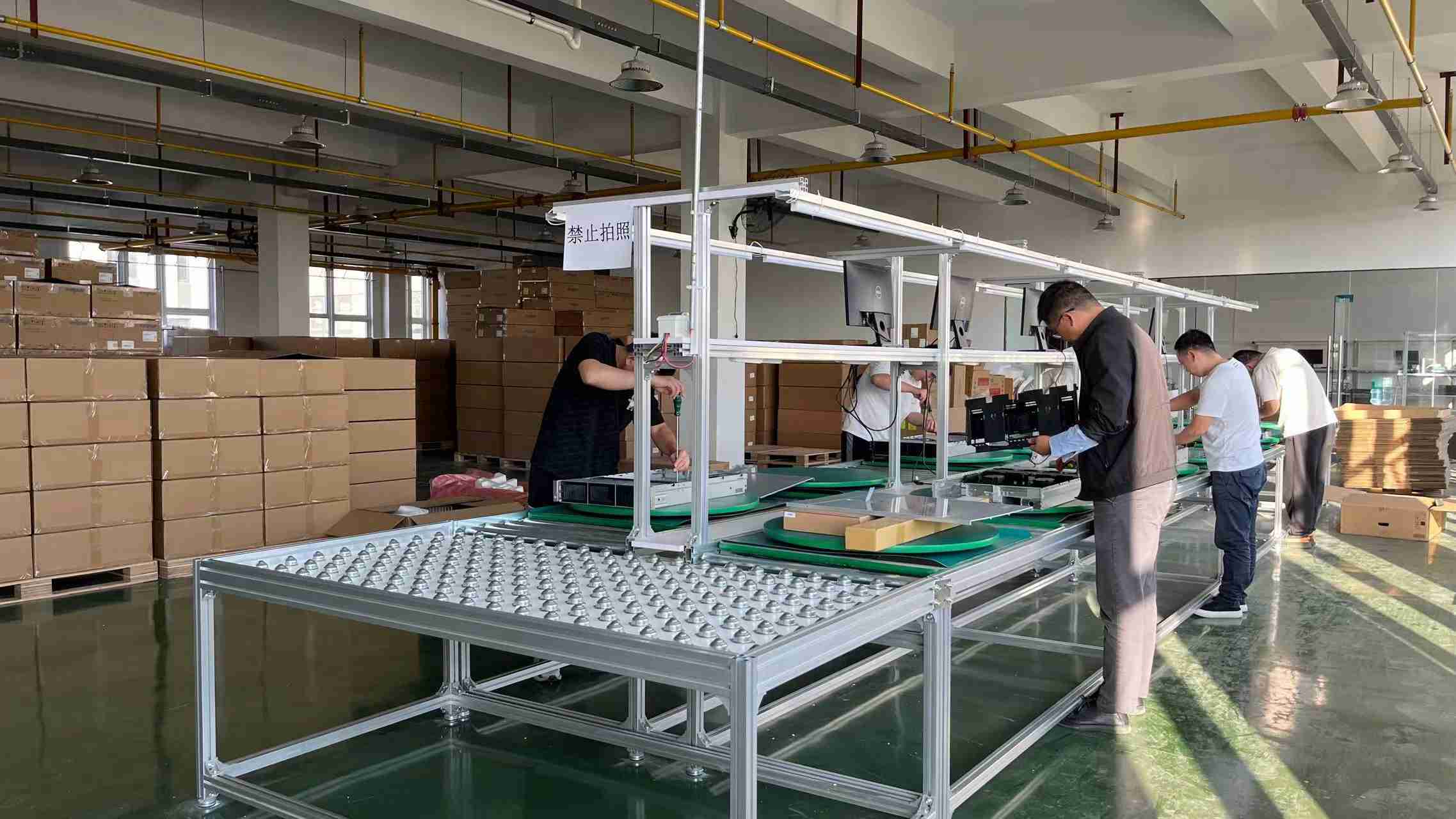
Our manufacturing facility operates under a Quality 4.0 framework. This integrates physical assembly steps with digital monitoring systems to maintain product consistency across high-volume production runs.
We enforce a multi-tier verification process: IQC (Incoming Quality Control) checking incoming silicon components; IPQC (In-Process Quality Control) monitoring mid-assembly work; FQC (Final Quality Control) validating integrated units; and OQC (Outgoing Quality Control) managing final packaging stability.
Every server undergo a series of post-assembly tests. Systems are subjected to full-load burn-in cycles in temperature-regulated environmental chambers, validating system stability and heat dissipation characteristics under peak stress.
Leveraging a network of over 850 verified suppliers, we secure long-term access to essential system elements. This diversified supplier base helps buffer against global logistics changes and ensures predictable manufacturing schedules.
| Inspection Stage | Methodologies Employed | Target Validation metrics |
|---|---|---|
| IQC (Incoming Quality Control) | AQL sampling inspections, electrical parameter matching checks, component visual verification. | Zero-defect component sorting before storage release. |
| IPQC (In-Process Quality Control) | Real-time station monitoring, ESD testing, automated torque calibration audits. | Assembly precision verification and functional block validation. |
| FQC (Final Quality Control) | Full-load system burn-in (24-72 hours), thermal-imaging audits, BIOS configuration verification. | Operational stability and cooling compliance check at peak utilization. |
| OQC (Outgoing Quality Control) | Drop-testing packages, sealing integrity reviews, shipment bill verification. | Physical package preservation during long-distance global logistics. |
As workloads shift toward distributed architectures and large-scale language models like DeepSeek, data centers face new challenges in heat management, power delivery, and system interconnect speeds. Aiserveon's development strategy is built to address these scaling demands.
We are transitioning our 4U and 8U GPU server designs toward Direct Liquid Cooling (DLC) architectures. Working with coolant distribution unit (CDU) partners, we supply configurations optimized for synthetic organic coolants and water-glycol mixtures, helping lower data center Power Usage Effectiveness (PUE).
Our engineering team is testing server motherboards that support PCIe Gen 6.0 standards and Compute Express Link (CXL 3.0). This technology increases system bandwidth and enables shared device-to-host memory spaces, reducing processing delays during model execution.
We are aligning our system layouts with OCP guidelines. This standardization simplifies components, reduces unnecessary plastic casing, and allows operators to replace individual power supplies or storage modules without tools.
Deploying computing infrastructure globally requires compliance with regional safety, electromagnetic, and environmental rules. Aiserveon coordinates testing and verification processes so that custom server chassis can be imported and installed without delays.
We manufacture systems to meet international certification requirements, including FCC Part 15 Class A for North America, CE-Mark for the European Economic Area, UL/CSA safety ratings for electrical systems, and RoHS/WEEE compliance for environmental standards.
To support secure deployments, we write and compile localized firmware packages. This includes support for multi-language system messages and the integration of security keys for platform integrity.
We work with local logistics partners to manage replacement part networks. If a component experiences issues, compatible power modules, cooling fans, and drive trays can be shipped quickly from regional storage centers.
Detailed information on our technical specifications, customization options, and global support workflows.