Aiserveon
Aiserveon
Aiserveon
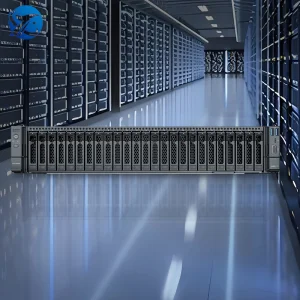
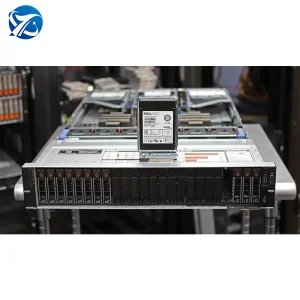
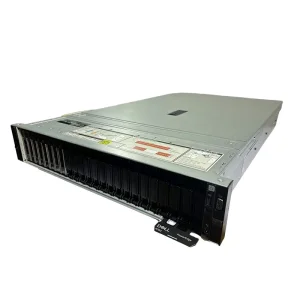
Direct export configurations featuring robust hardware platforms engineered for critical AI workloads, deep learning, and scalable cloud center storage.
An Industrial Analysis of Compliant Direct-to-Site Hardware Distribution for Modern AI Workloads
In the contemporary digital landscape, the demand for enterprise computing, high-density storage, and AI clusters has reached unprecedented heights. To keep pace with rapid developments in artificial intelligence—such as deep learning models, LLMs, and systems like DeepSeek—data center operators, integrators, and AI startups require hardware procurement methodologies that prioritize agility, regulatory alignment, and supply chain resilience. This has driven the evolution of **direct-to-site enterprise dropshipping services** for server equipment.
Historically, "dropshipping" was associated with lightweight consumer goods. Today, in the B2B tech sector, it has been redefined as a highly specialized, secure, and direct-to-site hardware fulfillment model. Through this process, Tier-1 hardware components and custom configurations—such as GPU servers, hyperconverged infrastructure, and high-density NAS systems—are shipped directly from manufacturing hubs to their final destination, bypassing intermediate storage. By integrating **CE certification** (Conformité Européenne), reliable global exporters like Aiserveon guarantee that complex compute architectures meet the strict safety, health, and environmental protection requirements of the European Economic Area (EEA) and other global markets.
"The modernization of enterprise tech delivery rests on three pillars: absolute regulatory compliance, verified component authenticity, and minimized transport friction. Eliminating intermediate handling through direct exporter-to-datacenter shipping mitigates transit risks for high-value silicon."
Enterprise servers operate in high-temperature, high-current environments and must run continuously under heavy compute loads. Without rigorous safety certifications, importing these systems into target markets introduces severe operational risks, legal challenges, and custom delays. The CE mark serves as a critical declaration of compliance. It signifies that the rack servers, motherboard assemblies, power supply units (PSUs), and cooling arrays satisfy the essential requirements of applicable European directives: the Low Voltage Directive (LVD) 2014/35/EU, the Electromagnetic Compatibility (EMC) Directive 2014/30/EU, and the RoHS directive limiting hazardous substances.
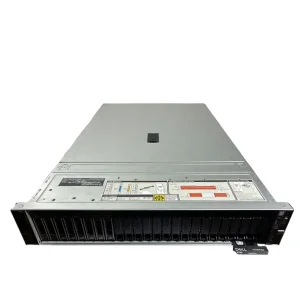
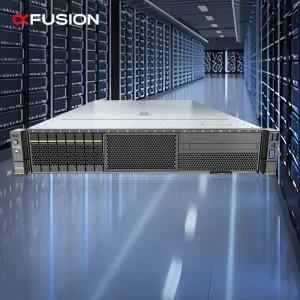
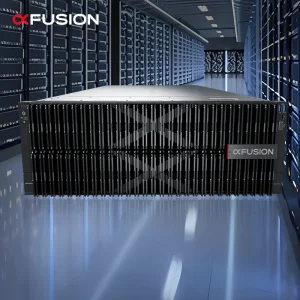
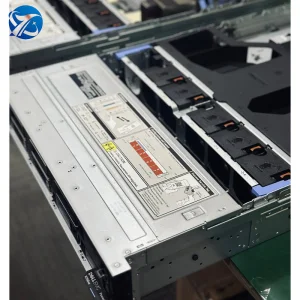
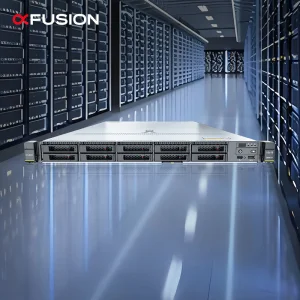
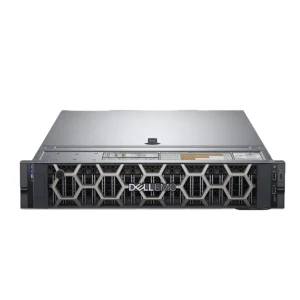
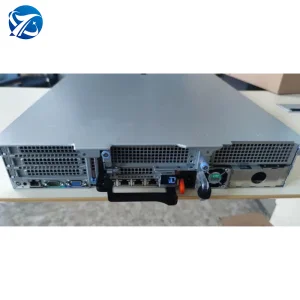
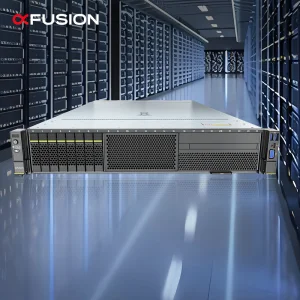
For high-performance systems from leading brands like xFusion and Dell PowerEdge, compliance goes beyond a simple label. It demands systematic design reviews, component tracing, and rigorous testing protocols. Aiserveon's structured testing process includes full-load burn-in testing, thermal stability validations, and detailed safety assessments, ensuring that every unit complies with international standards before it is packed for direct global dispatch.
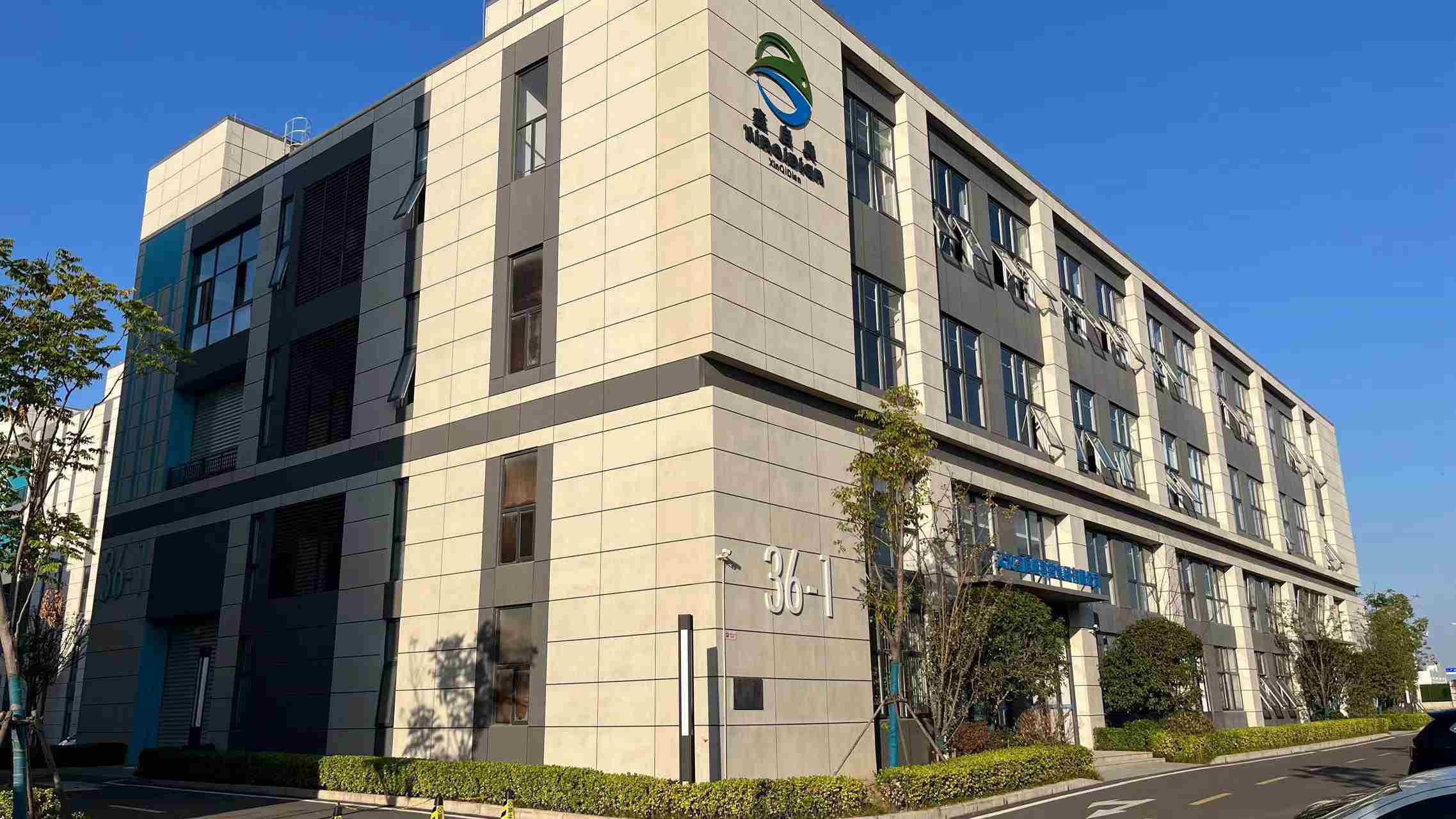
Aiserveon Intelligent Computing Tech Co., Ltd. has established a rigorous quality control framework to support international dropshipping and enterprise supply. Our team of 45 quality assurance specialists oversees a multi-stage testing process that spans the entire production cycle:
The traditional procurement cycle for enterprise hardware typically involves multiple intermediaries: regional distributors, local stockists, and value-added resellers, each adding margin, handling time, and transit risks. For scaling enterprises and regional data centers, this delay can stall development cycles. In response, the industry has turned to optimized direct-to-site shipping models, or enterprise dropshipping services.
Under this system, when an integrator or cloud services provider orders a cluster of rack servers, the manufacturer configures, tests, certifies, and packs the hardware, shipping it directly to the end data center. Benefits of this model include:
Modern server design requires a balanced approach to processing power, thermal management, and data transfer speeds. As hardware scales up to accommodate massive models like DeepSeek, standard chassis configurations must be adapted to handle high-wattage components. The technological development roadmaps of leading platforms focus on three key areas:
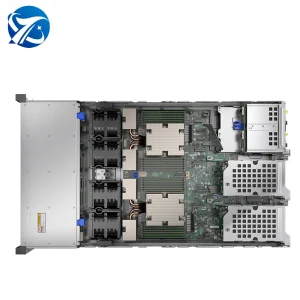
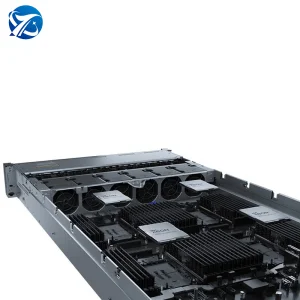
Utilizing high-RPM, redundant counter-rotating fans, dynamic cooling shrouds, and vapor-chamber heatsinks. These systems prevent thermal throttling in high-density 2U configurations operating under heavy continuous load.
Routing PCIe Gen 5 topologies to maximize throughput between primary processors and accelerator cards. This minimizes bottlenecks during deep learning training and high-speed data retrieval.
Configuring secure boot options and cryptographically verified BIOS signatures to prevent unauthorized access. This protects host systems before they are integrated into public cloud infrastructures.
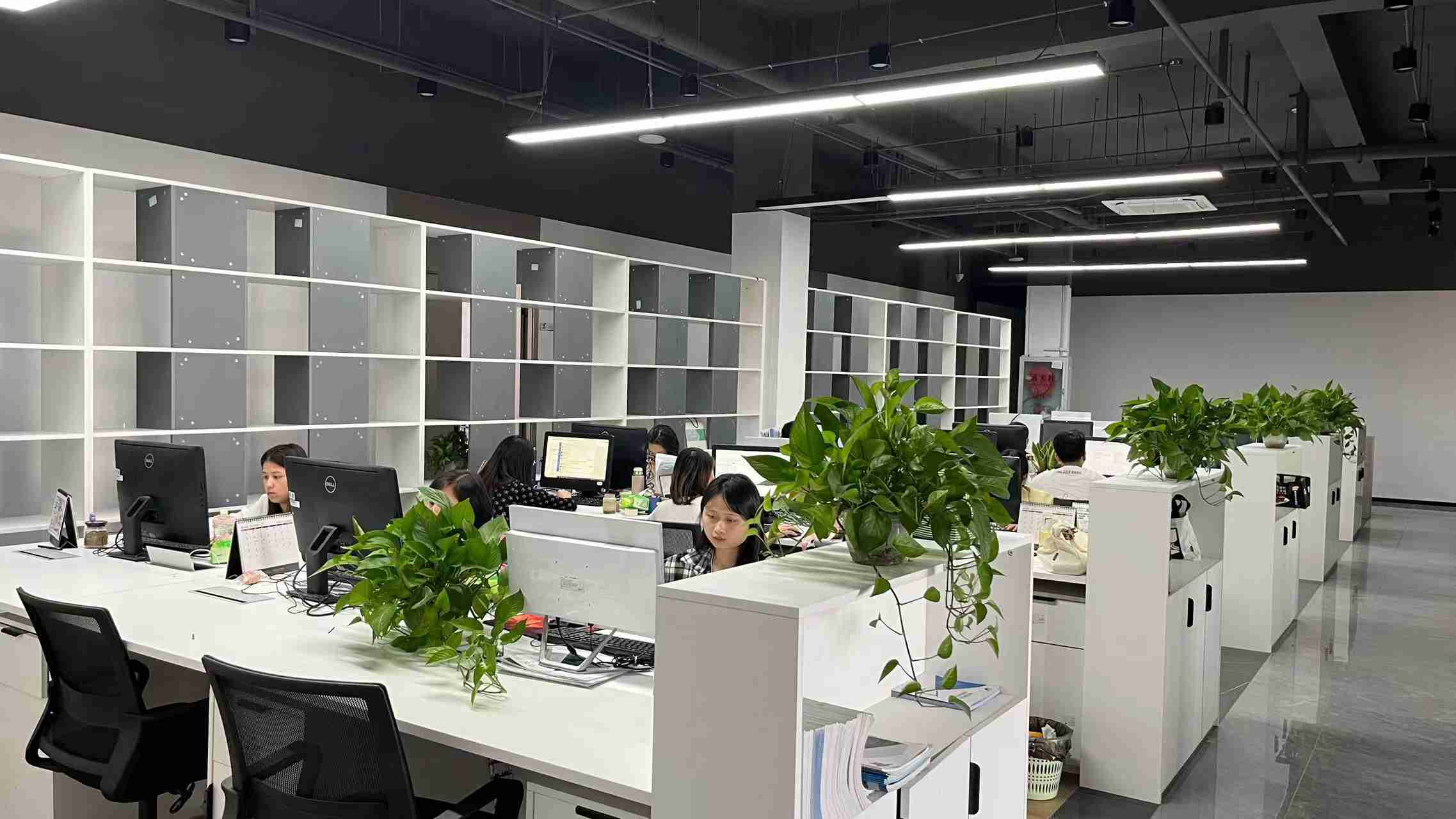
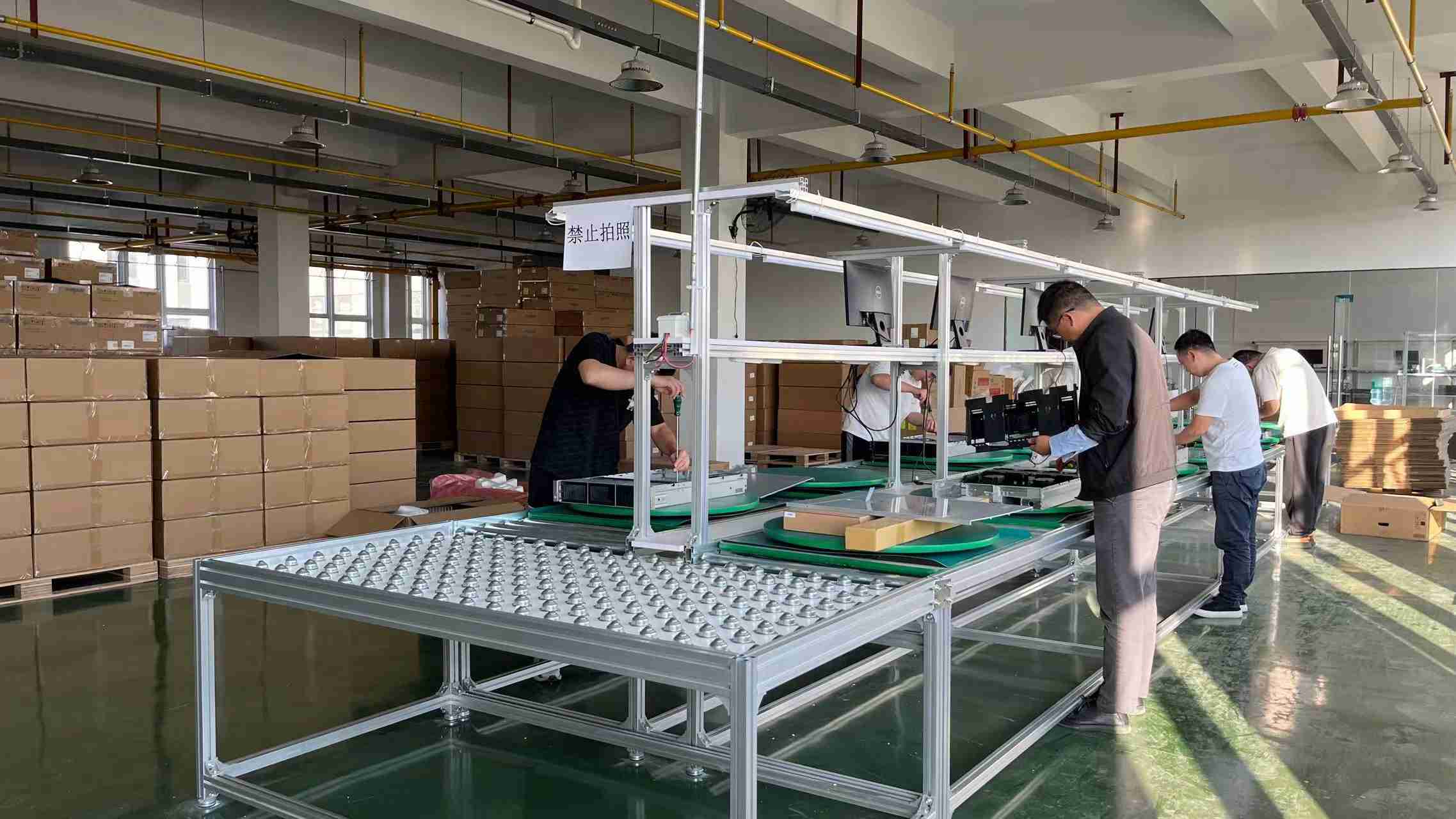
Logistical and operational requirements vary significantly across global markets. An experienced exporter must adapt to local regulations, import procedures, and infrastructure configurations to ensure smooth delivery:
Addressing the technical, regulatory, and logical concerns of global buyers
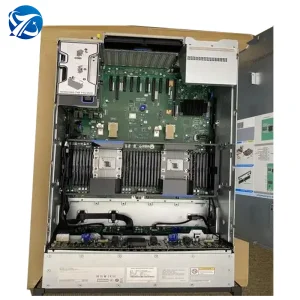
Our engineering team performs pre-configuration checks before assembly, verifying alignment between the processors, memory channels, storage controller cards, and target operating systems. Following assembly, systems undergo automated diagnostic sweeps to verify firmware levels and hardware resource visibility.
CE Certification indicates that the equipment complies with the European Union's health, safety, and environmental protection standards. It is a legal requirement for import, ensuring the hardware meets strict EMC and LVD guidelines to prevent interference and electrical hazards in operational data centers.
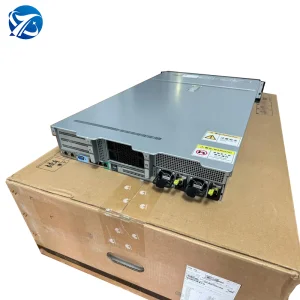
We use heavy-duty, double-walled corrugated outer packaging lined with customized high-density anti-static foam inserts. For air and sea freight, shipments are secured on reinforced wooden pallets and wrapped in moisture-barrier membranes to protect the sensitive electronic components from physical shocks and environmental factors.
Yes, Aiserveon offers full OEM/ODM services. This includes hardware customization, specific chassis branding, customized BIOS settings, pre-configured hypervisor platforms, and automated boot configurations to simplify deployment upon delivery.
Enterprise-grade server platforms and high-capacity storage arrays engineered for scalable deployments and heavy processing workloads.