Aiserveon
Aiserveon
Aiserveon
Industrial-grade server designs tailored for deep learning clusters, enterprise artificial intelligence inference, and high-performance databases in Hanoi and regional hubs.
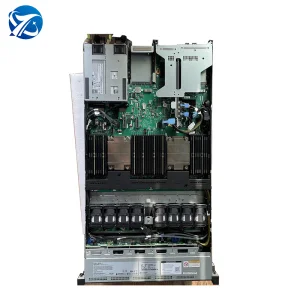
The global shift toward high-intensity artificial intelligence operations, generative modeling, and LLMs (such as DeepSeek-V3, DeepSeek-R1, and Llama 3) requires a massive transformation of regional data infrastructure. Hanoi, as the administrative and technological epicenter of Vietnam, is undergoing an unprecedented modernization. Driven by national strategies designed to position Vietnam as an AI and semiconductor hub in ASEAN, metropolitan Hanoi is attracting massive data center developments, research centers, and software companies requiring high-capacity server infrastructure.
At Aiserveon Intelligent Computing Tech Co., Ltd., we recognize that local businesses, telecom operators, and state-backed research facilities require direct access to high-performance AI computing hardware. From the Hoa Lac High-Tech Park to the digital infrastructure zones of Cau Giay and Hoang Mai, our advanced 2U and 4U GPU servers provide local enterprises, ISPs, and AI developers with local availability, customization capabilities, and technical support designed to bypass complex global import pipelines.
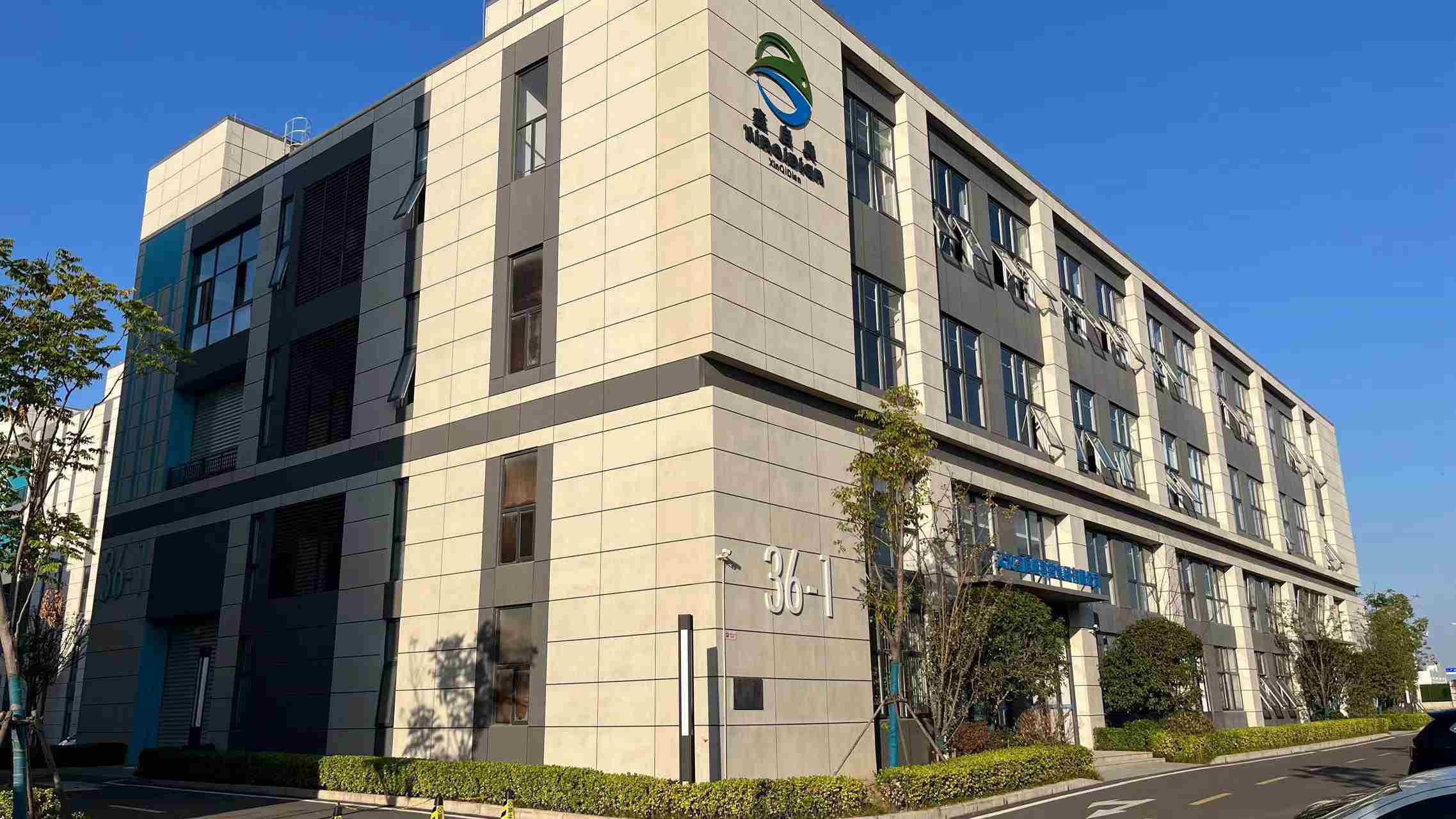
A globally integrated AI server and computing infrastructure manufacturer driving technical scalability, high-grade reliability, and complete lifecycle assurance.
Operating under the brand Aiserveon, Aiserveon Intelligent Computing Tech Co., Ltd. is a specialized AI hardware systems developer and custom manufacturer (OEM/ODM). Established in 2016, we have built a cohesive global supply chain that enables fast hardware procurement, architecture validation, and localized deployment. Our facility manages complex assembly processes, rigorous thermal debugging, and software firmware flashing, delivering state-of-the-art server solutions to enterprise computing setups.
| Operational Framework Parameter | Detailed Capacity Specs & Capabilities |
|---|---|
| Quality Inspection Protocols | Multi-stage IQC, IPQC, FQC, and OQC processes with complete serial-number traceability. |
| Testing Methodologies | AQL sampling, full-load high-temperature burn-in testing, memory stress runs, and thermal mapping. |
| Customization Capabilities | Bespoke chassis design, OEM branding, BIOS/BMC firmware tweaking, customized PCIe slot distribution. |
| Engineering Specialization | GPU server topology planning, high-power redundancy (80 Plus Titanium), and smart fan arrays. |
| New Platform Launches | 120 models and major iterative design packages introduced over the last 12 months. |
| Quality Control Staff | 45 dedicated QA technicians ensuring component validation and zero-defect packaging. |
How our servers meet the immense system demands of complex model architectures, neural network training, and low-latency API hosting.
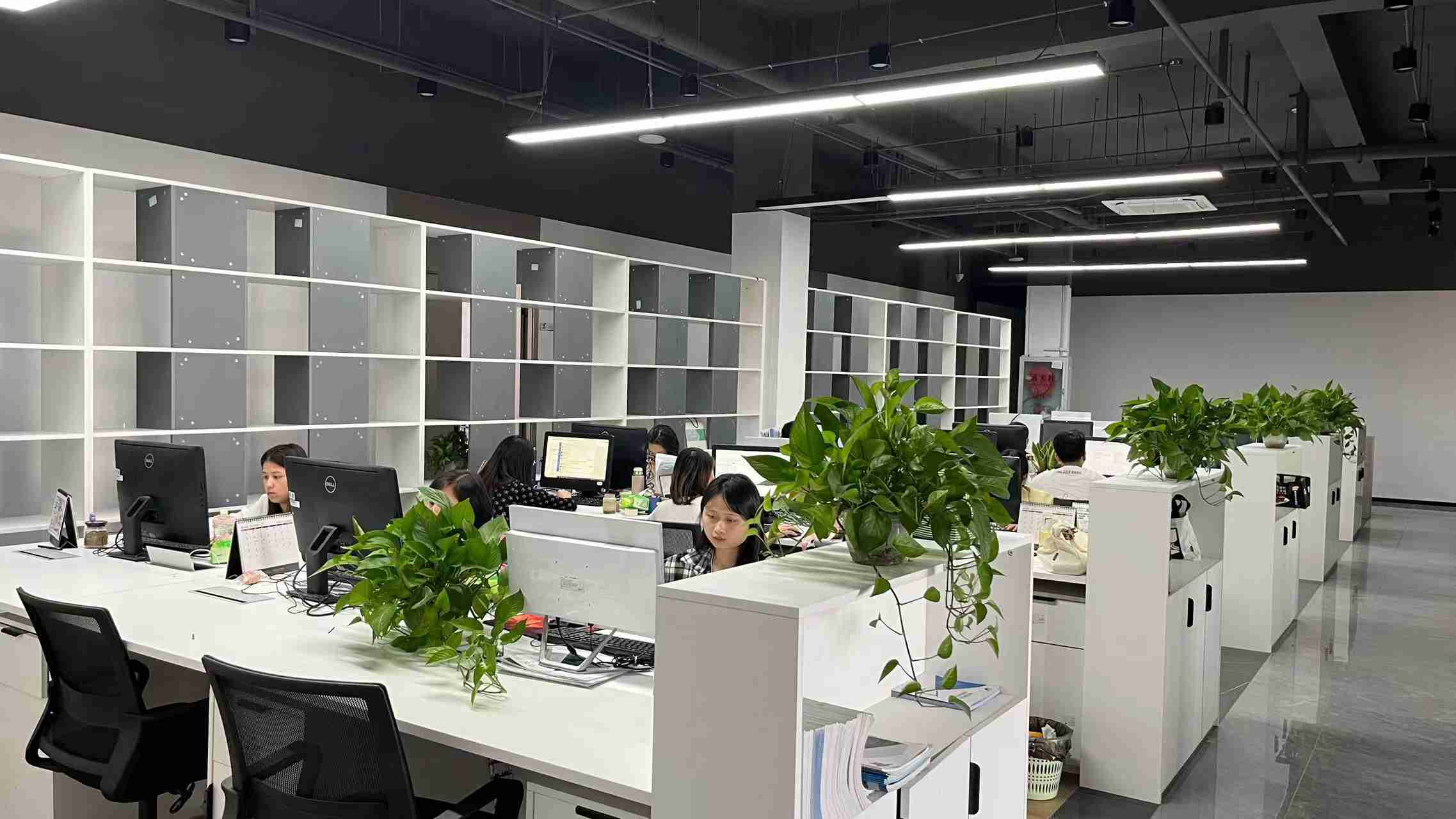
Modern Large Language Models (LLMs) like DeepSeek, GPT architectures, and Llama require petabytes of matrix operations per second. Standard x86 servers lack the interconnect bandwidth and memory architectures to prevent CPU bottlenecking. Aiserveon’s GPU-optimized rack solutions feature robust architectures designed specifically for dense GPU arrays.
By using direct CPU-to-GPU PCIe Gen 5 connections and supporting multi-GPU interconnects (such as NVLink and high-speed PCIe bridging), our servers achieve high-bandwidth GPU-to-GPU data transmission. This ensures that parameters for larger models (like 671B parameters) can be loaded and executed efficiently across split-cluster layers without waiting on standard PCI bus bottlenecks.
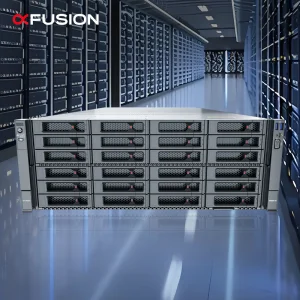
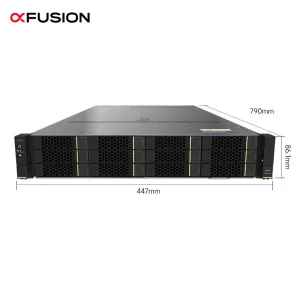
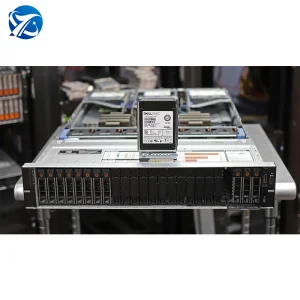
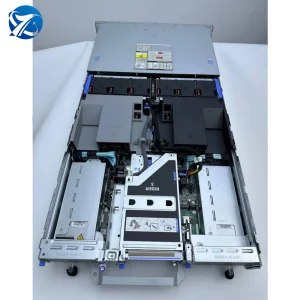
Additionally, our partnerships with leading component providers allow us to deliver xFusion and Dell systems configured with high-performance DDR5 ECC memory, high-density NVMe storage arrays, and low-latency dual-port Mellanox InfiniBand or 100/200/400G Ethernet NICs, enabling rapid data synchronization across scale-out nodes.
Aiserveon servers undergo specialized BIOS and firmware pre-tuning specifically designed to handle high-concurrency FP8/FP16 mixed-precision workloads. When deploying models like DeepSeek-R1 locally in Hanoi, our pre-optimized setups prevent thrashing, maximize NVMe-to-GPU cache speeds, and decrease prompt processing latency by up to 22% compared to generic off-the-shelf setups.
Tailoring world-class AI compute architecture to run efficiently under local conditions while complying with Vietnam's high-density infrastructure regulations.
Northern Vietnam experiences high temperatures and humidity during summer. Our AI servers feature optimized dynamic speed-curve fan controllers, intelligent air duct baffles, and structural thermal partitions that isolate GPU heat zones, ensuring continuous peak performance at lower PUE limits.
We supply pre-validated systems that easily comply with Vietnam's Law on Cybersecurity (Law No. 24/2018/QH14) and local cloud hosting directives. This makes our hardware ideal for banking, telecom, and government-managed AI installations.
Enjoy localized parts replacement, hardware configuration upgrades, and direct engineer support in Hanoi. Our rapid RMA path reduces server downtime, bypassing the international logistics delays of typical foreign OEMs.
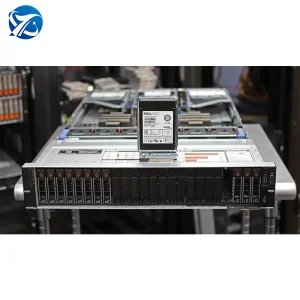
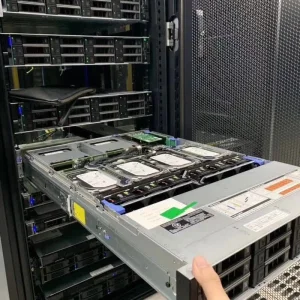
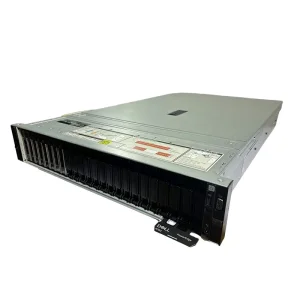
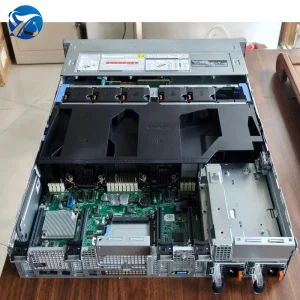
Discover our highly configurable xFusion and Dell PowerEdge multi-GPU computing platforms designed for machine learning clusters and low-latency database environments.
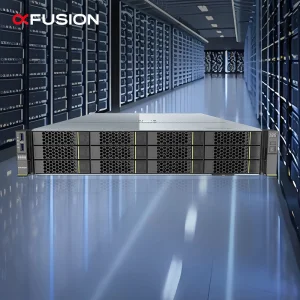
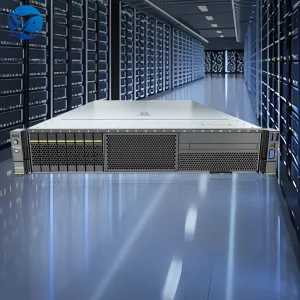
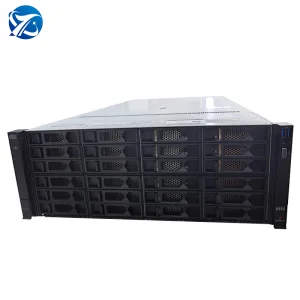
Inside the production protocols that make Aiserveon a trusted OEM/ODM partner for mission-critical hardware deployments.
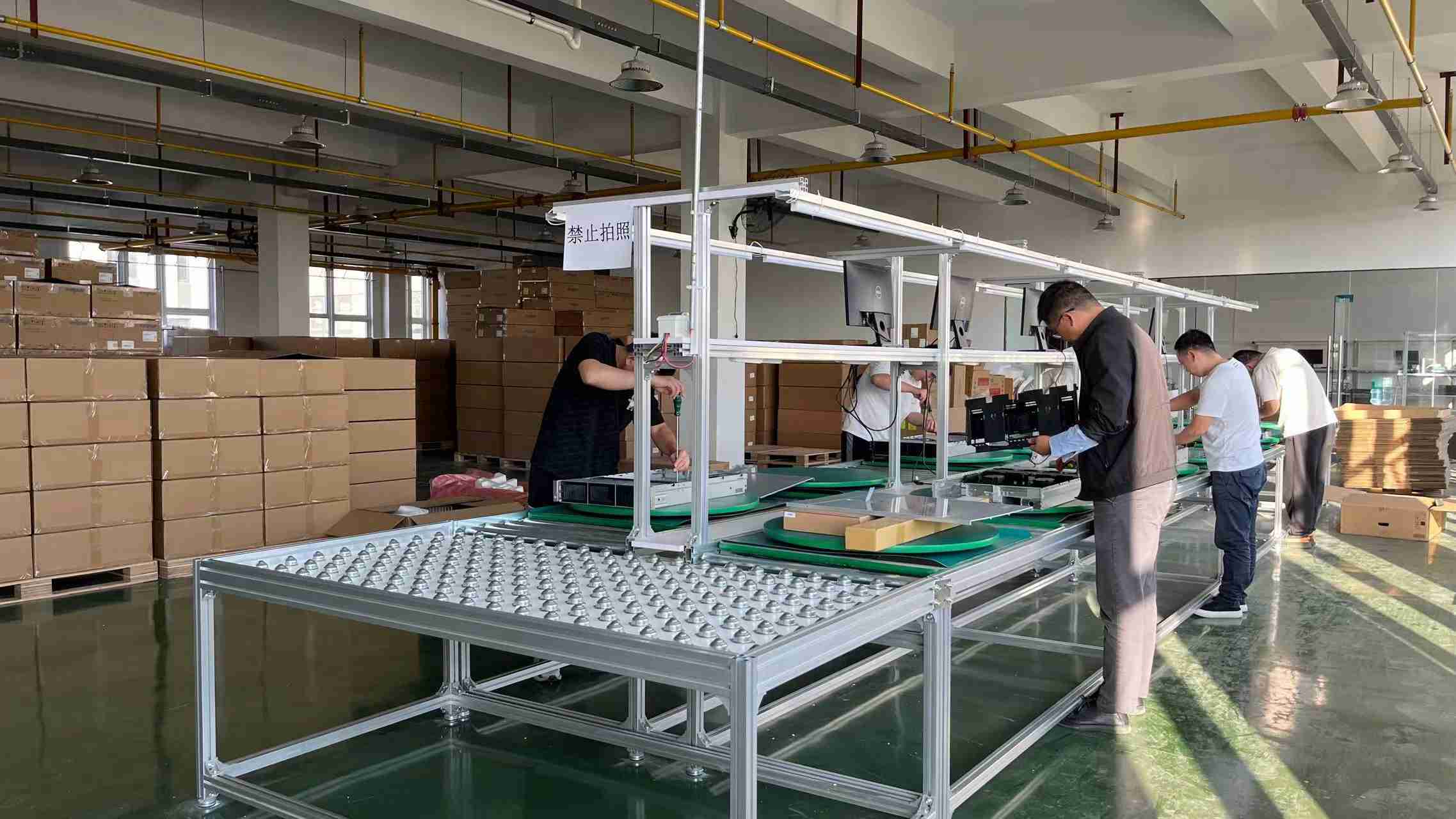
Because AI servers run at full computational load for weeks or months during model training, even tiny hardware defects can cause system-wide failures. To ensure high reliability, Aiserveon maintains a strict quality control workflow that begins the moment raw components arrive and continues through to final shipment verification.
Our quality assurance protocol includes four distinct testing checkpoints, all managed by our 45-person QC engineering team. Using automated diagnostics tools, every assembled server undergoes memory sweeps, PCIe bandwidth testing, GPU core stability checks, and power cycle verification.
This systematic verification helps eliminate early component failures (such as faulty solder contacts, micro-fractures in silicon boards, and memory controller bugs) before shipping, guaranteeing that every server arrives in Hanoi ready to deploy.
Every motherboard, high-current power supply unit, CPU socket, and high-frequency RAM module is tested to meet strict resistance and performance tolerances before entering assembly.
During chassis population and cabling, optical scanners verify alignment, cable routing, and proper contact pressure on CPU and GPU cooler brackets.
Analyzing structural requirements, PUE optimization strategies, and hardware architectures for the next generation of artificial intelligence.
In modern inference applications, calculating neural network nodes at FP16 precision creates high memory bandwidth demands. Modern architectures are shifting to FP8 precision, which cuts memory traffic in half. This change allows developers to run larger models on fewer GPUs.
However, running FP8 requires dedicated tensor core support and updated CPU execution routines. Aiserveon's latest server configurations—such as the Intel Xeon Scalable and AMD EPYC-based systems—are pre-tuned at the BIOS level to support this lower-precision processing, allowing teams in Hanoi to maximize their hardware investment.
As single-GPU power requirements approach 700W to 1000W, traditional air cooling is reaching its physical limits in dense multi-GPU server setups. For Hanoi-based data centers aiming to keep PUE below 1.4, cooling costs are a major operational challenge.
Aiserveon is developing hybrid liquid cooling options, including closed-loop liquid-to-air cooling systems and quick-release liquid manifolds. These setups allow facilities to use liquid cooling without needing a full rebuild of their datacenter's cooling loop infrastructure.
Training large models requires saving model weights periodically (checkpointing) to recover from system crashes. When working with models that are hundreds of gigabytes in size, saving these files can cause network congestion.
To address this, our systems feature PCIe Gen 5 NVMe arrays with direct memory access (RDMA over Converged Ethernet - RoCEv2), bypassing the CPU to write directly to network storage. This approach minimizes training disruptions and keeps GPU utilization close to 100%.
Answers to common questions about deploying, configuring, and sourcing AI servers in Hanoi and Southeast Asia.