Aiserveon
Aiserveon
Aiserveon
Enterprise-grade computing solutions configured to handle tropical climate operation parameters, offering high availability and optimized energy efficiencies.
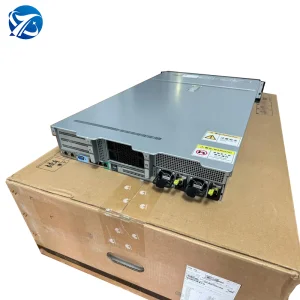
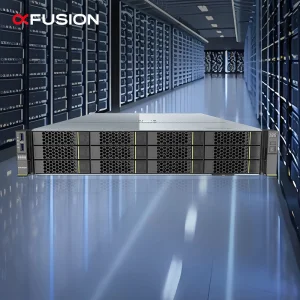
In-depth insights into West Africa's leading technology revolution and the hardware infrastructure supporting its exponential growth.
Over the past five years, Nigeria has transitioned from relying heavily on foreign cloud nodes to establishing massive, hyper-scale local data centers. Led by Lagos State (specifically in areas like Victoria Island and Lekki), companies like MainOne, Rack Centre, and Africa Data Centres are investing hundreds of millions of dollars to keep African data on African soil. This shift is heavily driven by the National Digital Economy Policy and Strategy (NDEPS), aimed at securing digital sovereignty, improving network latency, and driving down local operational costs.
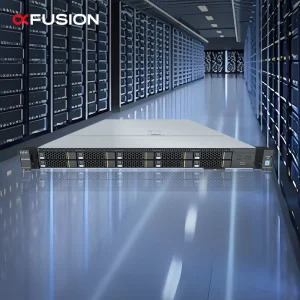
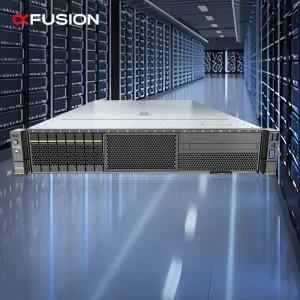
To support this high-performance computing demand, data centers require enterprise-grade rack servers that offer supreme thermal management. This is where xFusion Rack Servers prove to be highly advantageous. Built on resilient, modular architectures, these systems allow telecom companies, fintechs, and governmental organizations to build highly redundant private clouds.
Generic IT procurement often overlooks localized variables such as power voltage fluctuations, ambient air salinity in coastal Lagos, and dust accumulation. Our whitepaper addresses these engineering requirements specifically, matching xFusion's advanced technical specifications with the operational reality of West African deployment zones. By analyzing exact thermal dissipation features and energy management options, we help IT managers avoid premature hardware degradation and secure long-term investment protection.
Lagos's thriving fintech ecosystem, hosting unicorns and payment gateways, processes millions of API transactions daily. These workloads require sub-millisecond database response times, making low-latency xFusion NVMe architectures indispensable.
With MTN and Airtel driving 5G deployment across major cities, telecom operators utilize 2U rack servers for edge computation, packet routing, and network virtualization, requiring rugged chassis designs.
State and federal departments are upgrading legacy database storage systems. Compliant, highly secure enterprise storage units with TPM modules protect citizen registry records and critical utility systems.
Your authoritative partner in global high-performance GPU server distribution, high-density cluster configuration, and custom OEM/ODM builds.
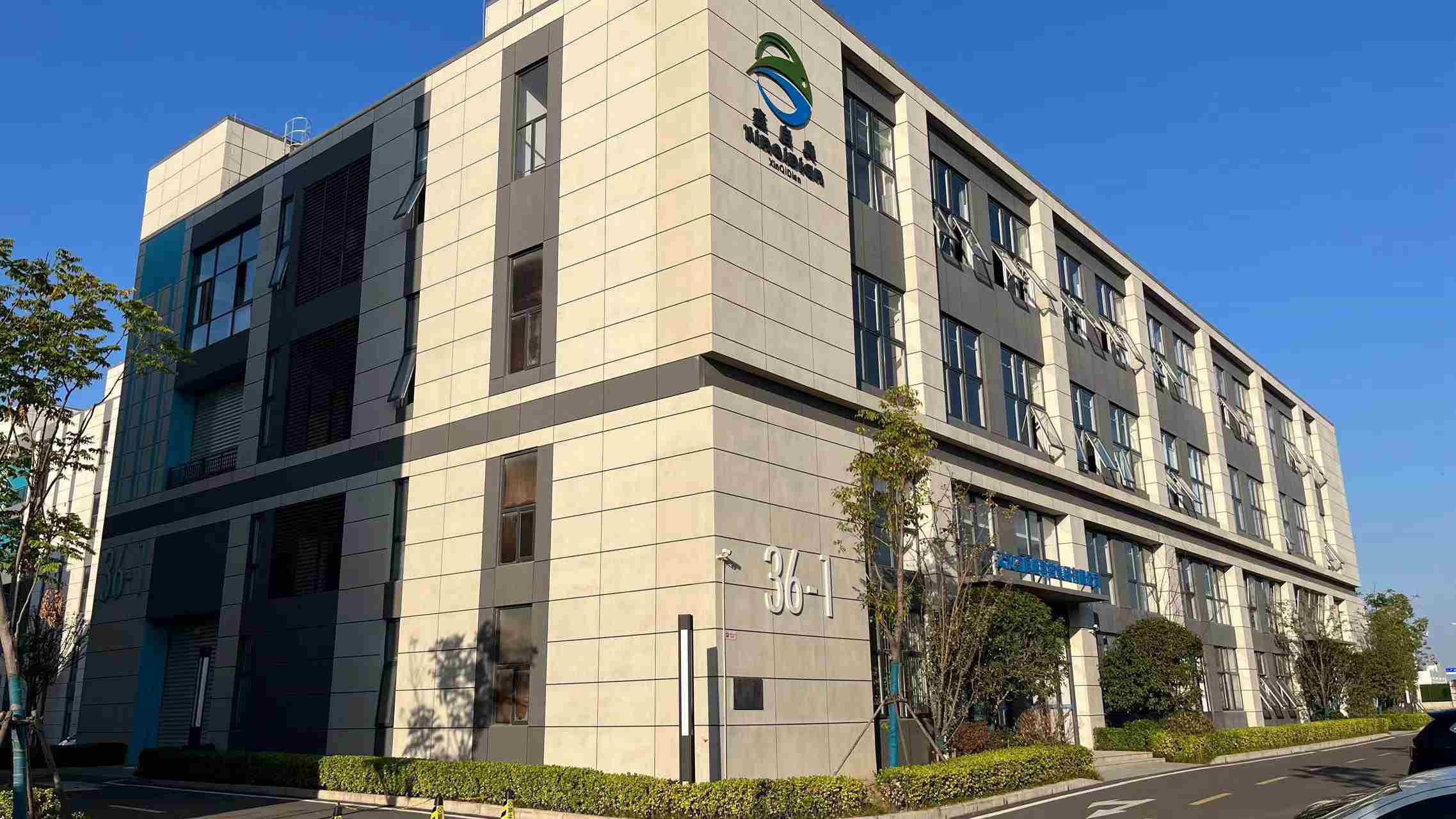
Aiserveon Intelligent Computing Tech Co., Ltd. is a leading professional AI server manufacturer and intelligent computing infrastructure designer. Since our founding in 2016, we have focused on exporting high-performance computing architectures, customized rack servers, GPU clusters, and reliable data center solutions to demanding markets globally.
Operating out of state-of-the-art facilities, we bridge the gap between heavy component manufacturing in Shenzhen's technology corridor and local enterprise clients in Nigeria. Over 12 years of hardware deployment experience allows our R&D team to understand the physical and programmatic adaptations required for complex deployments. With a dedicated QA team of 45 engineers, we certify that every single unit shipped to the West African region conforms to strict thermal stability and stress validation benchmarks.
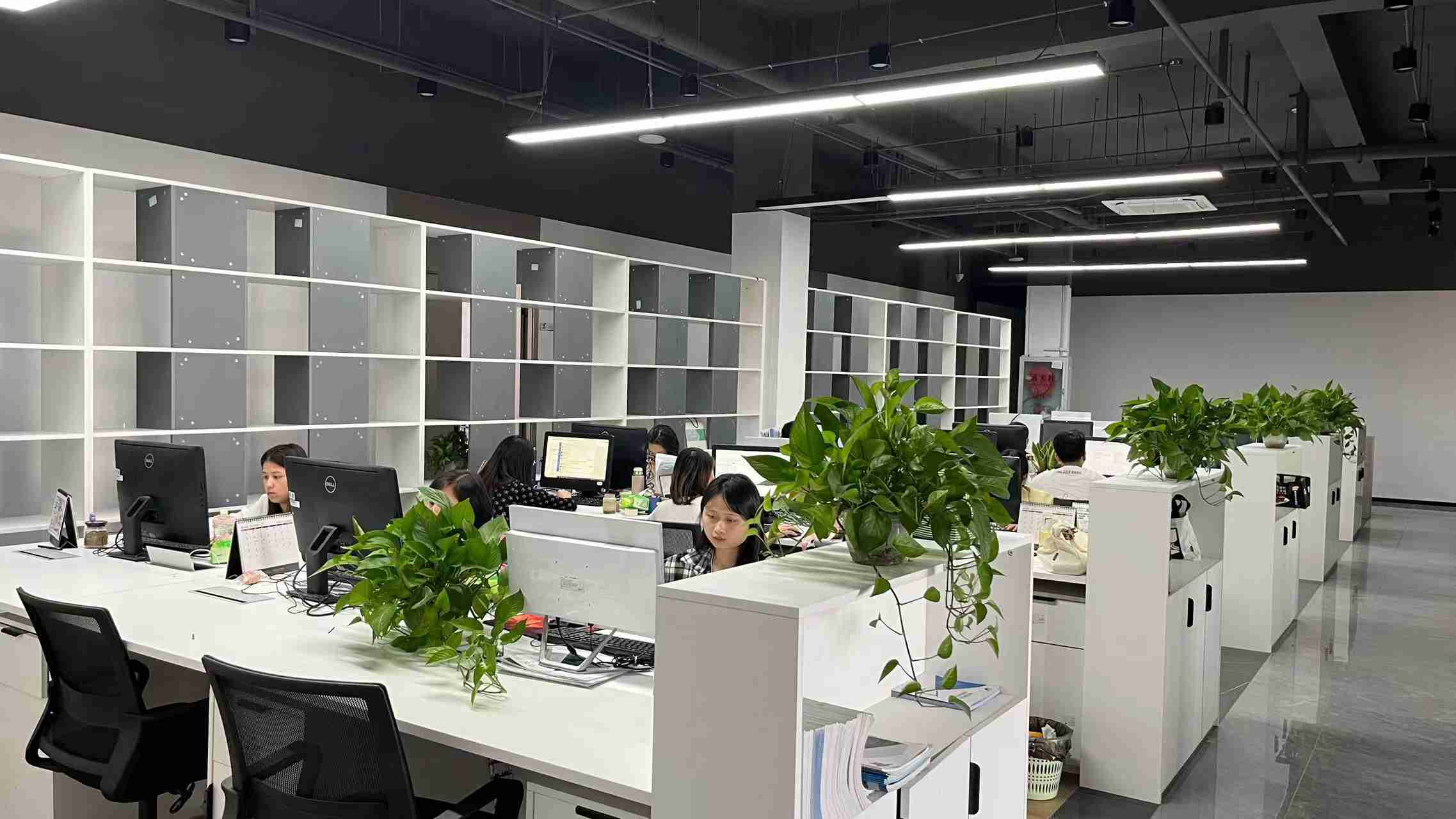
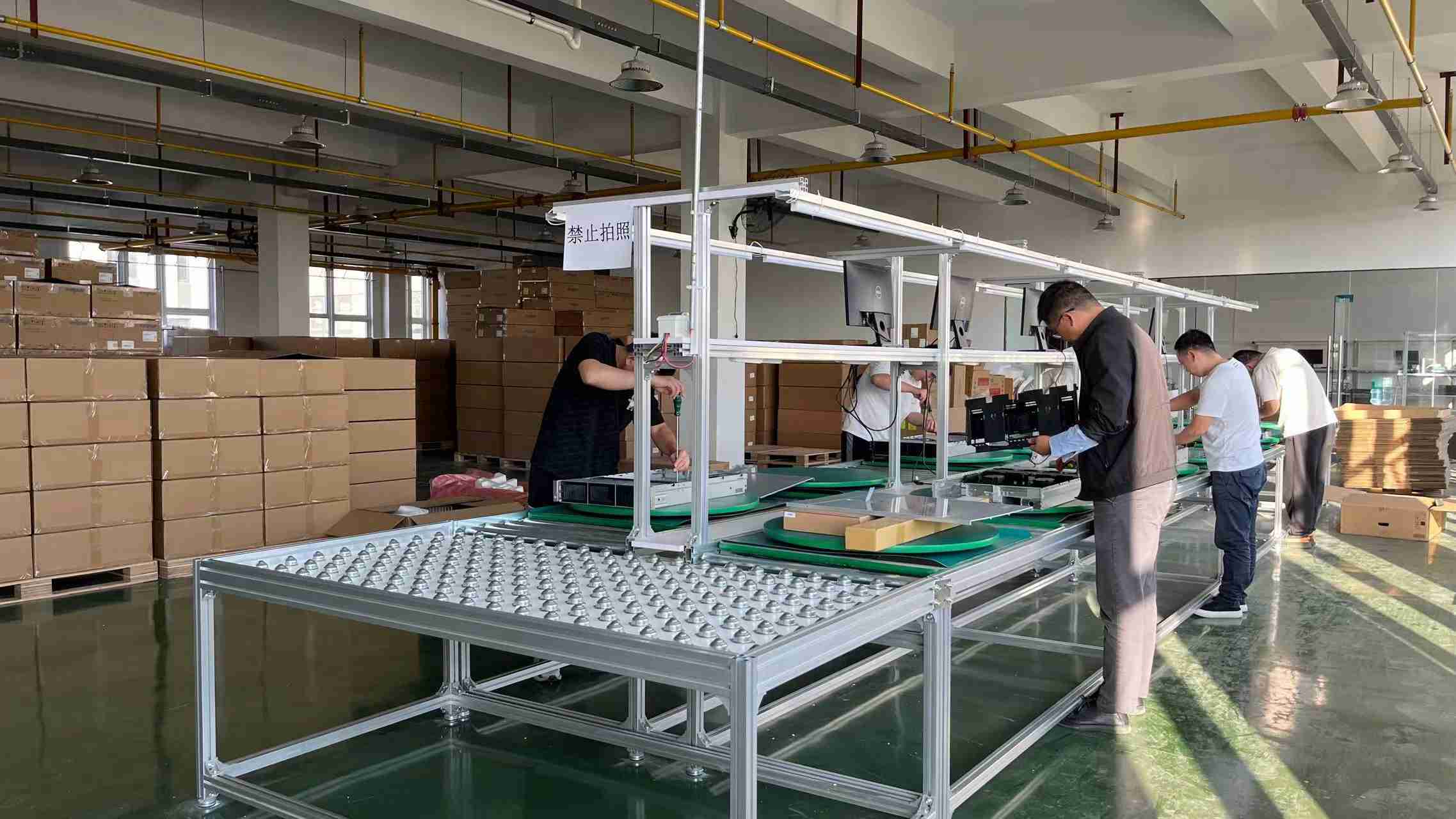
From customizable bios/firmware parameters to heavy-duty industrial chassis configurations, we assist Nigerian integrators in scaling their brand recognition securely.
Each component undergoes individual serial identification. FQC burn-in procedures guarantee that the server works optimally from day one.
Seamlessly bridging the electronics assembly capital with West Africa's primary economic engine.
By partner-sourcing through Aiserveon, clients bypass intermediary resellers, gaining direct access to the highly optimized electronic component ecosystem of Southern China. This provides a three-fold advantage: immediate chip allocation (even during global supply bottlenecks), direct custom configuration access, and bulk cost reductions. This ensures Nigerian cloud computing frameworks receive state-of-the-art architectures without bloated procurement markups.
Additionally, we custom-fit power supply units (PSUs) on our assembly line to meet Nigerian grid realities. Local power delivery can suffer from line noise and voltage drops; we configure dual-redundant hot-swappable 1500W and 900W power supplies equipped with high tolerance capacitors. This mitigates hardware damage caused when data centers toggle between utility lines and industrial standby diesel generators.
Importing complex computer hardware into Lagos ports requires strict compliance with standard operating frameworks. All our equipment undergoes testing to conform to the Standard Organization of Nigeria Conformity Assessment Program (SONCAP) guidelines. We prepare clean, compliant certification packages to prevent logistics delays at Apapa or Tin Can Island ports.
To secure critical service level agreements (SLAs), Aiserveon supports local engineering partners by supplying dedicated spare parts kits (active cooling fans, hot-swap drive backplanes, additional ECC memory modules, and modular power supplies) alongside core server shipments. This ensures hardware replacement timeframes are kept within hours, maintaining critical operational continuity for banking nodes and telecom applications.
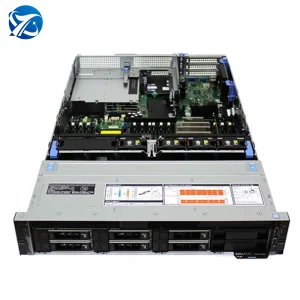
Choose from our verified lineup of high-density 1U & 2U computing hardware, offering multi-core processing power and customizable array setups.
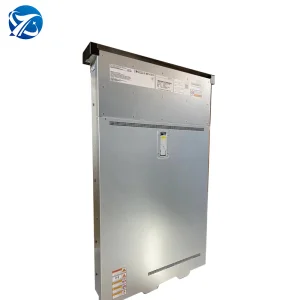
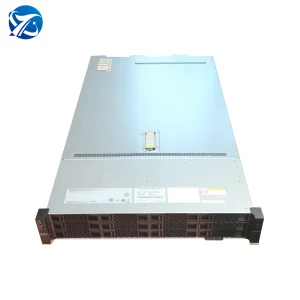
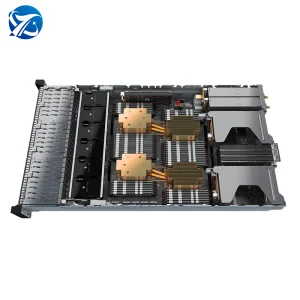
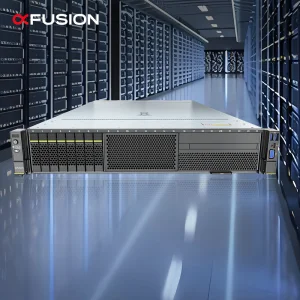
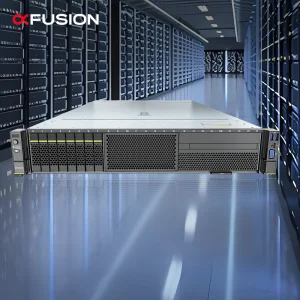
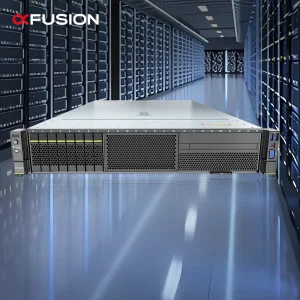
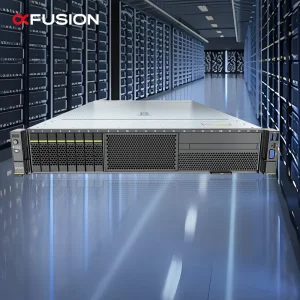
Mapping global technology advancements to local physical constraints to ensure long-term hardware survival and processing speed.
For data centers operating in sub-Saharan climates, cooling costs represent up to 40% of the total energy footprint. Sustained ambient temperatures frequently hover around 30°C to 38°C in major Nigerian business districts, challenging traditional cooling infrastructures. Lowering Power Usage Effectiveness (PUE) is critical for local operators.
Our exported xFusion servers solve this problem through smart heat dissipation technologies. Featuring specialized honeycomb venting patterns and counter-rotating fan clusters with independent PWM controls, xFusion hardware adapts cooling configurations based on internal sensor arrays. In addition, the internal chassis design separates hot components (like the CPU and RAM) from cold incoming airflows, minimizing recirculation and hot spots. This enables systems to operate reliably at up to 45°C ambient temperature under peak loads, reducing dependence on energy-intensive air conditioning and lowering operational expenditures.
The global surge in artificial intelligence—specifically large language model implementations like DeepSeek—has created a demand for local AI model hosting in West Africa. Local institutions are beginning to train and fine-tune models to process regional dialects (such as Pidgin, Yoruba, and Hausa) for speech-to-text, localized financial risk assessment, and legal automation. These pipelines demand high-performance GPU integration. Our custom AI configurations combine xFusion's architecture with advanced accelerator modules to ensure smooth execution of localized deep learning models.
Adaptive PWM speed control and thermal engineering allow xFusion hardware to survive the warmest environments, keeping data centers operational.
Hot-swap backplanes allow for real-time drive and power replacements without disrupting live software clusters.
Hardware-level security measures protect sensitive public data directories against cyber intrusions.
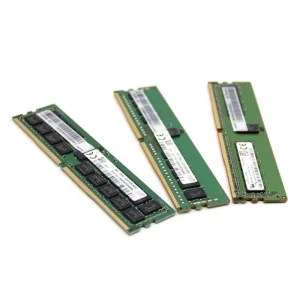
Supplement your rack deployments with wholesale AI GPU platforms and original ECC server RAM memories.
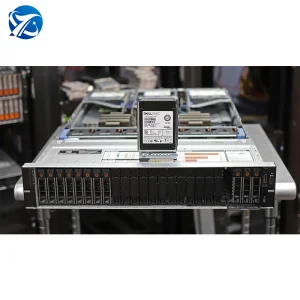
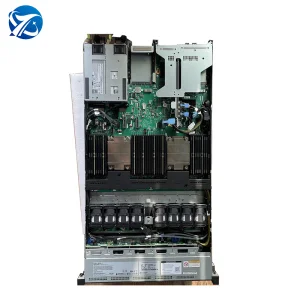
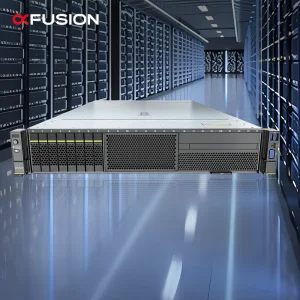
Answering high-intent technical queries regarding server implementation, customization, logistics, and localization services in West Africa.
Connect with our export division to receive configuration consultation, precise tariff/shipping estimation, and factory price discounts.