Aiserveon
Aiserveon
Aiserveon
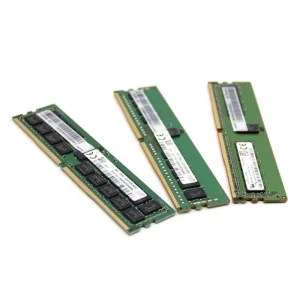
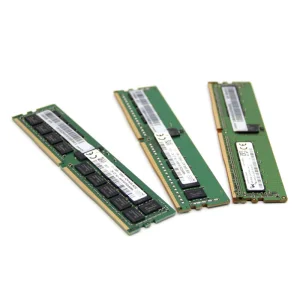
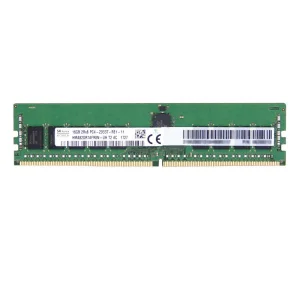
Optimized DDR4 ECC Server RAM and system configurations built to sustain demanding data workloads and cloud deployment environments across Russia.
A comprehensive analysis of digital sovereignty, data localization mandates, and the surging demand for high-density compute architectures.
The Russian enterprise storage market has undergone a fundamental transformation. Driven by stringent personal data protection regulations, specifically the Federal Law No. 152-FZ, organizations operating in the Russian Federation must localize all databases containing Russian citizens' personal data. This regulatory landscape has accelerated local data center expansions and fueled an unprecedented demand for reliable, high-performance physical server infrastructure.
Consequently, cloud service providers in Moscow, Saint Petersburg, and Novosibirsk are actively upgrading their storage platforms to handle high-concurrency database queries, massive AI processing workloads, and enterprise resource planning (ERP) systems. The reliance on robust memory sub-systems and highly scalable NVMe-based hardware has never been more critical.
Major industrial players in the oil and gas sector (such as Gazprom and Rosneft), heavy manufacturing, and the banking sector (such as Sberbank and VTB) are expanding their private cloud networks. To limit dependency on traditional western hardware licensing and support, these enterprises are turning to open-source architectures (such as Ceph and OpenStack) powered by standardized, high-reliability server platforms sourced from trusted global manufacturing hubs.
By leveraging custom BIOS/firmware setups and bare-metal server integrations, Russian enterprises are constructing sovereign IT environments. These configurations require a resilient supply chain of industrial-grade RAM modules, advanced cooling components, and robust chassis to survive challenging geographic climates ranging from Siberian research outposts to complex industrial environments.
Integrating advanced technology, strict quality controls, and a robust global supply chain to power server deployments across Russia.
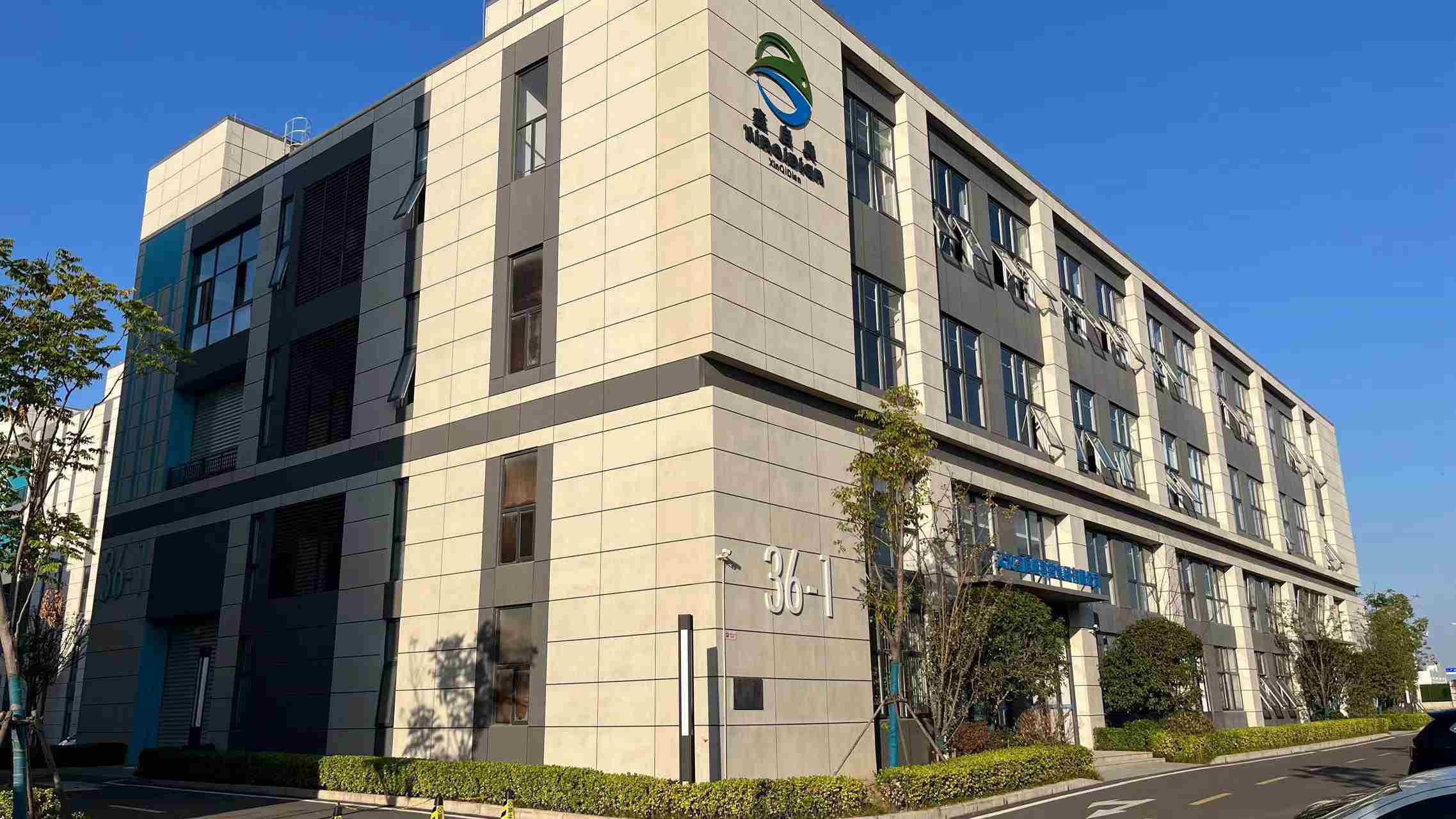
Aiserveon Intelligent Computing Tech Co., Ltd. is a professional AI server and intelligent computing infrastructure manufacturer focusing on high-performance GPU servers, AI clusters, and data center solutions. Operating under the Aiserveon brand, the enterprise has established a formidable presence in the custom server manufacturing field, serving global cloud infrastructure operators and IT system integrators.
With an integrated R&D team of 85 hardware and system engineers, Aiserveon offers extensive customization capability. This covers custom server chassis designs, thermal management solutions, customized BIOS and firmware configurations, and complex multi-node system integration. Last year alone, Aiserveon released 120 new models and iterative upgrades, illustrating our rapid innovation cycle and agility to respond to changing tech demands.
| Key Manufacturing Metrics & Factory Profile | |
|---|---|
| Company Registration Date | 2016 |
| Building Area | 320 m² |
| Annual Export Revenue | USD 15.6 Million |
| Industry / Export Experience | 12 Years Industry / 6 Years Export |
| R&D Engineering Team Size | 85 Professional Engineers |
| Quality Control Team Size | 45 Professional Quality Staff |
| Upstream & Downstream Partners | ~850 Supply Chain Partners |
Ensuring absolute reliability and high-performance server stability through multi-stage quality inspections.
Our Quality Inspection System implements a rigorous multi-stage tracking mechanism, including Incoming Quality Control (IQC), In-Process Quality Control (IPQC), Final Quality Control (FQC), and Outgoing Quality Control (OQC) with full digital traceability.
Product inspection methods employ strict AQL sampling plans, full-load high-temperature burn-in testing, automated performance stress testing under maximum CPU/GPU load, and advanced thermal stability validation to prevent early field failures.
Leveraging deep relationships with over 850 upstream component vendors ensures constant material access. This helps bypass semiconductor shortages and enables consistent production of high-specification memory, controller chips, and chassis components.
Supporting transition to high-throughput architectures and localized hardware compatibility.
While DDR4 memory modules remain a highly cost-effective and ultra-stable foundation for legacy platforms currently active across Russian enterprise datacenters, the roadmap is aggressively transitioning to DDR5 and PCIe Gen 5 configurations. High-bandwidth computing demands generated by large language model training and real-time analytical databases require a doubling of memory bandwidth.
Aiserveon is leading this shift by developing hybrid platform architectures that offer compatibility options for both current standard chipsets and next-gen server designs. This ensures long lifecycle stability and simplifies upgrades for server deployments.
In Russia, server environments range from urban, centralized cloud data centers to remote, sub-zero Siberian processing hubs. These environments require specialized thermal solutions. Aiserveon's engineering team specializes in localized cooling setups, developing high-density liquid cooling loops, advanced air duct layouts, and customized server chassis that optimize airflow.
These cooling enhancements prevent thermal throttling during periods of maximum CPU and GPU computation, protecting critical electronic components and lowering the Overall Power Usage Effectiveness (PUE) rating for local data centers.
Facilitating seamless logistics pathways and hardware compatibility for Russian enterprise imports.
All imported computing hardware is prepared and validated to meet the technical regulation requirements of the Eurasian Economic Union (EAC) and GOST standards, streamlining customs clearance processes.
We provide full software customization services, allowing clients to deploy bare-metal servers with pre-configured BIOS options that work seamlessly with Russian operating systems such as Astra Linux and RED OS.
Our dedicated transport workflows use shock-absorbent packaging and climate-controlled shipping setups to ensure high-end RAM modules, GPUs, and SSD storage arrays arrive safely at Moscow or St. Petersburg hubs.
Demonstrated reliability and engineering capability powering high-density compute applications globally.
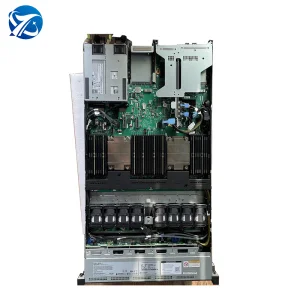
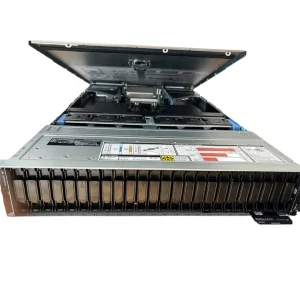
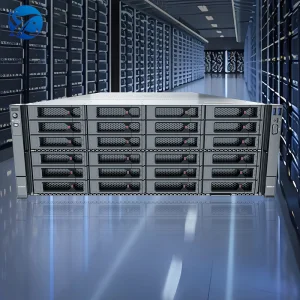
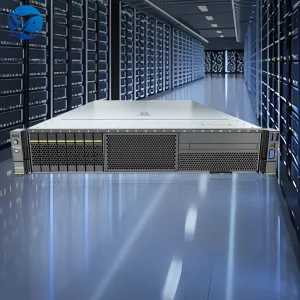
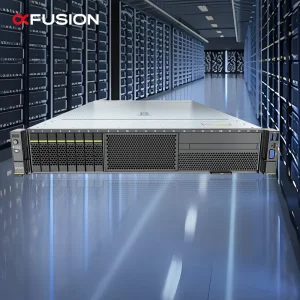
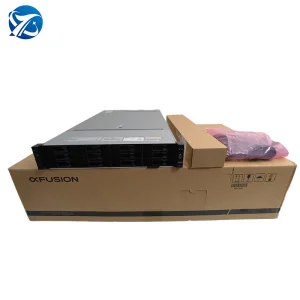
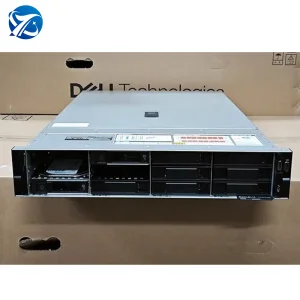
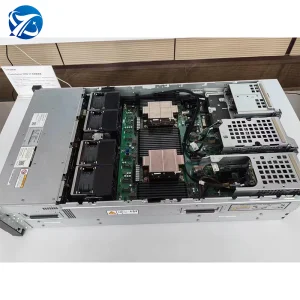
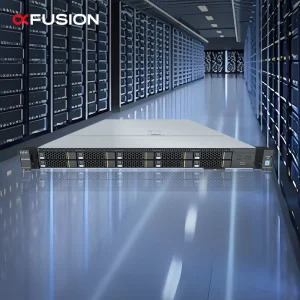
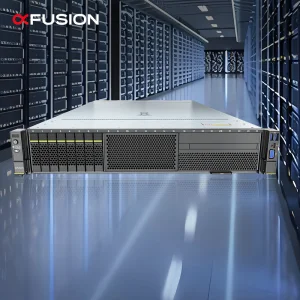
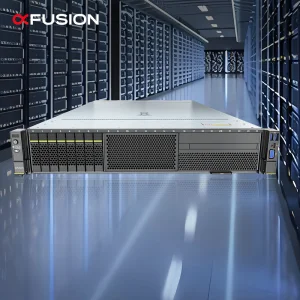
A comprehensive selection of computing systems engineered for high stability, AI workloads, and enterprise databases in Russia.
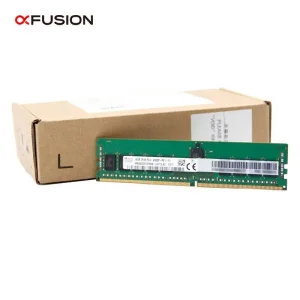
Scalable, modular bare-metal computing and memory expansion units.
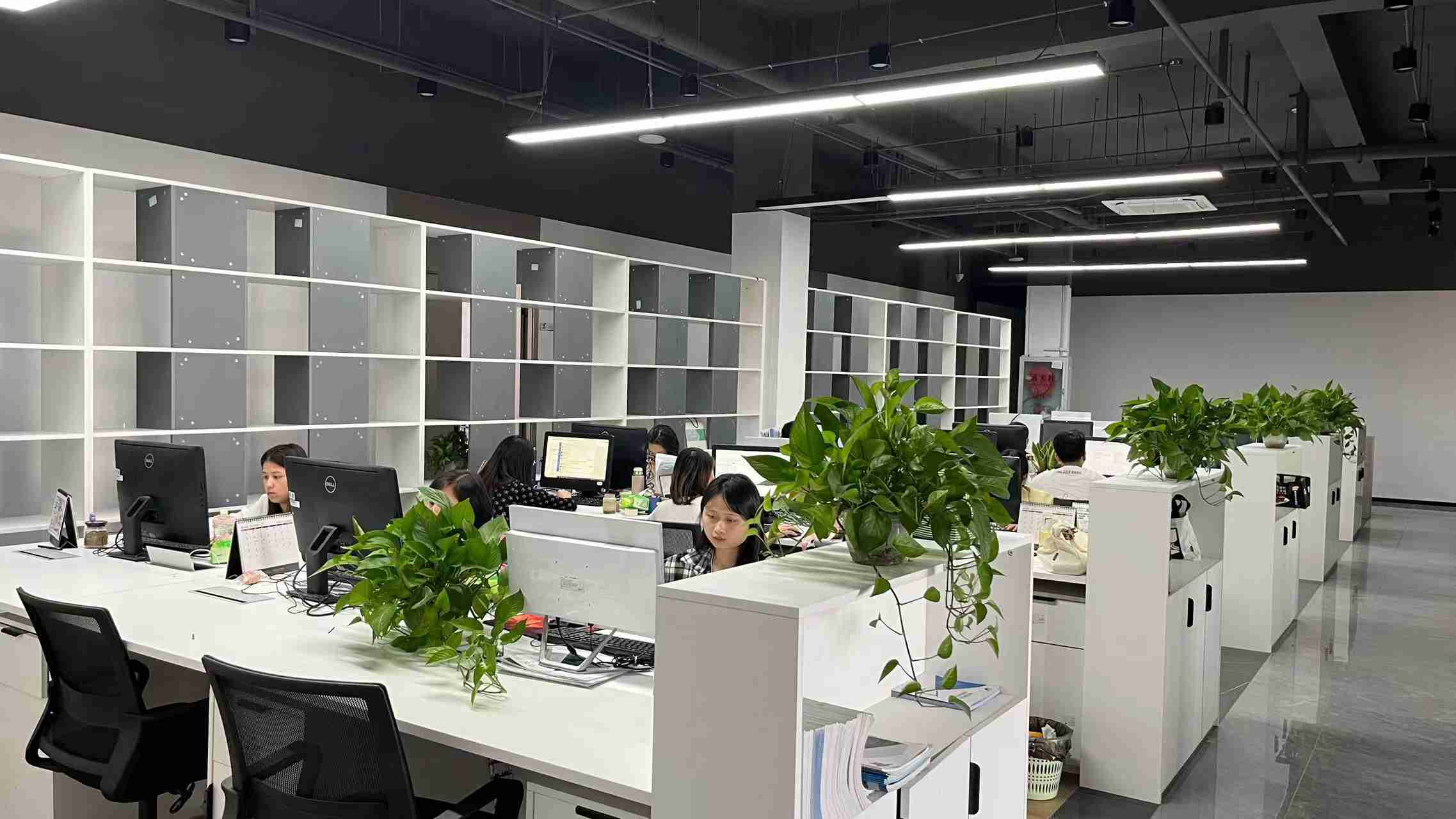
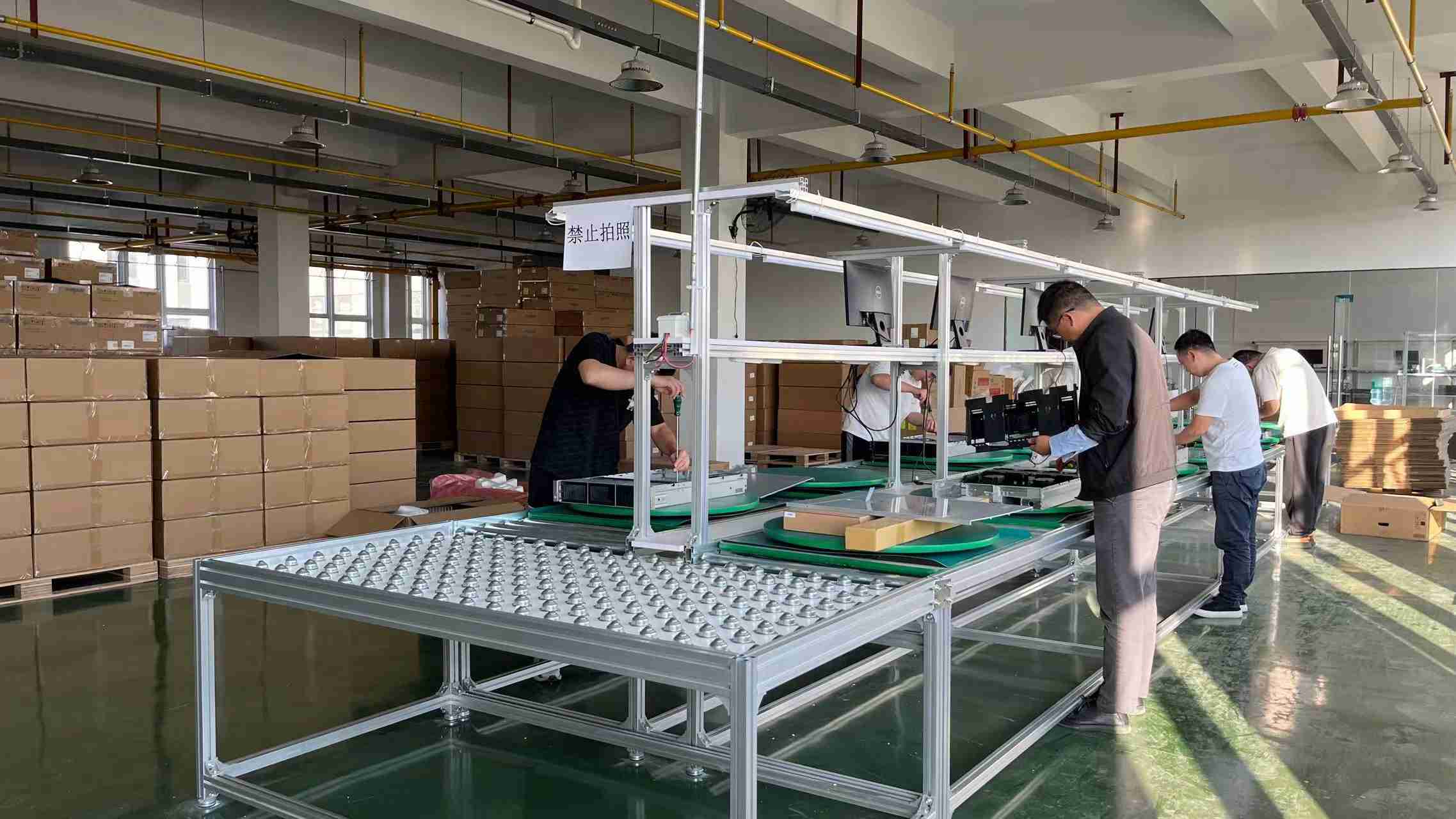
Visual presentation of our QA workflows, factory floor operations, and packaging departments.
Direct technical answers from our engineering team regarding logistics, compliance, customization, and warranty infrastructure.