Aiserveon
Aiserveon
Aiserveon
High-reliability compute architectures designed to support nearshoring operations, logistics hubs, and deep learning nodes across Mexico.
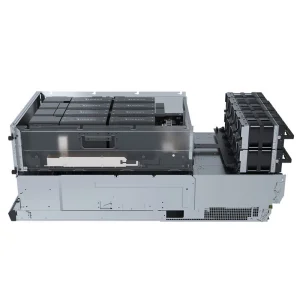

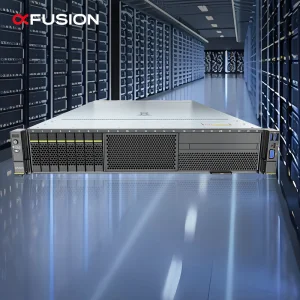
The global manufacturing paradigm is shifting rapidly, positioning Mexico as the preeminent nearshoring hub for North America. As multinational enterprises migrate high-value aerospace, automotive, medical, and electronics manufacturing operations to regions like Monterrey, Tijuana, Chihuahua, and Querétaro, the demand for localized data storage and high-performance computing (HPC) has surged exponentially. The transition to Smart Factories, IoT-enabled assembly lines, and predictive quality assurance processes requires robust enterprise IT infrastructure designed to withstand demanding local conditions.
By implementing enterprise computing systems, such as HPE-compatible custom architectures, companies can reduce latency to negligible levels. Deploying server infrastructure physically close to industrial hubs ensures operational continuity without dependency on remote, overseas cloud centers. This strategy mitigates compliance issues regarding data sovereignty under the Mexican General Law on Protection of Personal Data Held by Private Parties (LFPDPPP) while delivering maximum network reliability.
Data centers in Mexico operate under unique physical conditions compared to typical European or North American facilities. Energy reliability remains a primary challenge, with voltage drops and surges common in rural or rapidly expanding industrial zones. Server designs must utilize high-efficiency, dual-redundant Platinum or Titanium power supply units (PSUs) rated for broad input voltages to prevent hardware degradation. Aiserveon integrates advanced firmware-level power capping features, permitting operators to restrict peak draw during grid strain without triggering system panics.
Thermal management is another critical factor. Regions such as Hermosillo and Mexicali experience summer temperatures exceeding 45°C, making efficient cooling essential. Our optimized HPE-compatible servers employ intelligent zone-based fan controllers that match RPM output directly to localized motherboard sensors. By utilizing dual-loop CPU heat sinks and dynamic hot-aisle containment strategies, operators in Mexican industrial centers can maintain a low Power Usage Effectiveness (PUE) ratio, directly translating to substantial utility cost savings.
Under the brand Aiserveon, Aiserveon Intelligent Computing Tech Co., Ltd. builds customized AI clusters, GPU servers, and high-density computing infrastructure for global data centers.
Aiserveon operates a rigorous quality framework based on the International Quality Standards (IQC, IPQC, FQC, and OQC) with full hardware traceability. Every barebone chassis, custom motherboard, and storage controller undergoes meticulous testing protocols before dispatch. We apply AQL sampling parameters, combined with 100% full-load burn-in testing, running intensive thermal stress tests for a continuous 48-hour cycle at high ambient profiles to replicate regional operating extremes.
Sourcing enterprise server hardware from premier manufacturing clusters in China, such as Shenzhen, offers unmatched supply chain flexibility. Shenzhen's electronics ecosystem consolidates thousands of specialized component manufacturers, PCB fabricators, high-precision chassis press facilities, and test laboratories into a tightly integrated radius. This concentration minimizes production turnaround times for custom rack configurations down to days, compared to weeks in traditional markets.
By leveraging this dense supplier network, Aiserveon can rapidly implement architectural modifications requested by clients. Whether integrating high-density NVMe backplanes, custom BIOS configurations for specific telemetry tools, or alternative chassis dimensions for short-depth server cabinets, our engineers execute iterations swiftly. This agility ensures that Mexican enterprises receive state-of-the-art server generations quickly, maximizing technological return on investment (ROI).
For large-scale enterprise deployments, off-the-shelf equipment from major global vendors can present limitations. These generic options frequently carry premium margins, offer restricted component compatibility, and limit bios customization options. An ODM/OEM partner like Aiserveon fills this gap by allowing engineers to customize hardware configurations specifically for their operational requirements. Enterprises pay only for the exact compute power, memory capacity, and storage throughput they need, without licensing fees or locked firmware ecosystems.
This approach is highly beneficial for organizations implementing specialized platforms, including Kubernetes orchestrations, virtualization hypervisors, and AI pipelines. Our open-architecture systems integrate cleanly with legacy enterprise platforms, ensuring high compatibility with existing networks while improving overall ROI.
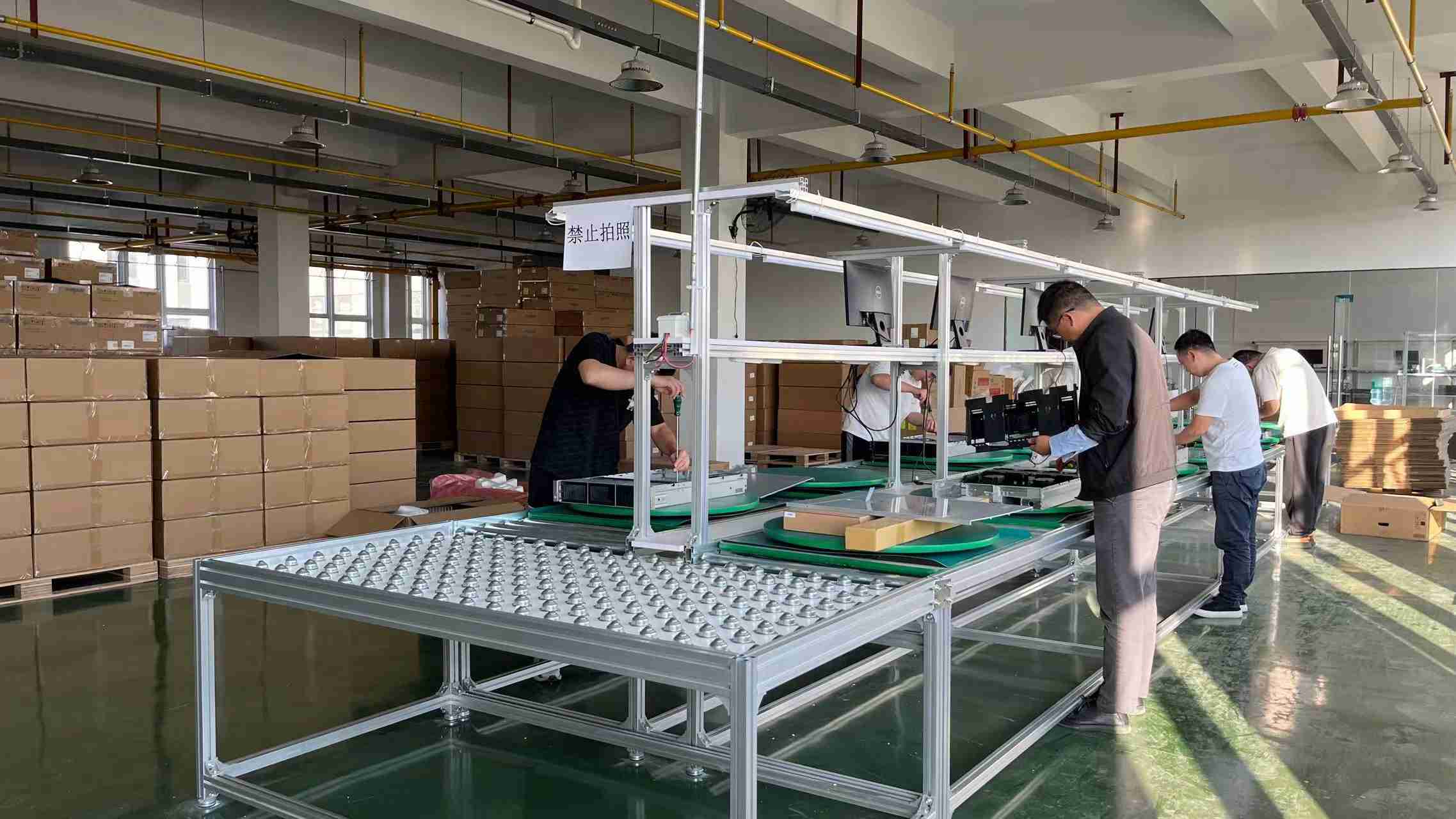
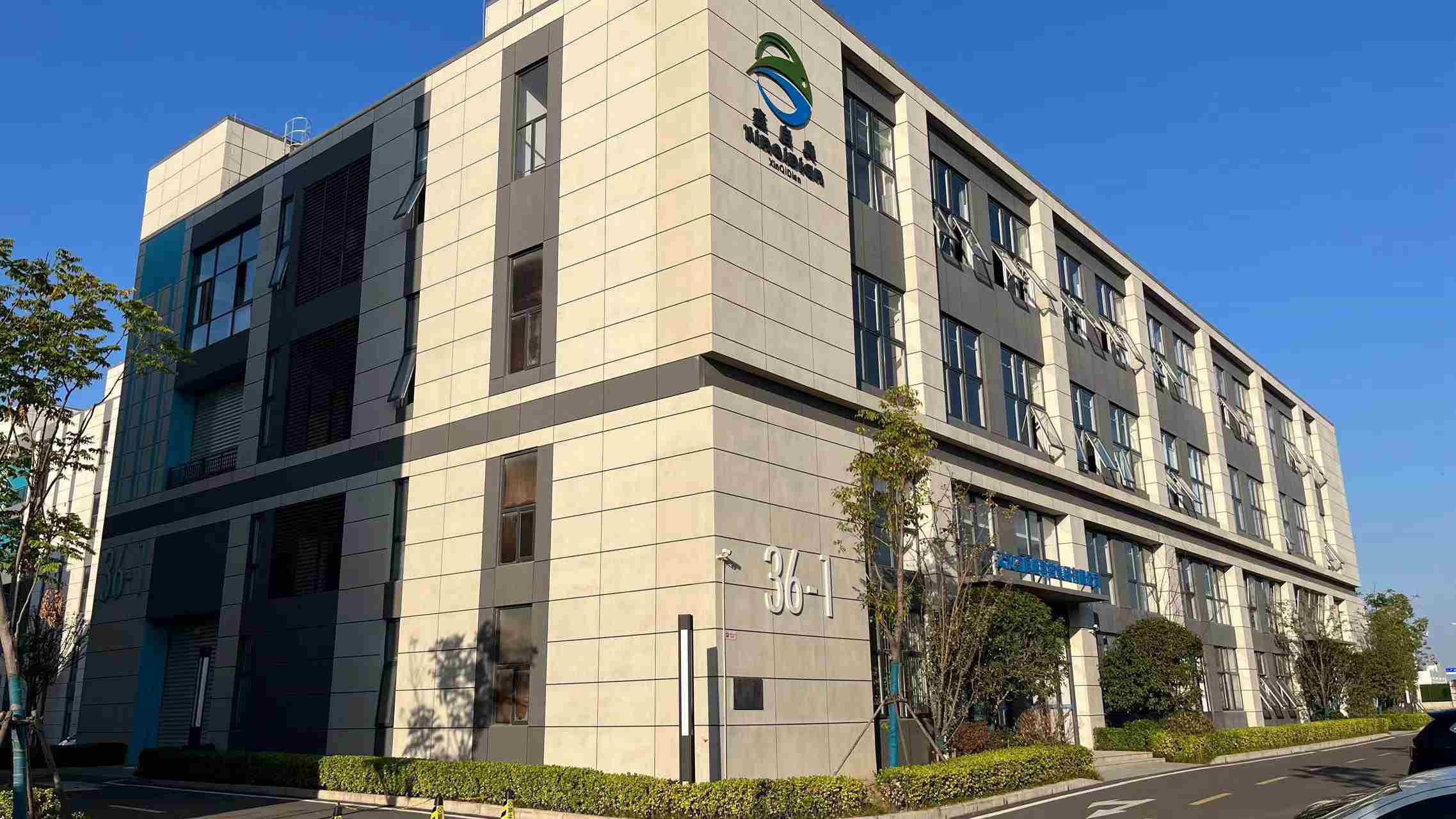
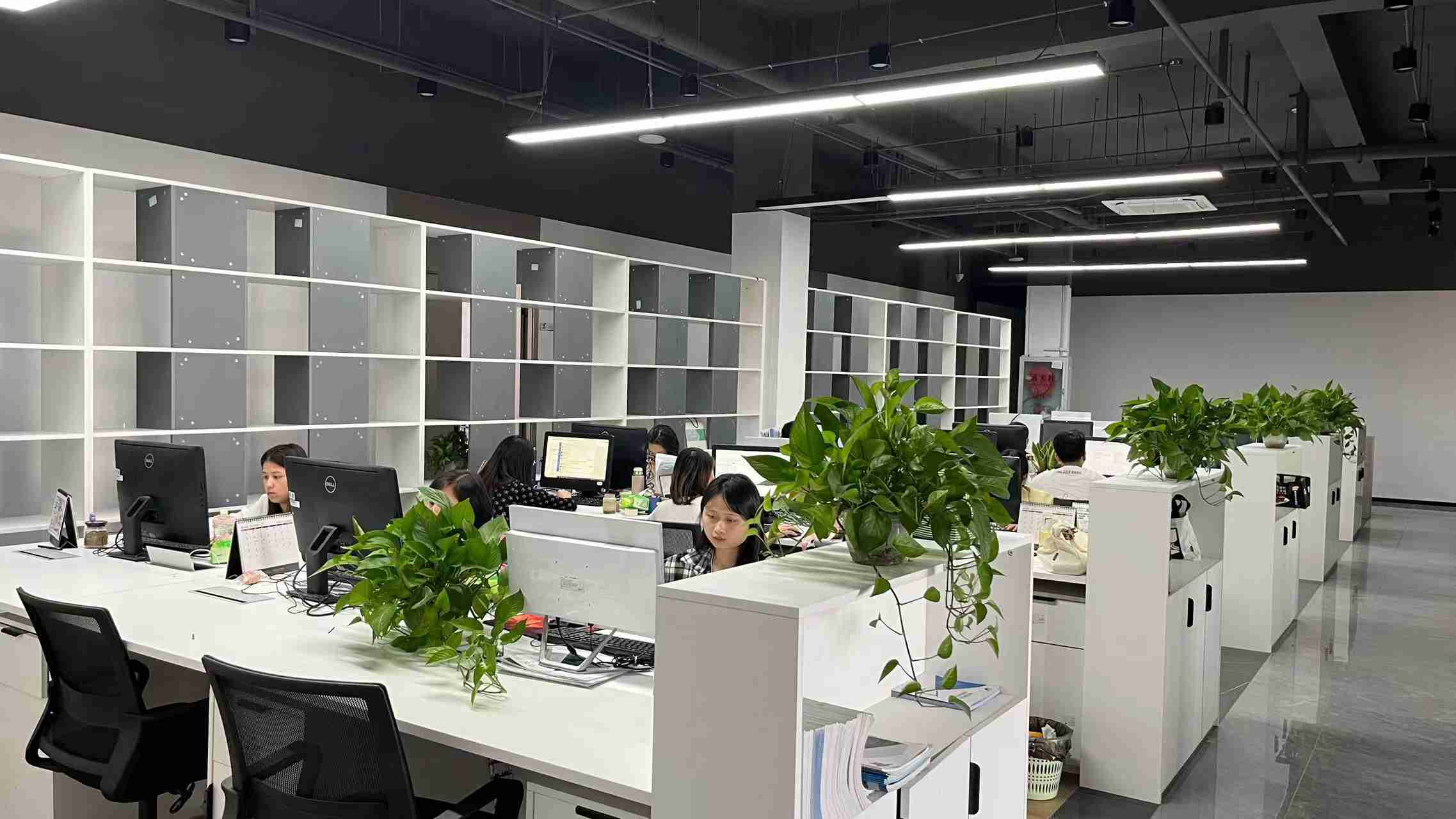
Visualizing our standardized manufacturing facilities, functional testing areas, and secure export logistics operations.
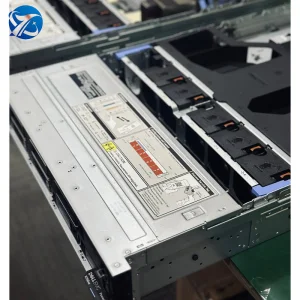
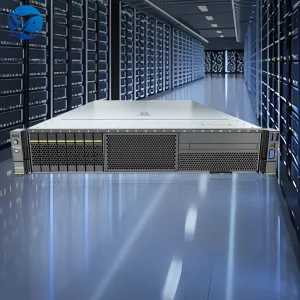
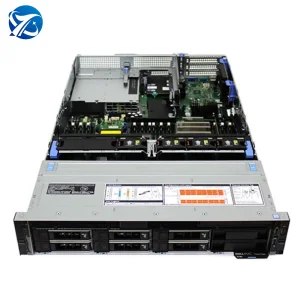
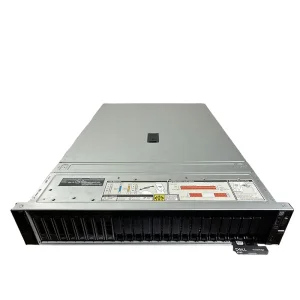
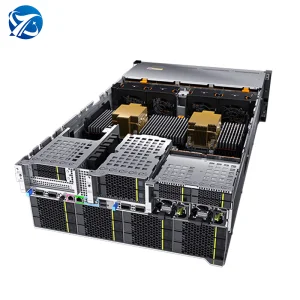
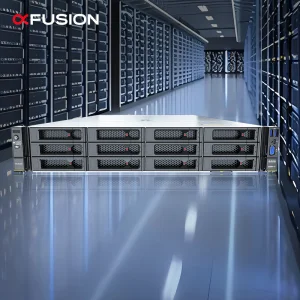
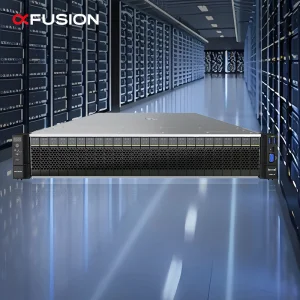
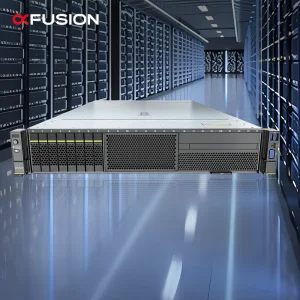
A complete selection of enterprise servers, server nodes, hyperconverged units, and storage array drives designed to handle intensive cloud, AI, and enterprise database architectures.
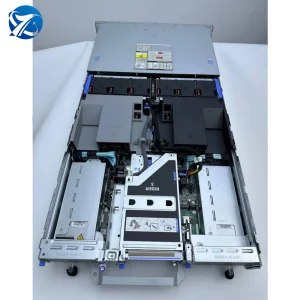
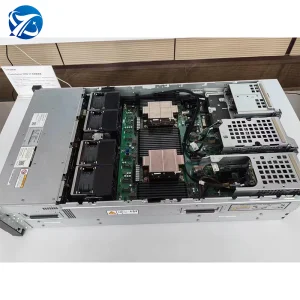
As corporate IT departments prepare for the next wave of technological developments, standard server specifications are undergoing significant architectural changes. The transition to PCIe Gen 5 interconnect buses and Compute Express Link (CXL) technologies enables unified memory pools between CPUs and acceleration units. This improvement resolves memory access bottlenecks for complex analytics operations, database queries, and machine learning models.
Additionally, the demand for local AI processing requires systems designed to handle high thermal design power (TDP) accelerators. Traditional air cooling reaches its performance limits with modern high-capacity chip designs, making liquid-assisted technologies and hybrid cold-plate configurations standard in new data center designs. Incorporating these cooling technologies allows operators to run high-density nodes continuously without risk of thermal throttling.
Modern enterprise procurement policies prioritize energy-efficient designs. Companies operating in regions with rising electricity rates are looking for ways to reduce power usage without impacting computing capacity. Selecting server platforms with high-efficiency titanium PSUs, intelligent component power management, and advanced cooling helps operators lower power usage effectiveness (PUE) metrics, reducing utility costs and supporting environmental goals.
Furthermore, standardizing on flexible server formats allows companies to repurpose computing nodes as workloads evolve. Systems that support modular storage, memory, and processor upgrades can adapt to changing demands, extending the hardware lifecycle and lowering the total cost of ownership (TCO).
Technical answers regarding local import certifications, customization options, and deployment processes for Mexican and international markets.
Our server hardware can be configured to meet the requirements of the Mexican Official Standards (NOM), specifically NOM-019-SCFI for data processing equipment. We utilize components with major international safety marks (UL, CE, CB) to facilitate compliance testing and certification for import and installation in Mexican facilities.
We provide full customization options, including motherboard BIOS branding, custom chassis painting, custom mounting rail kits, pre-installed network cards, custom IPMI profiles, and specialized storage backplanes. Systems are configured and tested to meet client specifications before shipment.
Our servers utilize high-RPM, hot-swappable fan modules managed by zone-specific temperature monitors. This configuration helps prevent thermal throttling by optimizing airflow over high-TDP components, maintaining system performance in challenging environments.
Average production and processing times range from 7 to 15 business days depending on the customization requirements. Transit times to major ports like Manzanillo or Lázaro Cárdenas typically average 18 to 25 days, with express air cargo options available for urgent projects.
Yes, our servers use standard x86 architectures, IPMI 2.0 management controllers, and PCIe expansion slots. This ensures compatibility with existing hardware, hypervisors, and orchestration tools, allowing them to integrate into legacy enterprise networks.
Discuss your hardware configuration, shipping requirements, and technical specifications with our engineering team to receive a tailored quote.