Aiserveon
Aiserveon
Aiserveon
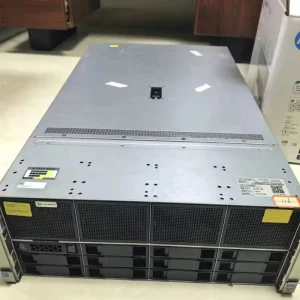
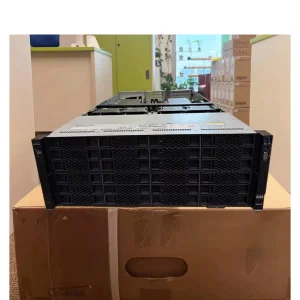
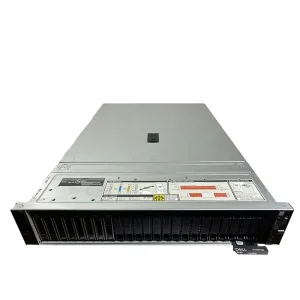
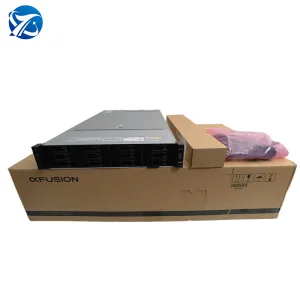
In the modern digital landscape, the separation between hardware architecture and operating system optimization has ceased to exist. As workloads evolve from legacy enterprise databases to complex artificial intelligence (AI) workloads, deep learning networks, and large language models (LLMs) like DeepSeek, the underlying Operating System (OS) must be precision-engineered to match the physical processor topologies, high-speed interfaces (PCIe Gen 5/6), and heterogeneous compute accelerators.
As a premier OEM/ODM operating system supplier, Aiserveon Intelligent Computing Tech Co., Ltd. bridges this critical gap. We design and deliver turn-key system integrations where the Linux kernel, device drivers, system libraries, and bare-metal hypervisors are customized to operate in perfect harmony with next-generation servers. This hardware-software co-design ensures maximum compute efficiency, thermal safety, security isolation, and hardware lifecycle longevity.
The enterprise operating system market is undergoing significant transformations driven by virtualized architectures, containerization, and the integration of edge environments. Let us explore the critical trends governing the design of modern server operating systems:
AI computing demands massive throughput across heterogeneous platforms (GPUs, TPUs, NPUs, CPUs). A robust OEM/ODM operating system must offer pre-compiled, kernel-level integration for deep learning libraries, high-performance network drivers (like InfiniBand and RoCE v2), and NVLink communication layers. By bypassing traditional kernel-space overhead via Direct Memory Access (DMA) and GPUDirect technologies, communication latency between AI cluster nodes is reduced by magnitudes.
To safeguard large-scale data centers from malicious exploitation, the industry is transitioning towards immutable operating systems. In this framework, the core operating system filesystem is mounted as read-only. Updates are applied atomically, allowing safe rollback in case of disruption. This approach drastically minimizes the attack surface and guarantees that every node within a server cluster runs an identical, uncontaminated software stack.
| Feature / Metric | Standard Generic OS | Aiserveon Optimized OEM/ODM OS | Impact on Enterprise Workloads |
|---|---|---|---|
| Interrupt Handling | Generic round-robin | NUMA-aware dynamic steering | Up to 15% reduction in network latency |
| Memory Footprint | 4.5 GB - 8 GB | Minimalist footprint < 1.2 GB | More physical RAM allocated to Llama/DeepSeek weights |
| Boot Strategy | Standard sequential boot | Optimized parallel systemd service init | Boot time reduced from minutes to seconds |
| Kernel Driver Support | Delayed upstream packages | Pre-integrated vendor-validated drivers | Out-of-the-box hardware acceleration stability |
Global buyers, from cloud hyperscalers to regional data centers, face distinct hurdles when procuring computing systems and selecting operating system partners. Modern deployment frameworks require careful attention to the following procurement pillars:
Aiserveon addresses these concerns by providing customizable BIOS/firmware optimization, tailored board support packages (BSP), and hardware-software validation processes before shipping. This drastically reduces on-site integration overheads for enterprise IT deployment teams.
To construct high-performance servers running custom operating systems, rigorous hardware validation is critical. Operating system kernel crashes are frequently triggered by subtle memory bit-flips, voltage fluctuations, or marginal traces on the PCB. Aiserveon prevents these issues with an exhaustive multi-stage inspection framework:
Our team uses advanced diagnostic and stress-testing methodologies, including:
Servers undergo continuous thermal testing for 24 to 72 hours under high heat, forcing marginal components to show issues before delivery.
Utilizing high-performance software packages to run all computing cores, memory registers, and GPU pipelines at 100% capacity.
Adhering to strict Acceptance Quality Limit (AQL) standards to maintain consistent quality across large manufacturing runs.
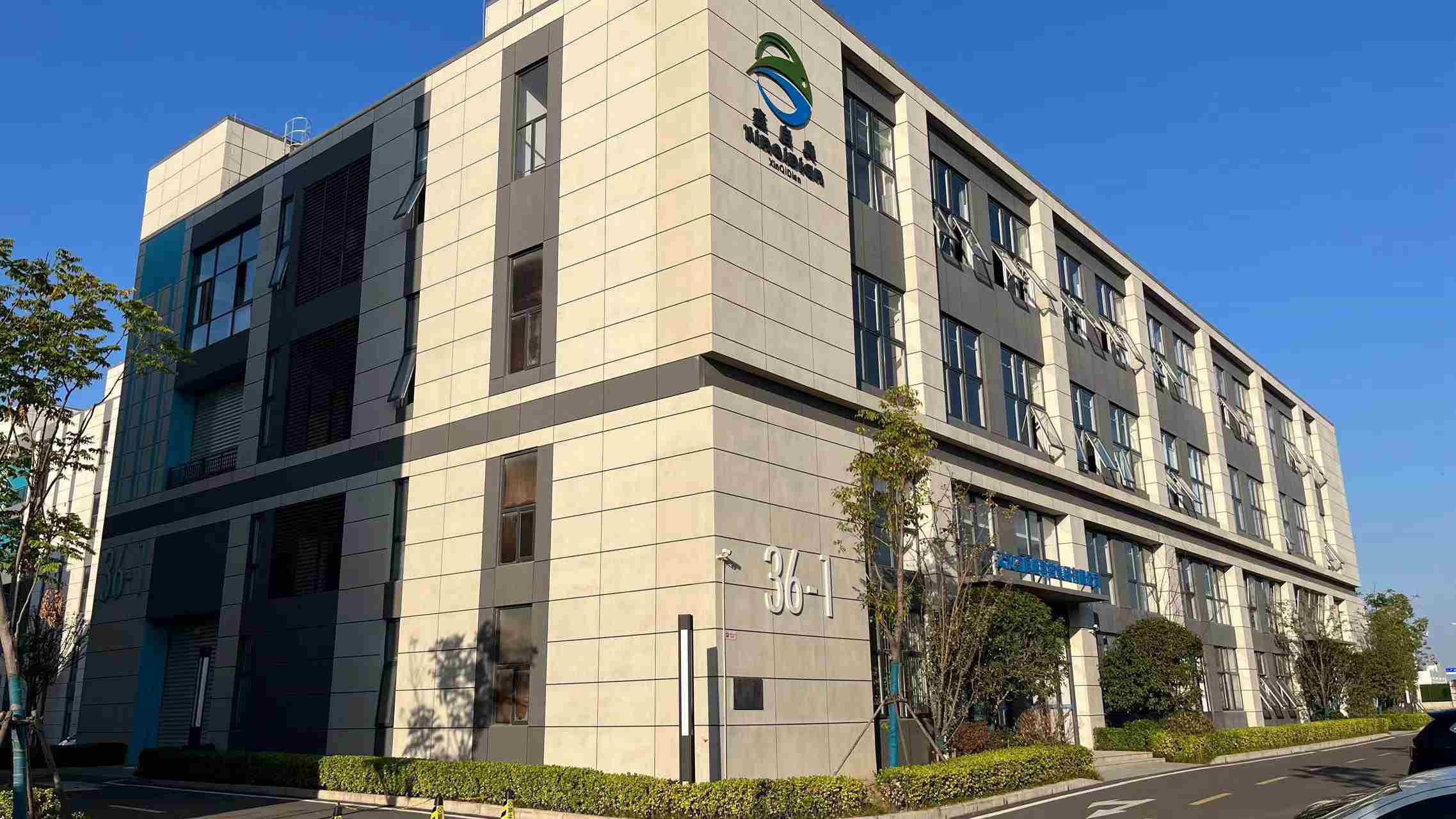
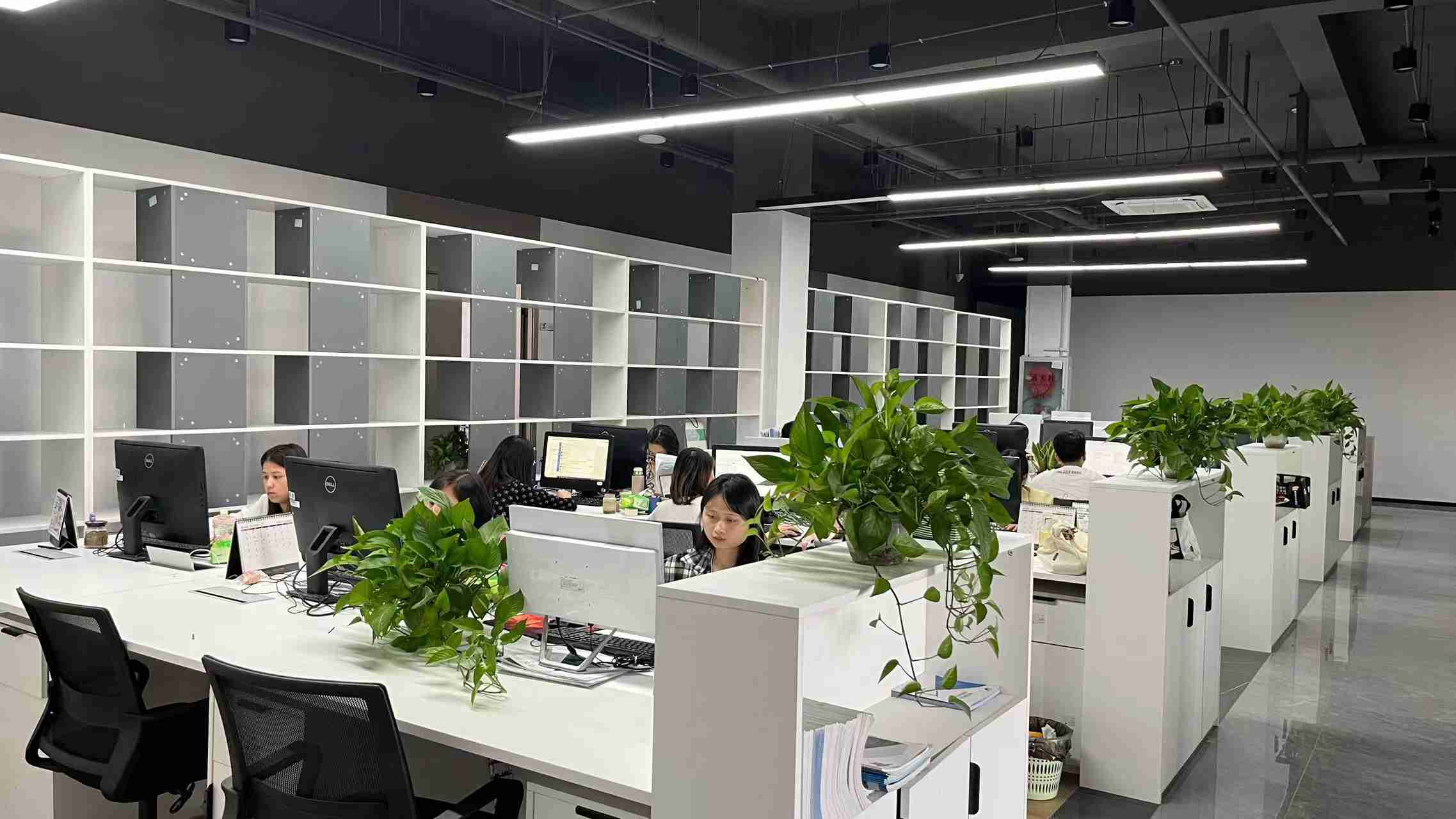
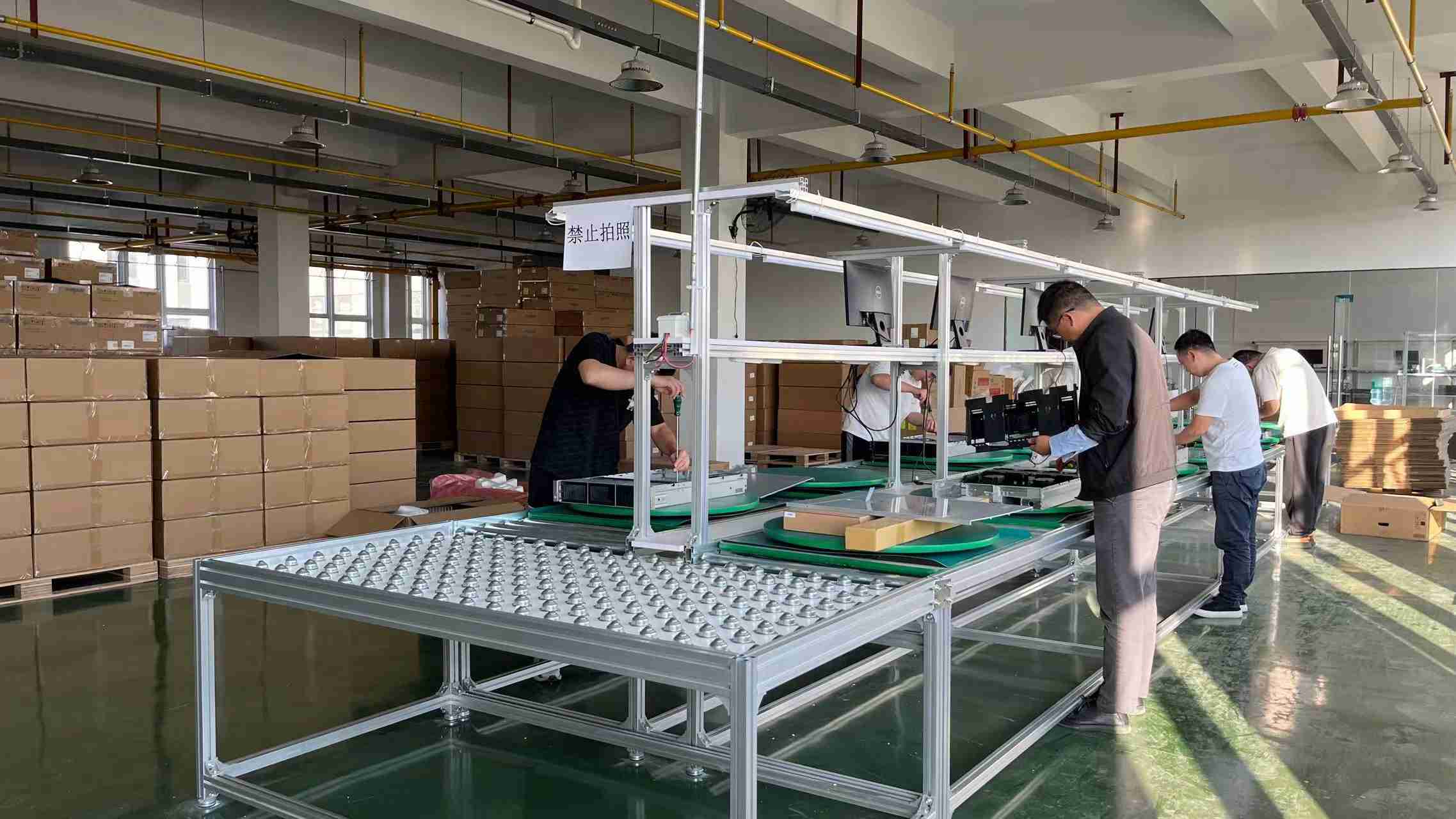
Aiserveon designs tailored solutions that marry optimized software stacks with high-performance computing hardware, catering to critical industries:
Modern cloud service providers require hypervisors capable of managing thousands of virtual machines without CPU resource starvation. Our systems come pre-configured with custom KVM virtual machine managers, customized virtio kernel drivers, and isolated storage controllers. This setup maximizes I/O operations per second (IOPS) while keeping hypervisor CPU usage below 2%.
Deploying hundreds of nodes for machine learning model training requires specialized clustering configurations. We ship hardware pre-configured with Rocky Linux, AlmaLinux, or custom Ubuntu Server distributions. These environments are optimized with pre-installed container packages, NVIDIA CUDA or AMD ROCm developer stacks, and optimized thread schedules, enabling seamless AI cluster setups right out of the box.
Edge systems demand specialized OS platforms optimized for remote configuration, resilience against power losses, and hardware-level encryption. Aiserveon integrates Trusted Platform Module (TPM 2.0) configurations and secure booting within the BIOS, allowing remote systems to boot securely, encrypt storage drives automatically, and prevent local firmware attacks.
Looking forward, operating system developments will focus on tighter integration with heterogeneous processing units and advanced system memories. Aiserveon is actively preparing for these paradigm shifts through the following development initiatives: