Aiserveon
Aiserveon
Aiserveon
Explore our high-performance hardware configurations built specifically for virtualization layers, GPU workloads, and hyperconverged infrastructure.
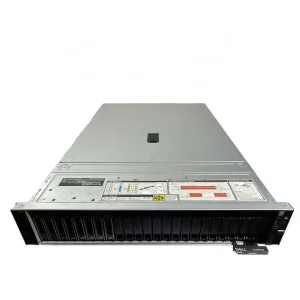
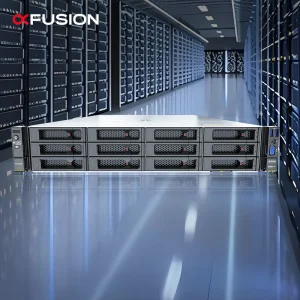
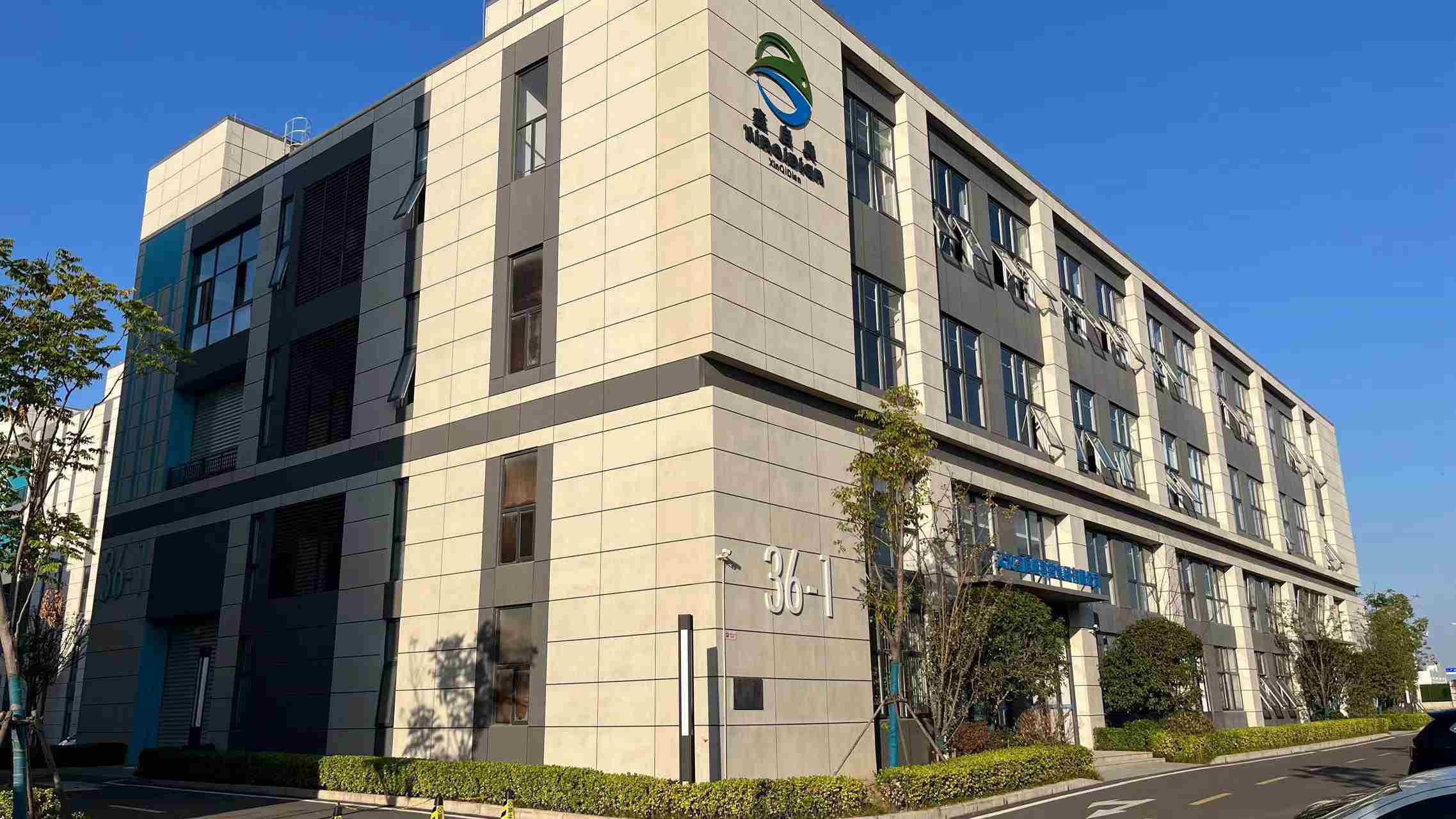
At Aiserveon, we construct the physical engine that powers the global digital landscape. Founded in 2016, we have established ourselves as a pioneering OEM/ODM manufacturer focusing on high-performance GPU servers, AI compute clusters, and bare-metal virtualization infrastructure.
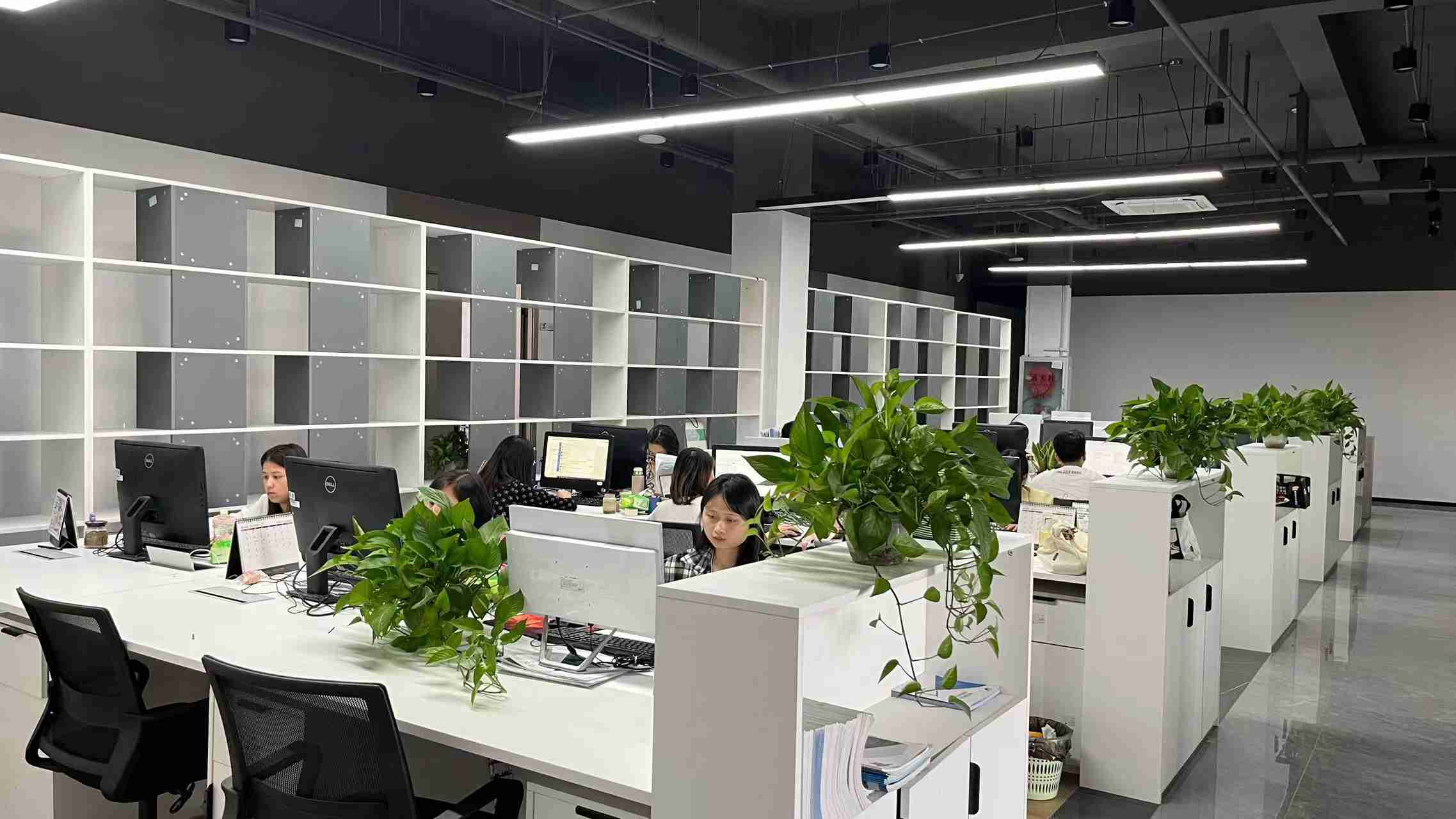
Our operation encompasses 12 years of core industry experience with an integrated R&D engineering setup based in China's manufacturing heartland. By combining deep hardware design capabilities with global supply chain networks, we deliver infrastructure that matches the strict latency, compute density, and stability profiles required by hyper-scale cloud operators and virtualization engineers.
Analyzing the shift from traditional hypervisors to AI-driven virtual clusters and bare-metal edge nodes.
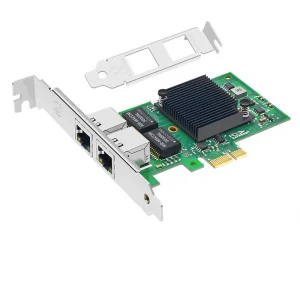
Traditional virtualization setups consumed up to 30% of core CPU capabilities to manage hypervisor tax, networking overhead, and storage virtualization. Today, SmartNICs, DPUs, and IPUs offload the hypervisor layer entirely, unlocking maximum raw hardware performance for guest instances.
The rise of LLMs (e.g. DeepSeek, LLaMA) requires dynamic virtual allocation of GPU hardware. High-density servers leverage MIG (Multi-Instance GPU) technology to fractionally divide massive compute nodes, enabling multi-tenant developer environments with isolated sandboxes.
Local high-density NVMe drive arrays backed by PCIe Gen 5 double data pipelines, replacing legacy external SAN networks. Modern hyperconverged pools leverage Software Defined Storage (SDS) combined with high-performance RAID cards to guarantee low latency.
Global IT deployment demands high flexibility and rigid supply chain execution. Aiserveon sits in the middle of a robust industrial base consisting of 850 downstream and upstream providers. This ecosystem enables rapid hardware adaptations, quick chassis layout adjustments, and custom BIOS adjustments that bypass traditional long manufacturing delays.
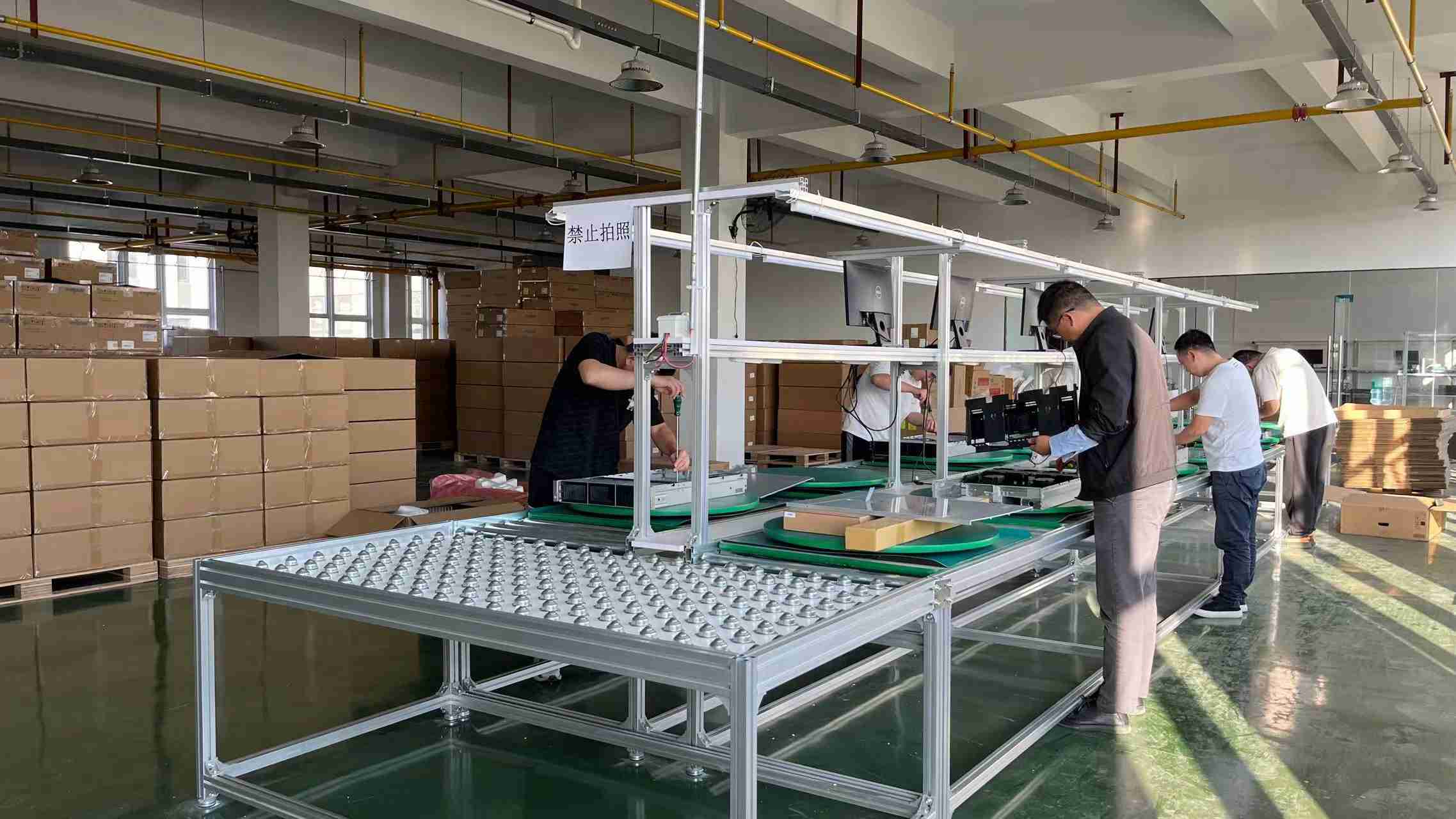
Our manufacturing workflow follows structured automation guidelines: from automated PCB inspection to custom multi-stage burn-in tests at controlled environmental thresholds. This ensures that every high-density virtualization server delivered maintains maximum system uptime and structural thermal balance under heavy computing stresses.
How we address hardware compatibility, system thermals, and long-term hardware lifecycles for global buyers.
Enterprises need absolute confidence that virtual hosts run Proxmox, VMware ESXi, OpenStack, or Hyper-V out of the box. Aiserveon runs BIOS compatibility validations and pre-configures hardware options to eliminate setup mismatches.
Running multi-socket Intel Xeon CPUs and multi-gpu configurations generates substantial thermal loads. We design specialized cooling shroud paths and high-static pressure fans to prevent thermal throttling on heavy computational cycles.
Virtualized networks run on multi-year cycles. Replacing hardware requires access to compatible trays, controller boards, and processors. We assure long-term product lifecycles and maintain continuous stock of essential parts.
Practical deployment cases showing how virtualization clusters resolve compute constraints across various industries.
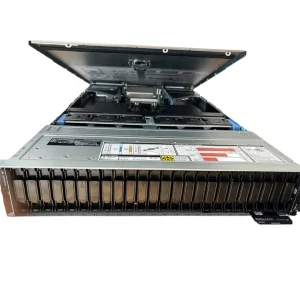
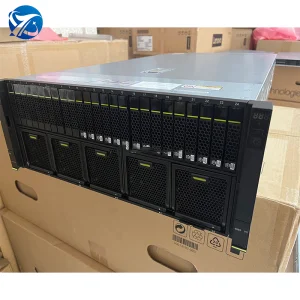
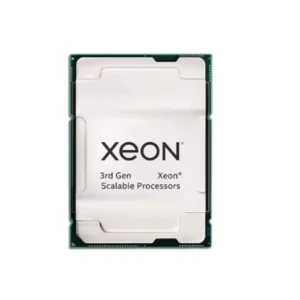
Modern remote workforces rely on secure Virtual Desktop Infrastructures. By utilizing high-density rack configurations running dual Xeon Gold processors and extensive DDR5 modules, IT teams host hundreds of independent desktop environments on a single 2U chassis, lowering per-user infrastructure cost.
Machine Learning and AI startup incubators need dynamic resource shifting. Standard virtualization configurations allow engineering teams to spawn isolated developer sandboxes, allocate specific NVMe data partitions, and dynamically attach vGPU layers for real-time model iterations.
Industrial manufacturing hubs compile thousands of signals on localized factory floors. Edge virtualization platforms bundle container nodes, local automation systems, database backends, and surveillance feeds inside a single robust server cluster, reducing structural footprint.
Virtualization servers are built to operate 24/7/365. Any component failure can compromise dozens of running instances. Therefore, Aiserveon integrates a strict four-stage quality verification process across our assembly operations.
Our dedicated quality control team of 45 professionals ensures that all memory modules undergo error-correcting code (ECC) checks, and RAID controllers are stressed under multi-bay drive configurations. The storage arrays must maintain sustained read/write rates before approval, ensuring hardware reliability.
Detailed technical answers to help IT procurement officers and data center engineers make informed hardware decisions.
Multi-tenant servers require motherboards supporting extensive I/O capacity, dual-socket processor layouts, abundant PCIe expansion slots for SmartNICs/GPUs, and massive DIMM slot configurations. Additionally, hardware-level virtualization extensions (such as Intel VT-x or AMD-V) and SR-IOV support are necessary to enable high-efficiency data routing directly to guest virtual machines.
We work closely with upstream component vendors to test and validate firmware, network interfaces, and storage controller drivers against target operating systems. Our engineering team tests systems with mainstream hypervisors to ensure hardware layers interface correctly, avoiding installation halts.
Hardware RAID controllers feature dedicated processors and onboard cache (often backed by flash memory battery protection) to manage drive array parity calculations. This frees the host CPU from storage operations, ensuring virtualization guest OS performance does not drop during heavy disk write periods.
Yes. As a flexible OEM/ODM factory, we support customized boot screens, adjusted PXE networking configurations, default power-on states, and custom logo printing on physical bezels and packaging. These services help global system integrators deploy equipment ready for client installations.
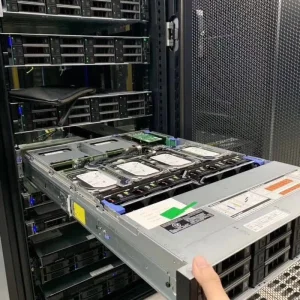
Every server is placed in our thermal test section under simulated workloads. We test the units at high ambient room temperatures, checking core processor heat levels and drive array airflow paths to ensure fans respond correctly and internal components stay within safe operating ranges.
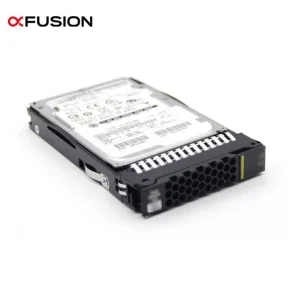
We provide hot-swap chassis supporting both 2.5-inch NVMe U.2/U.3 drives and high-capacity 3.5-inch SAS drives. This allows operators to run fast NVMe drives for virtualization cache storage layers, and cost-effective SAS drives for primary data storage pools.
Complete your server deployment with our highly compatible hardware upgrades, high-capacity SAS arrays, and AI compute acceleration units.