Aiserveon
Aiserveon
Aiserveon
In the era of massive AI computing, Large Language Models (LLMs), and mission-critical cloud infrastructure, the storage subsystem is no longer just a passive repository. Modern architectures demand ultra-low latency, multi-controller reliability, and seamless integration with high-density GPU computing clusters. As a leading force in high-performance hardware supply chains, Aiserveon Intelligent Computing Tech Co., Ltd. acts as a critical bridge. We integrate state-of-the-art storage architectures, such as the industry-leading technologies found in Huawei OceanStor Dorado all-flash arrays, with high-performance computational nodes like xFusion FusionServer and Dell PowerEdge platforms.
This whitepaper details the structural dynamics, engineering capacities, and localized storage manufacturing ecosystems in China. We address the growing demand for high-reliability SAN/NAS hardware, NVMe over RoCE (RDMA over Converged Ethernet) fabrics, and modern industrial integration workflows. By aligning custom manufacturing capabilities with global compliance and technical excellence, we help enterprises secure lower TCO and top-tier reliability.
By leveraging dedicated controllers and flash-specific algorithms, our integrated systems achieve up to 20 million IOPS at a consistent 0.1ms latency, ideal for real-time transactional systems and deep learning training.
Designed for mission-critical reliability, SmartMatrix architecture supports tolerance of up to 7 out of 8 controller failures without causing service interruptions, ensuring 99.99999% availability.
Simultaneous support for file, block, and object protocols eliminates resource silos and simplifies storage networks across diverse hybrid cloud computing workloads.
As a premier OEM/ODM manufacturer registered since 2016, Aiserveon acts as a powerhouse for global server and storage integration. Our multi-stage inspection facilities, heavy engineering focus, and massive supply chain partnership network ensure high-reliability hardware delivery worldwide.
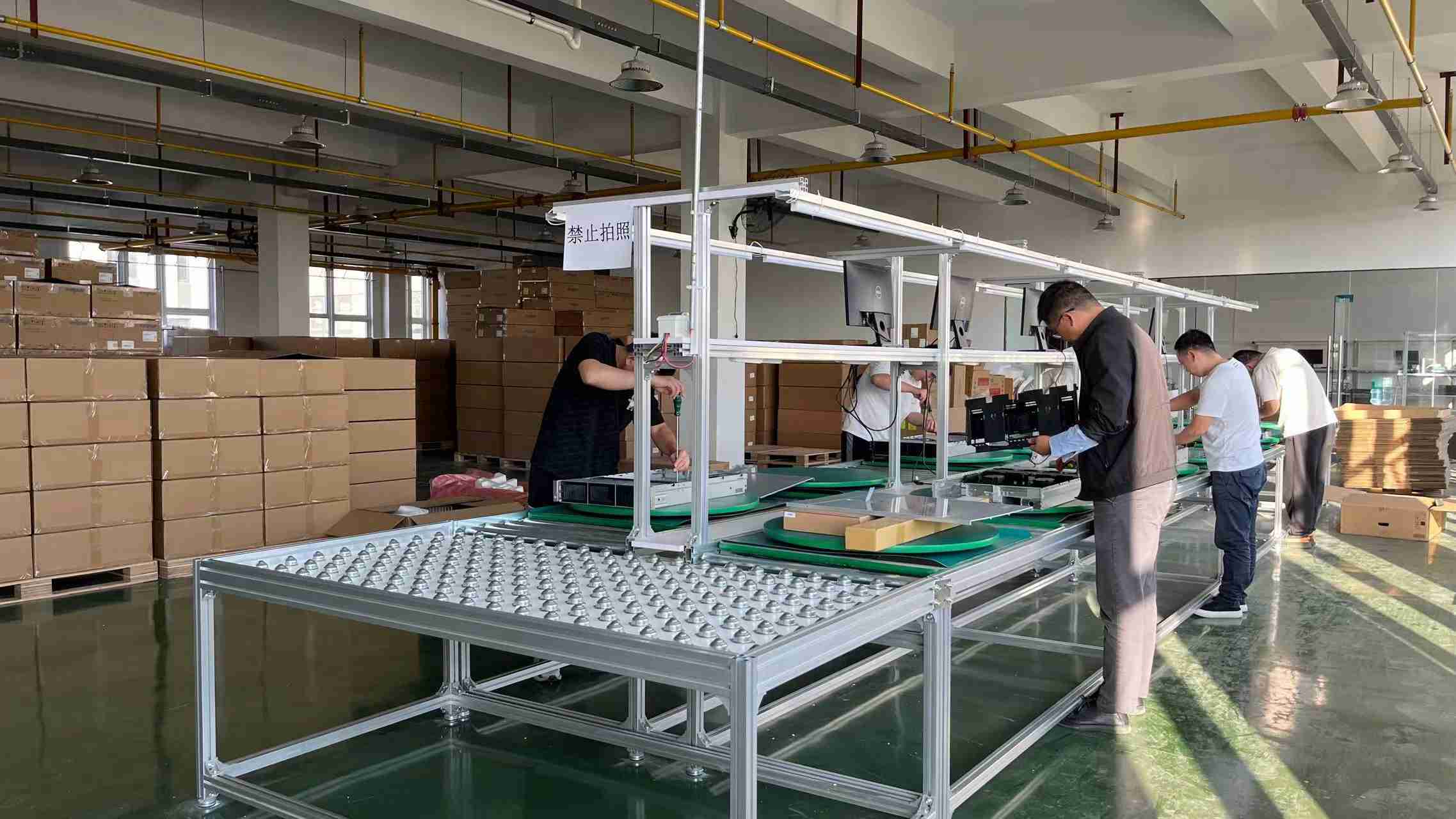
Our Quality Control team consists of 45 dedicated inspectors executing an intensive multi-stage protocol: IQC (Incoming), IPQC (In-Process), FQC (Final), and OQC (Outgoing). To ensure mission-critical stability, every storage node and GPU compute system undergoes full-load burn-in testing, thermal environment validation, and automated performance stress tests. We maintain complete component-level traceability to fulfill enterprise SLAs.
We provide full hardware customization, including system-level configuration, bespoke chassis design, customized BIOS/firmware optimization, and deep integration with proprietary software. Last year alone, we released 120 new and iteratively upgraded models, supporting AI training clusters, hybrid clouds, and high-performance NVMe storage networks.
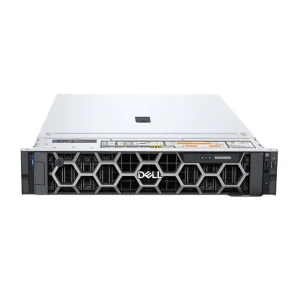
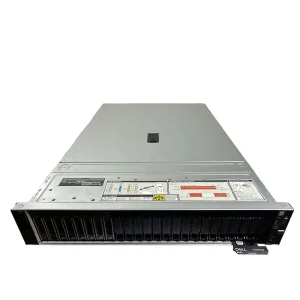
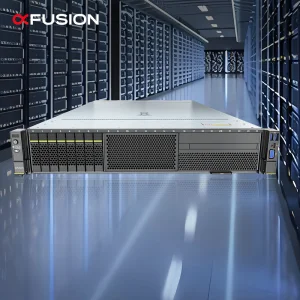
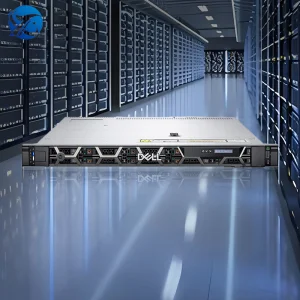
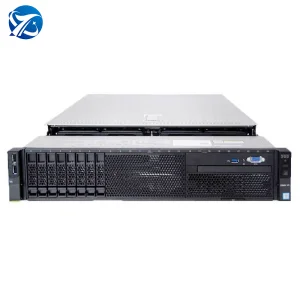
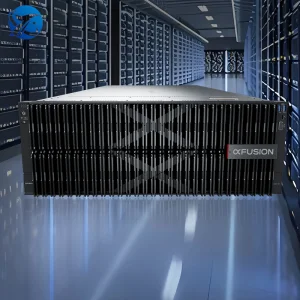
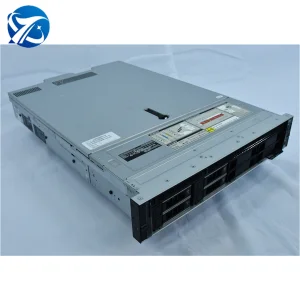
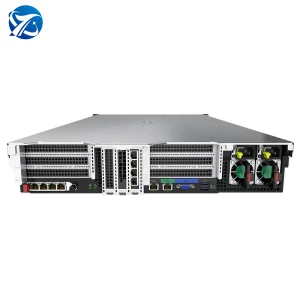
In modern industrial operations, data storage cannot exist in a vacuum. It must align tightly with powerful computational systems to support AI workflows, high-frequency financial trading, and real-time smart manufacturing. By integrating Huawei's advanced OceanStor storage logic with compute configurations like xFusion 2288H V6, xFusion 5885H V7, and Dell PowerEdge series, we construct balanced architectures that prevent I/O bottlenecks.
| Industry Vertical | Primary Compute Nodes | Storage Topology (e.g., OceanStor Dorado/Fusion) | Network Fabric / Interconnect | Key Metrics Achieved |
|---|---|---|---|---|
| AI Training & Inference | Deepseek AI GPU Servers, Dell R750 / R760 GPU Nodes | High-Density All-Flash NVMe Arrays | 200G/400G InfiniBand & RDMA (RoCEv2) | 99.9% GPU utilization, sub-millisecond dataset loading |
| Financial High-Frequency Trading | xFusion 2488H V6 4-Socket, Dell R960 4U Server | Active-Active SmartMatrix SAN Configurations | 32G Fibre Channel / NVMe-oF | 0.05ms transaction write latency, zero-RTO failover |
| Telecommunications & Core Data | xFusion 2258 V7, Dell R660 1U Server | Distributed Hybrid Storage Pools (HDD + SSD) | 100G Ethernet (TCP/IP & RoCE) | Multi-tenant isolation, carrier-grade 99.9999% SLA |
| Medical Imaging & Large Archives | xFusion 5288 V6 4U (36x 3.5" Drives) | High-Capacity Converged NAS System | 10GbE / 25GbE optical uplinks | PB-scale PACS archiving, instant image retrieval |
This integration capability allows data centers to maximize computational density. Instead of dealing with disparate hardware vendors, customers can source fully optimized, rack-level solutions validated for hardware compatibility, thermal efficiency, and software-defined storage management.
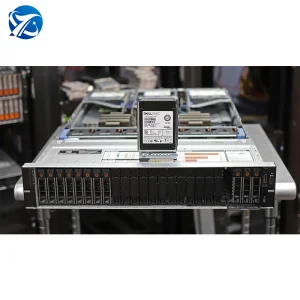
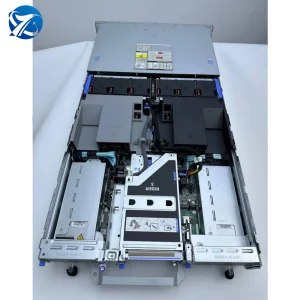
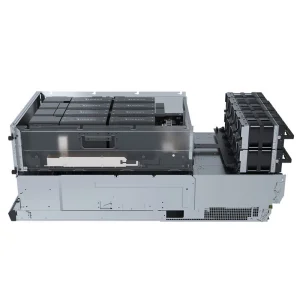
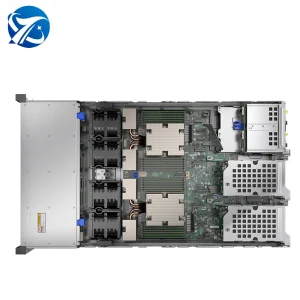
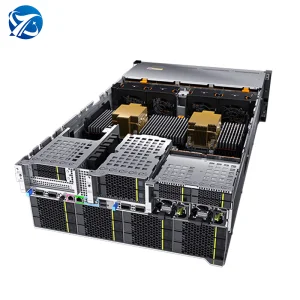
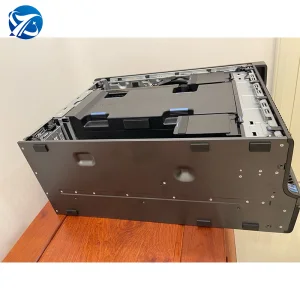
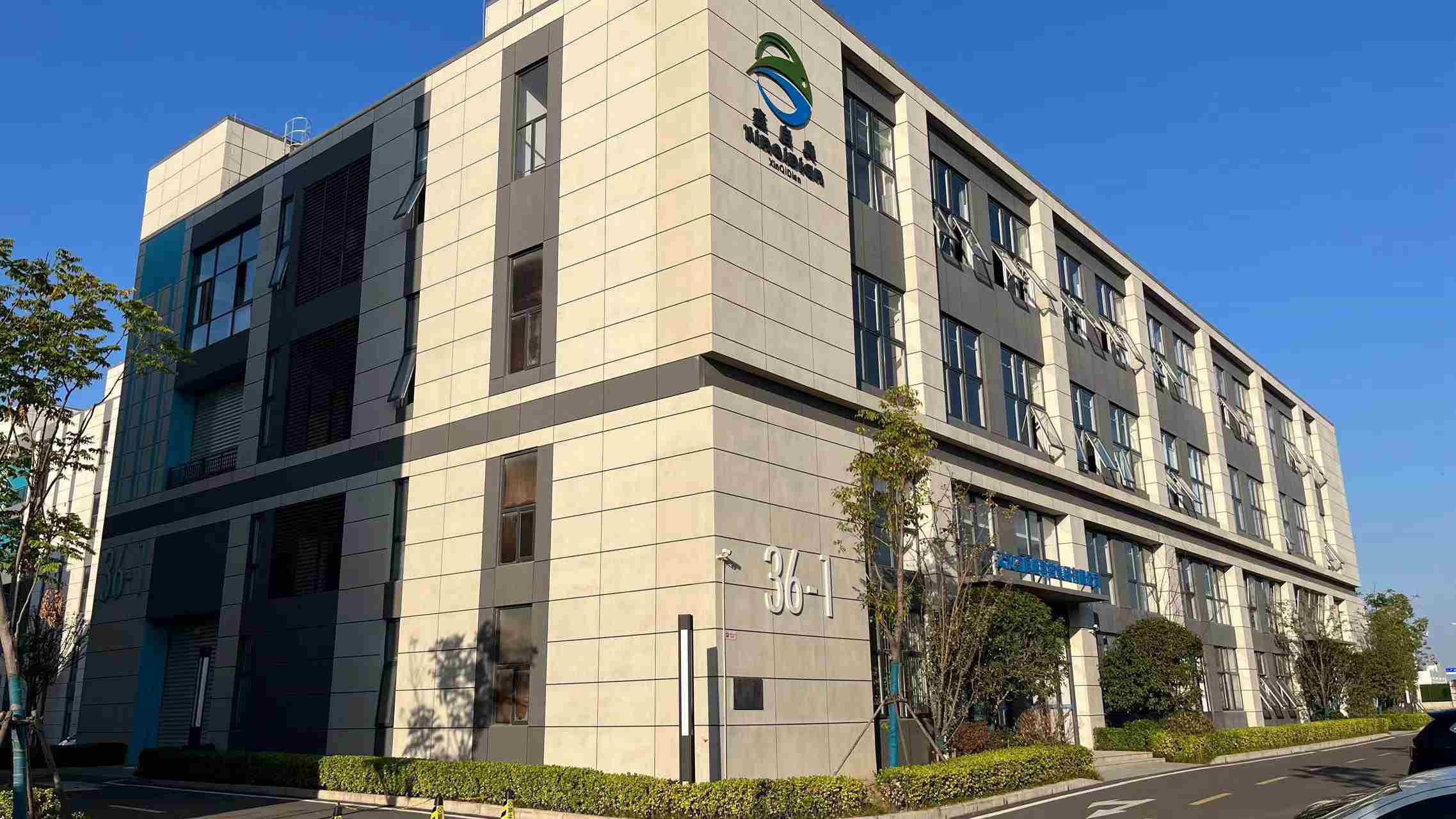
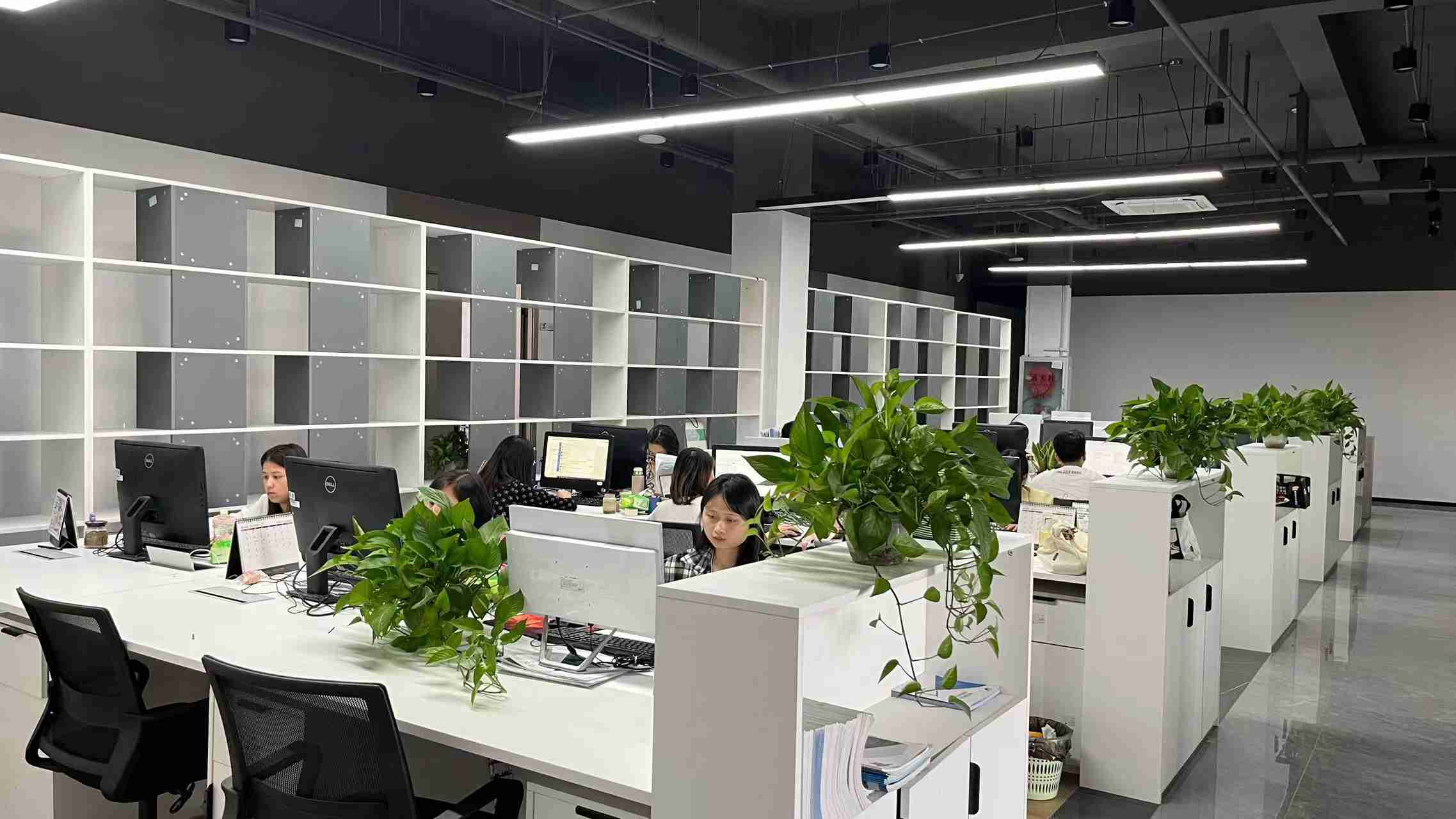
Operating in a clean, state-of-the-art integration facility, we assemble and test complete enterprise hardware setups. Below are real-world views of our engineering, assembly, and testing divisions where customized computing systems and storage networks are prepared for export.
FlashLink® technology coordinates CPU, memory, and flash memory translation layers (FTL). It dynamically prioritizes read/write queues to prevent garbage collection cycles from causing latency spikes, keeping performance predictable under heavy load.
Using high-speed PCIe switches, the controller backplane enables direct cache access across all nodes. If a controller fails, cache data remains mirror-protected across the surviving controllers, preventing data loss.
Inline block-level deduplication and byte-oriented compression algorithms run directly on hardware accelerator chips. This achieves up to a 5:1 data reduction ratio (DRR) without degrading CPU performance.
Deploying storage and server infrastructure globally requires strict compliance with international standards and national regulations. We ensure all equipment meets destination-specific certifications and safety guidelines.
All customized hardware configurations undergo testing to meet global export requirements, including CE, FCC, RoHS, UL, and CCC. Our systems comply with data protection regulations such as GDPR and HIPAA, ensuring security protocols are embedded at the firmware and controller levels.
Enterprise servers and storage arrays are highly sensitive to vibration and static. We pack all international shipments in custom-designed, multi-layered anti-static bags, enclosed in shock-absorbing high-density foam within export-grade plywood crates. We partner with top-tier global freight forwarders to provide end-to-end tracking and secure customs clearance.
Additionally, we offer localized support programs, technical training, and remote diagnostic services to help international integrators quickly deploy these complex storage systems within their localized environments.
As the industry moves toward faster data transfer and tighter integration between memory and storage, we are developing solutions that leverage upcoming technologies. Our R&D team is focusing on several key areas:
By implementing CXL protocol bridges, we aim to enable direct cache-coherent memory sharing between GPU servers and high-speed NVMe flash arrays. This reduces host memory overhead and accelerates deep learning pipelines.
Our upcoming chassis and backplane redesigns are engineered to handle the signal integrity requirements of PCIe Gen6 and Gen7. This double data transfer speeds compared to current configurations, eliminating PCIe bus bottlenecks.
We are integrating real-time telemetry into our system management controllers. By using predictive analytics, the system can detect early signs of NVMe degradation or controller anomalies, alerting administrators before a failure occurs.
Our engineering team performs extensive testing using diverse protocol combinations. We validate fiber channel host bus adapters (HBAs), network interface cards (NICs), and RoCE initiator drivers to ensure seamless communication. Our integrated rack systems use standardized fabrics (like NVMe-oF and iSCSI) to guarantee full interoperability between Huawei storage controllers and any x86 or ARM-based compute nodes.
Every system undergoes a structured, multi-stage testing process. This includes: (1) IQC component validation, (2) IPQC checking during assembly, (3) FQC automated diagnostics under simulated system loads, and (4) OQC final package checking. All drives and systems undergo a continuous 48-to-72 hour burn-in test in climate-controlled chambers to verify thermal stability and detect potential component failures prior to shipment.
Yes, we provide comprehensive OEM/ODM services. This includes physical modifications like custom bezel and chassis branding, as well as customized BIOS/UEFI boot logos, specific PCIe power profiles, and custom firmware configurations. Our R&D team can adjust system-level configurations to optimize performance for specific software-defined storage (SDS) platforms or custom hypervisors.
SmartMatrix architecture uses a highly interconnected full-mesh backplane link. All controllers share a unified, active-active memory cache pool over high-speed links. If a controller fails, its workloads are instantly reassigned to the remaining nodes in the cluster without requiring a system reboot or causing path switching delays, ensuring continuous operation.
Standard lead times for custom orders range from 2 to 4 weeks, depending on component availability and customization requirements. High-density rack configurations that require full system burn-in testing may take slightly longer. We coordinate with major global logistics providers to offer air, ocean, and land freight options, managing customs documentation to streamline delivery.