Aiserveon
Aiserveon
Aiserveon
High-performance edge servers and compute units configured specifically for transaction workloads, deep customer analytics, and decentralized database management.
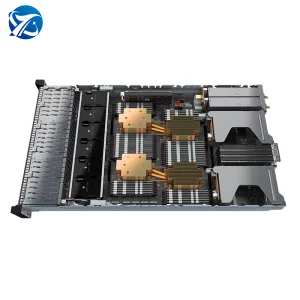
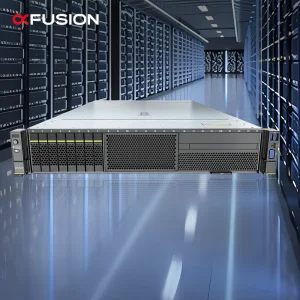
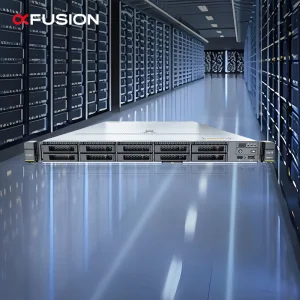
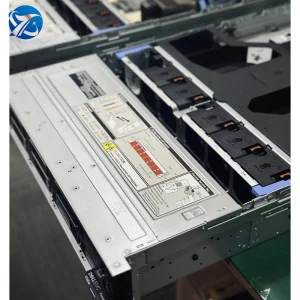
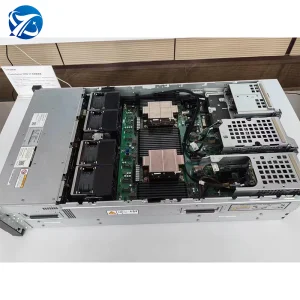
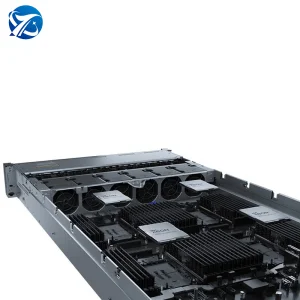
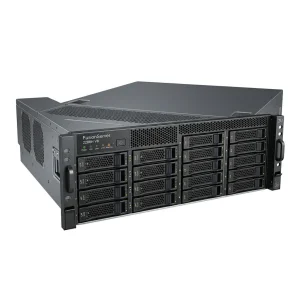
Under the leadership of Aiserveon Intelligent Computing Tech Co., Ltd., we custom-engineer processing units, massive storage arrays, and custom AI systems to meet global retail compliance and computational demands.
Modern retail spaces are no longer just static points of sale. They are active IoT grids processing streaming video analytics, algorithmic pricing, real-time inventory positions, and consumer intent patterns. Aiserveon sits at the critical intersection of high-performance GPU server design and server cluster customization, supplying cloud systems built around next-generation architectures.
We deploy a rigorous, multi-tier testing pipeline containing Incoming Quality Control (IQC), In-Process Quality Control (IPQC), Final Quality Control (FQC), and Outgoing Quality Control (OQC). Every server shipped from our facility undergoes comprehensive validation metrics, ensuring reliable operations in remote retail outlets and metropolitan corporate datacenters alike.
Our quality verification processes include automated software stress checks, full-load environmental burn-in tests, and comprehensive structural thermal tuning to maximize unit lifespans and lower overall TCO.
Exploring the underlying infrastructure shift from monolithic legacy databases to distributed cloud-to-edge hardware processing.
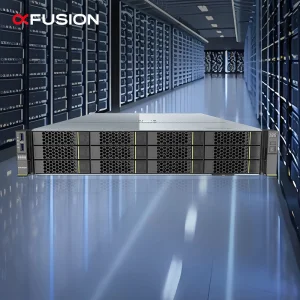
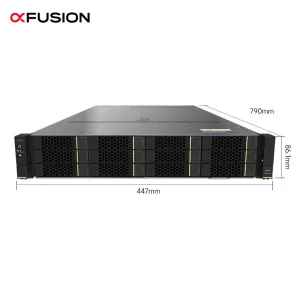
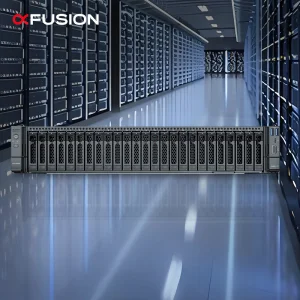
Historically, retail computer architecture relied on slow, centralized servers processing point-of-sale transactional records at midnight. Today's smart retail demands microsecond responsiveness. Storefronts run multi-camera computer vision models to identify out-of-stock positions on shelves and execute cashierless checkouts. These dynamic visual assets demand GPU-accelerated server units such as the FusionServer 2288H V7 AI Data Server or xFusion 2488H V7 to process raw camera data locally, cutting bandwidth fees and ensuring continuous local operations.
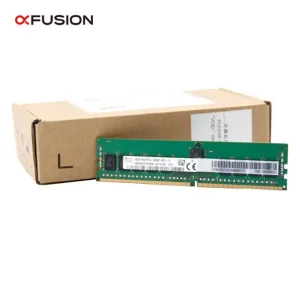
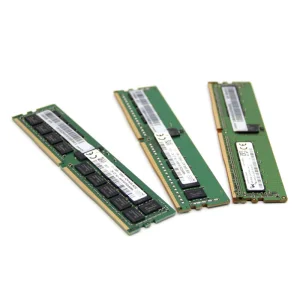
In highly transaction-oriented environments, storage and memory latency are the primary operational bottlenecks. Deploying modern DDR5 RDIMM modules with ECC (Error-Correcting Code), supporting rates up to 6400MHz, prevents systemic database corruption during checkout rushes. The integrated error management corrects micro-level system discrepancies on the fly, preventing transaction drops and system timeouts. A single memory upgrade in local store server clusters can reduce retail ERP latency by up to 40%, optimizing database performance across thousands of connected point-of-sale machines.
| Retail Tech Application | Recommended Server Architecture | Key Compute Performance Metric | Primary Hardware Component Benefit |
|---|---|---|---|
| Computer Vision Shelf Tracking | Edge AI Rack Servers (GPU Enabled) | High Floating-Point Operations Per Second | Real-time image classification and object localization |
| Omnichannel Inventory Sync | High-density Multi-socket servers (e.g., 2488H V6) | Ultra-low transaction query latency | Pre-empts stockouts using localized analytical patterns |
| Frictionless Self-Checkout | 1U/2U Rack Servers with 32GB+ ECC DDR4/DDR5 | Zero-error transaction processing | Prevents POS system memory crashes during extreme spikes |
| Personalized Loyalty Recommendation | Deep Learning Systems (GPU & High Storage) | Parallel data model inference runtime | Optimizes customer engagement instantly at checkout screens |
Operating from the global epicentre of advanced hardware assembly, Aiserveon acts as a primary hub for global server distribution. We leverage strong operational connections to source components directly from silicon fabricators and memory system manufacturers. This structure keeps our hardware costs optimal while maintaining swift customization cycles.
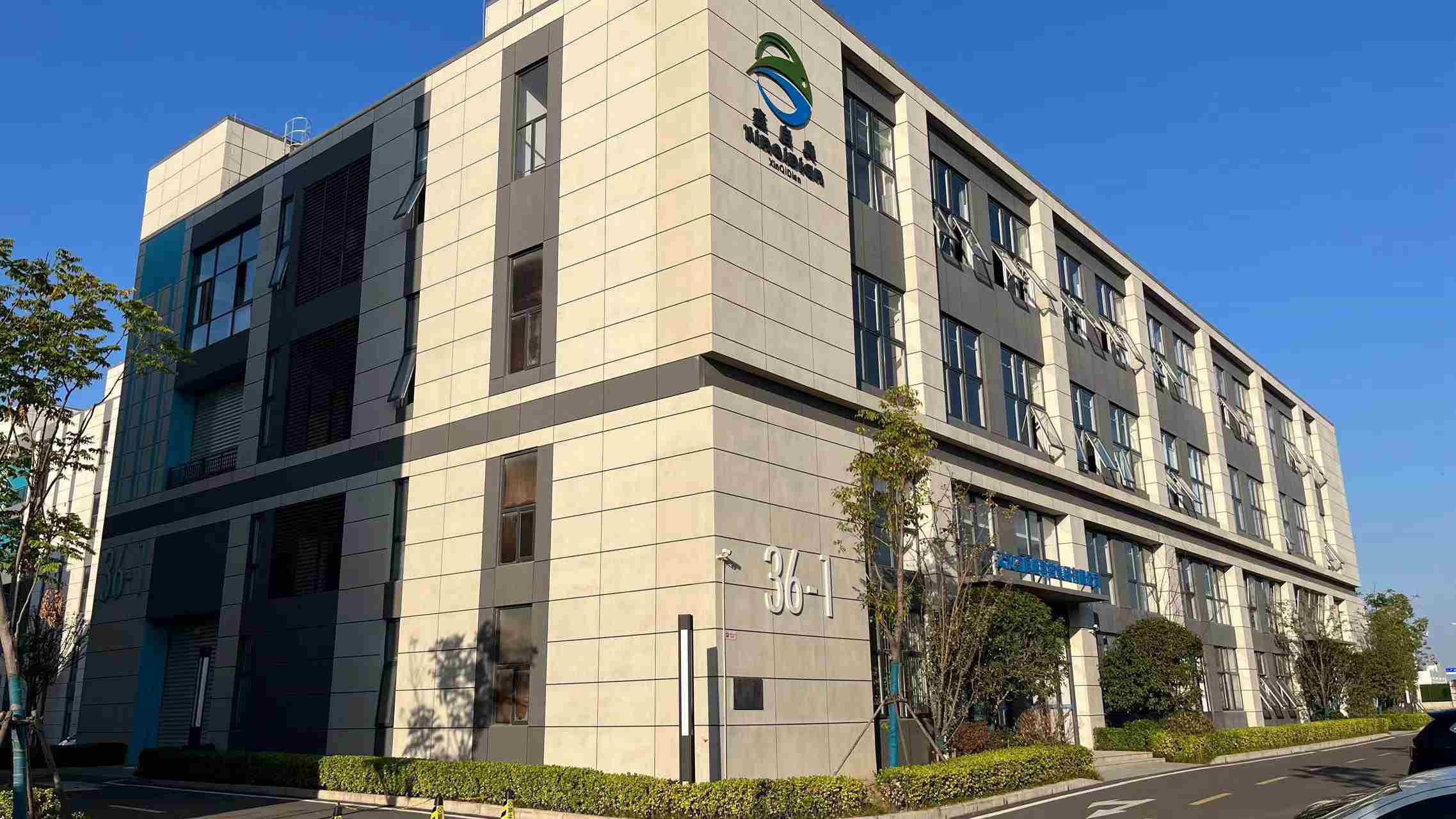
Meeting security benchmarks and operational regulations across international markets.
Exporting high-performance computing components requires rigorous safety compliance. Our production lines maintain certificates for major global destinations, ensuring units safely clear customs processes and seamlessly integrate into enterprise infrastructure.
Retail servers process sensitive customer details, credentials, and financial logs. We configure systems with built-in hardware security features, including TPM (Trusted Platform Module) modules and secure BIOS, preventing unauthorized software access at the store level.
Understanding that physical server failures halt checkout lines and impact bottom-line revenues, Aiserveon designs server chassis with toolless hot-swappable drives, dual-redundant power supplies, and intuitive modular bays, allowing store personnel to swap critical parts without specialized support.
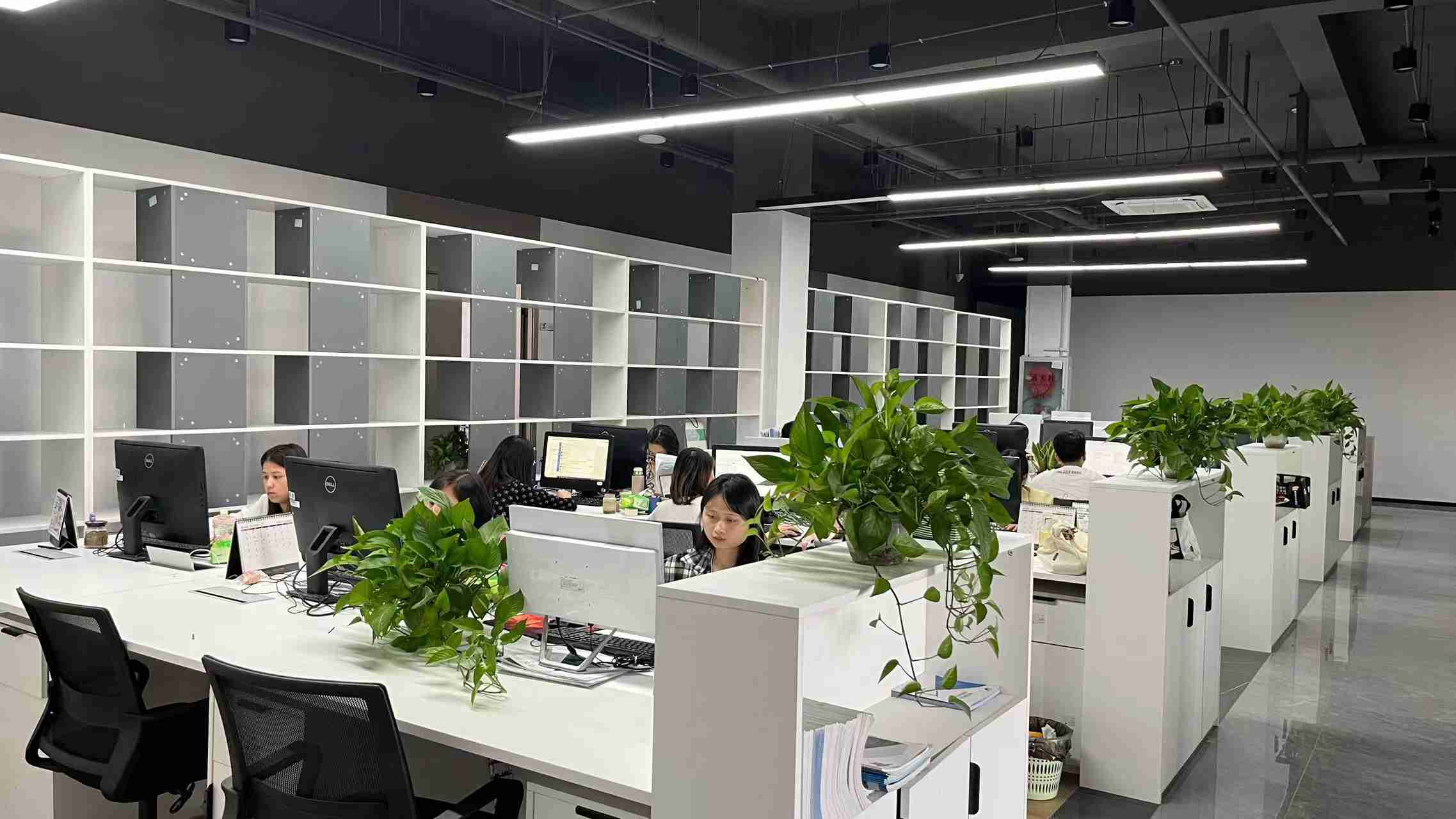
How regional operators and multinational retail brands apply Aiserveon hardware to optimize store floor operations.
A major European grocery distributor installed our xFusion FusionServer 1288H V7 systems at regional distribution centers. By processing automated picking data streams directly at the hub, order routing delay dropped, while warehouse utility consumption improved through the use of 80 Plus Platinum power supplies.
A North American supermarket group deployed localized FusionServer 2288H V7 AI Data Servers with specialized GPU accelerators. The systems analyze video feeds locally, detecting empty spaces and alert inventory software automatically to refill shelves.
A large Southeast Asian convenience store network uses our DDR5 high-frequency memory modules in regional edge datacenters. Real-time buyer loyalty profiles are computed at checkout in under 150ms, helping deliver customized recommendations and increase average transaction values.
Guidance for procurement departments securing computational infrastructure for massive retail footprints.
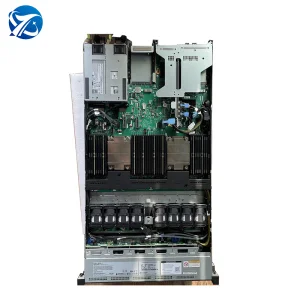
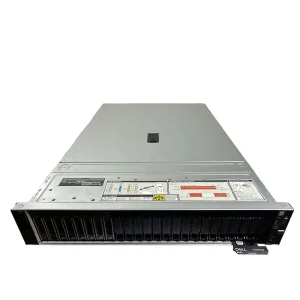
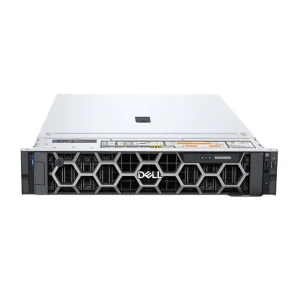
Enterprise procurement teams must look beyond initial hardware acquisition costs. Total Cost of Ownership (TCO) incorporates energy use, hardware lifespans, hardware maintenance requirements, and scalability. Investing in high-performance hardware, such as the Dell PowerEdge R760XD2 or the xFusion 2288H V6, provides structural processing headroom. This extra capacity allows systems to accommodate future software upgrades and expanded database sizes without requiring complete hardware replacement cycles within 3-5 years.
Aiserveon assists global buyers with optimized customization plans. We configure servers with tailored thermal fans and energy-efficient PSUs, matching localized electricity prices and store layout parameters. This strategic focus ensures maximum hardware stability and lower utility bills across broad physical footprints.
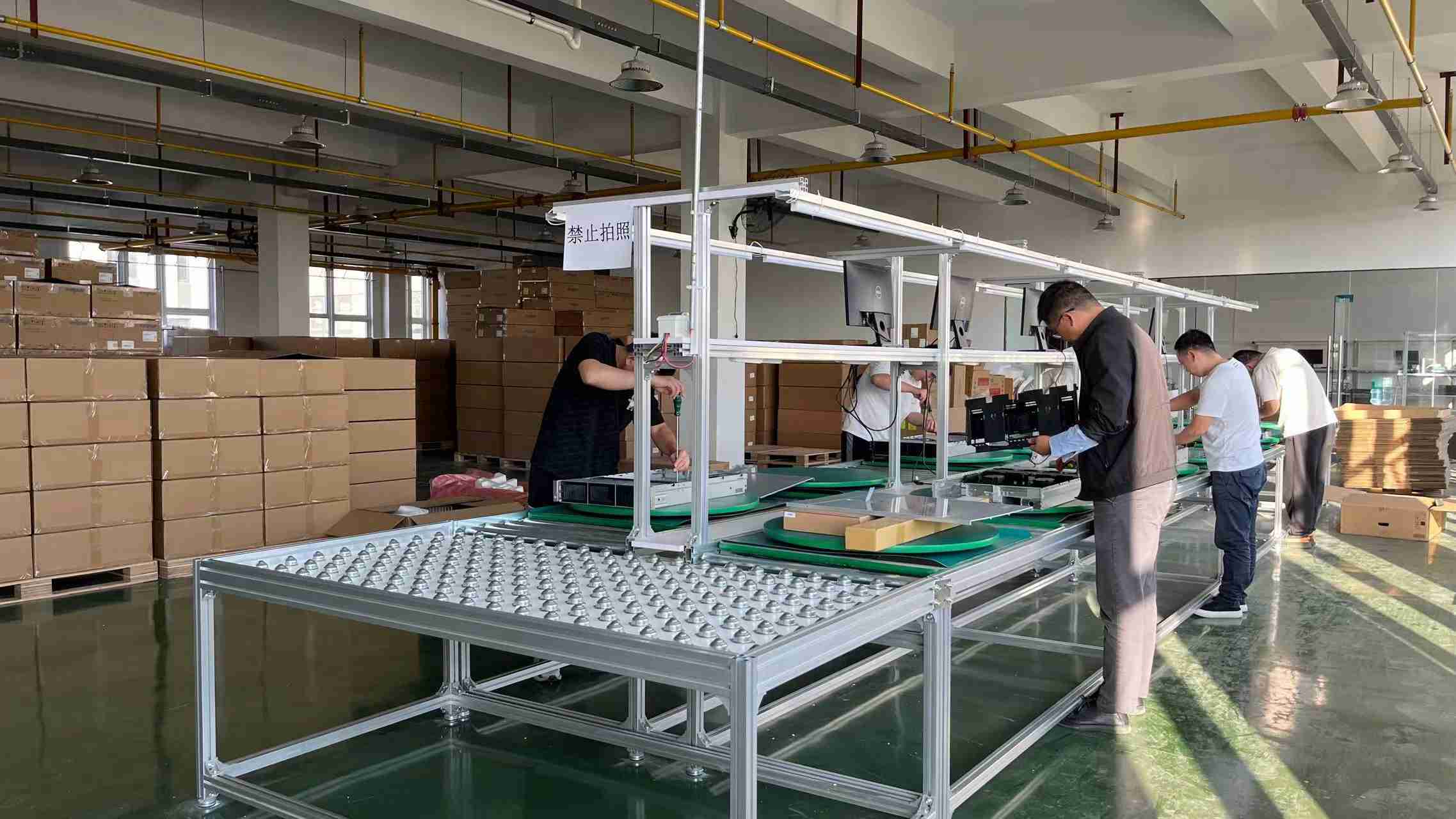
Technical and logistics questions answered by our system engineering team.
Unlike standard consumer PCs, 2U rack servers (like the xFusion 2288H V6 or Dell PowerEdge R760) are engineered for 24/7/365 operations. They feature redundant hot-swappable power supplies, ECC memory protection to prevent data corruption, and robust remote management software (IPMI/iDRAC), allowing IT teams to diagnose and fix store-level issues without visiting the location.
Our engineering team customizes the system BIOS, storage configurations, and drivers before shipment. We run testing environments replicating our clients' software platforms (including specialized Linux setups, Windows Server builds, and virtualization layers) to guarantee plug-and-play installation at retail outlets.
Every single server passes through a multi-stage quality control process: Incoming material checks (IQC), assembly line inspection (IPQC), and a complete burn-in test (FQC) where the system runs under full computing and thermal stress. This ensures all memory modules, SSDs, CPUs, and fans operate correctly before the unit is packed (OQC).
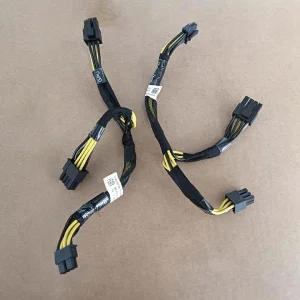
Yes. We construct custom configurations of the FusionServer 2288H V7 AI Data Server and xFusion 2488H V7 systems. We customize internal PCIe layouts and run GPU power cables (like the TR5TP graphic cable) to support card accelerators, optimized for local deep learning, customer visual analysis, and recommendation databases.
Depending on configuration complexity, standard system builds take 2 to 4 weeks. By leveraging our partner network of over 850 suppliers, we maintain stable stocks of critical components like CPUs, memory chips, and server controller boards, ensuring quick turnaround times.
Optimize database speeds, enhance multi-tasking capabilities, and configure system connections with our high-grade memory parts and server infrastructure accessories.