 Aiserveon
Aiserveon
Aiserveon
Explore our high-performance hardware systems optimized for load balancing, traffic distribution, containerized microservices, and AI computing orchestration.
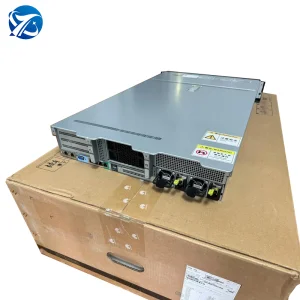
New AI Server Solutions XFusion GPU Server DDR5 64GB RAM, DeepSeek R1 671B & Container Ready Deep Learning Xeon Server
Learn More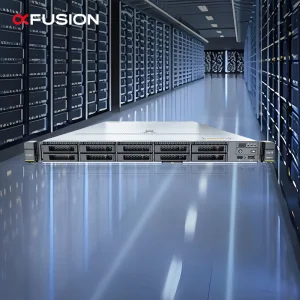
New xFusion FusionServer 1288H V7 Computer Server 4x3.5 Inch Drive Xeon 4410Y 1*32GB 900W PSU 1288H V7 1U 2-socket Rack Server
Learn More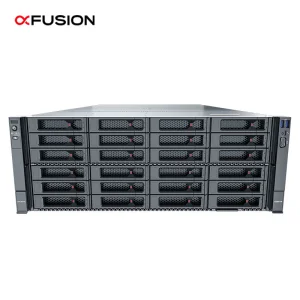
FusionServer xFusion G5500 V6 Servers Computer Nas Servers Ai Huawie Gpu Rack Deep Learning Xeon Server
Learn More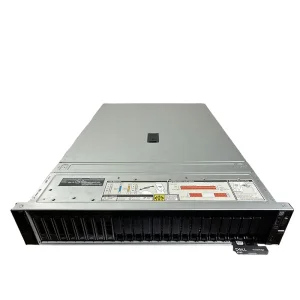
Shenzhen Original dell R760 Intel Xeon Processor Ddr5 Ram 3.84tb Ssd dell Server R760
Learn More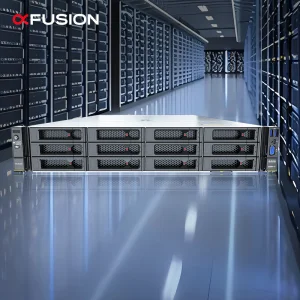
New xFusion 2288H V7 Hyperconverged Infrastructure Server 12*3.5 Inch Drive Xeon 4410Y 64GB 2*10GE 1500W 2288H V7 2U Rack Server
Learn More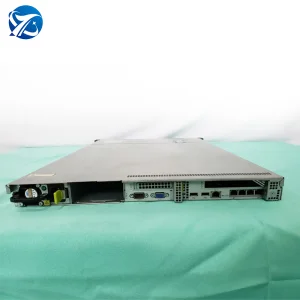
FusionServer 1288H V6 Servers Computer Nas Storage Pc Gpu And Buy Workstations Web Devices Ssd Networks Rack Xeon Server
Learn More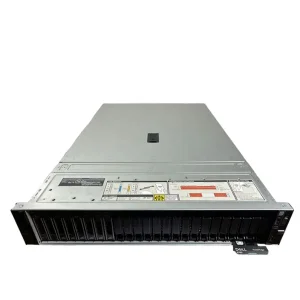
Shenzhen Dell Poweredage R760XS R760 R750 Server Storage High Performance dell Server
Learn More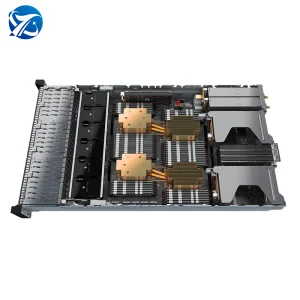
New xFusion 2U Rack Deepseek Cloud Ai 2025 Set Mount Data Storage Nas Network Servers for Sale High Performance Industrial Server
Learn MoreAn in-depth analysis of architectural advancements, traffic management protocols, and infrastructure deployment trends for global data centers.
In modern high-density networking, the role of a hardware-accelerated Load Balancer (Application Delivery Controller - ADC) has migrated from simple round-robin packet forwarding to complex Layer 7 application inspection, SSL/TLS decryption offloading, and dynamic compute orchestration. As global enterprises scale up their AI clusters and Kubernetes containerized workloads, finding the best load balancer factories and exporters in China has become a strategic priority for network architects and procurement leads.
Hardware load balancers serve as the front line of defense and distribution, ensuring high availability (HA), fault tolerance, and zero-downtime operations. Modern China manufacturers, such as Aiserveon, integrate advanced hardware accelerators, multi-gigabit network interfaces (ranging from 10GE to 400GE), and robust, redundant server-class platforms (including x86 and GPU-accelerated computing topologies) to manage multi-terabit traffic flows. This combination of pure network load balancing and intensive processing power is critical for modern compute demands, where traffic management and compute efficiency are intrinsically linked.
Understanding the transition to SmartNICs, GPU-offloaded Layer 7 parsing, and dynamic LLM traffic routing.
Traditional CPU-bound packet analysis is moving toward hardware offloading via Smart Network Interface Cards (SmartNICs) and Data Processing Units (DPUs). By executing virtual routing, switching, and firewall policies directly at the silicon level, latency is reduced to sub-microsecond levels while freeing up main CPU cycles for application logic.
With the rise of Large Language Models (LLMs) like DeepSeek, Llama, and GPT variants, load balancers must execute context-aware routing based on prompt length, token budget, and KV cache utilization. Modern ADCs route queries intelligently to specific GPU worker nodes based on real-time VRAM availability.
Modern load balancers are now expected to serve as the perimeter gateway. This demands hardware-level SSL/TLS decryption (offloading cryptographical compute from backend application servers), Web Application Firewall (WAF) integration, and mitigation protocols for massive distributed denial-of-service (DDoS) attacks.
Key hardware requirements, interface specifications, and mechanical parameters that IT directors prioritize.
Deployments prioritize standardized 1U or 2U rackmount form factors. System designers must ensure that these form factors pack redundant power supplies, hot-swappable fans, and modular expansion slots (such as PCIe Gen 5) to guarantee continuous uptime and simplified maintenance.
To support high concurrent user bases, backend clusters require ports capable of handling up to 100GbE/200GbE per link, with low packet drop rates under sustained line-rate stress testing. High-grade hardware transceivers must be integrated directly into the chassis.
Sourcing standards require dual, titanium-grade hot-swappable Power Supply Units (PSUs), hardware watchdog timers, and dedicated out-of-band management controllers supporting IPMI 2.0 and Redfish APIs for remote diagnostics.
How specialized enterprise clusters are optimized for latency, resilience, and maximum data throughput.
Cloud-Scale Containerized Orchestration: In microservice deployments powered by Kubernetes, hardware load balancers function as the high-capacity external Ingress controller. They terminate incoming SSL/TLS tunnels, execute Layer 7 URI routing, and pass traffic to virtual internal network endpoints. High-performance computing nodes, such as xFusion or Dell PowerEdge servers, act as the underlying worker nodes processing these requests.
AI Inference and Compute Clusters: AI model inference is notoriously compute-intensive and sensitive to latency. By placing high-performance load balancers at the entry point of the GPU cluster, organizations can dynamically load-balance token generation requests. The load balancer analyzes the specific processing requirements of incoming prompts, directing them to the most efficient GPU nodes—such as the XFusion GPU Server optimized for DeepSeek architectures—ensuring maximum hardware utilization and minimizing response latency.
Financial & High-Frequency Services: For banking, transaction, and high-frequency trading platforms, data consistency and absolute reliability are paramount. Here, load balancers must support sub-millisecond failover loops. Using VRRP (Virtual Router Redundancy Protocol) or stateful session synchronization, the secondary standby load balancer takes over active sessions instantaneously if the primary node encounters a hardware fault, ensuring zero lost packets.
Aiserveon Intelligent Computing Tech Co., Ltd. is a premier manufacturer and global OEM/ODM exporter of server-class network infrastructure and high-performance computing hardware.
Aiserveon Intelligent Computing Tech Co., Ltd. is a professional AI server and intelligent computing infrastructure manufacturer focusing on high-performance GPU servers, AI clusters, and data center solutions. Operating under the brand Aiserveon, the company has built a strong reputation in global AI computing hardware supply chain integration and customized server manufacturing.
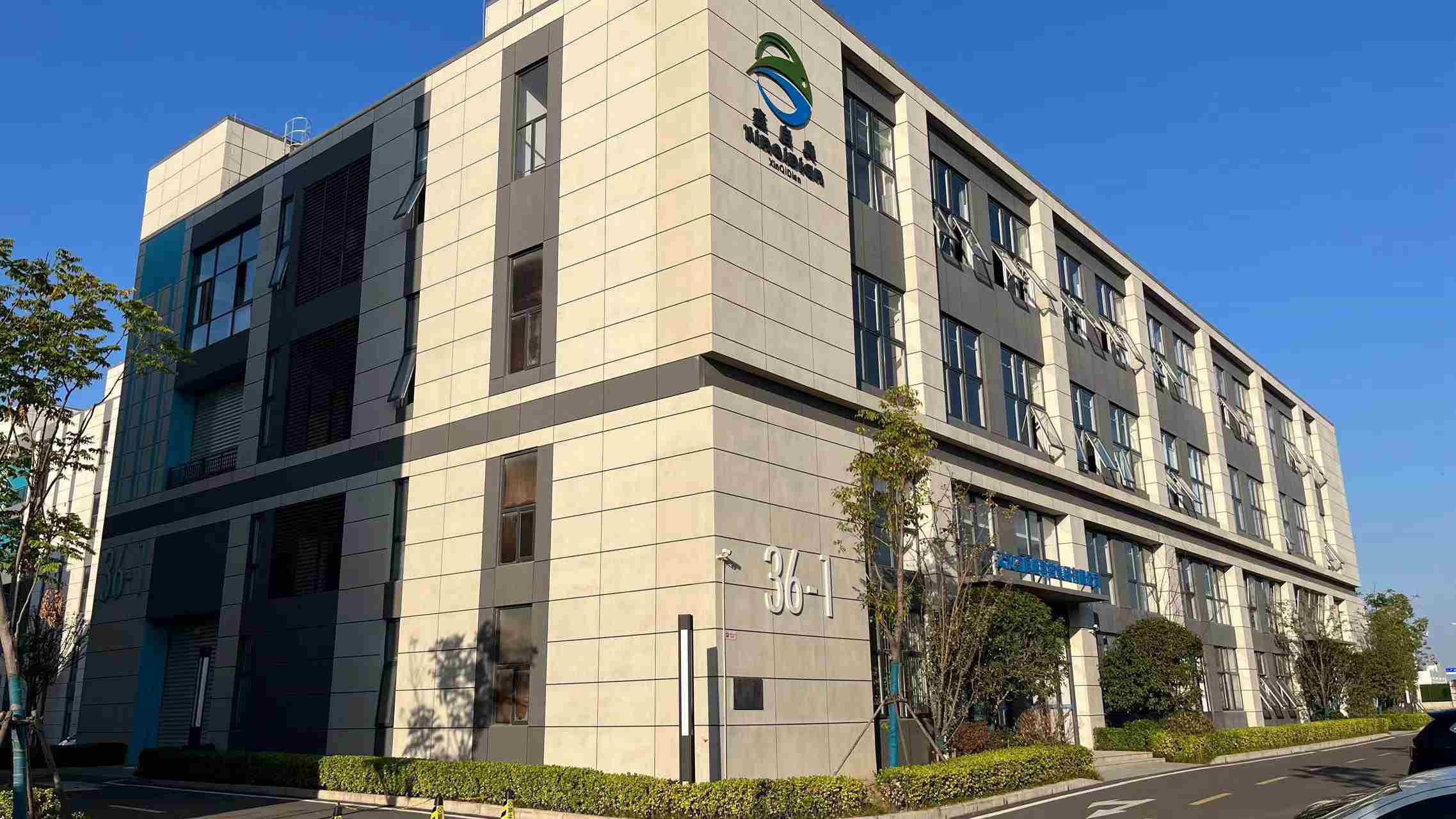
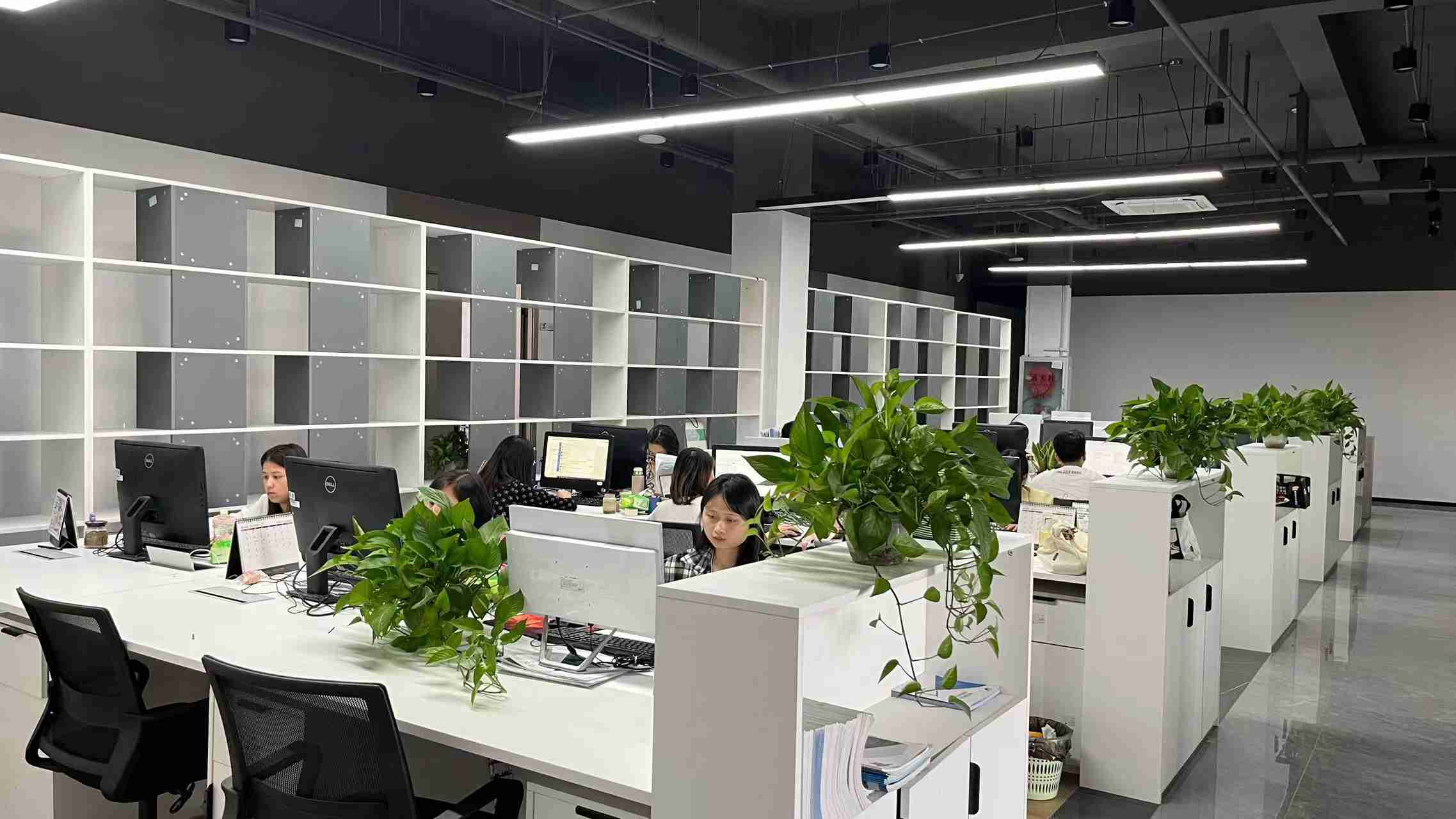
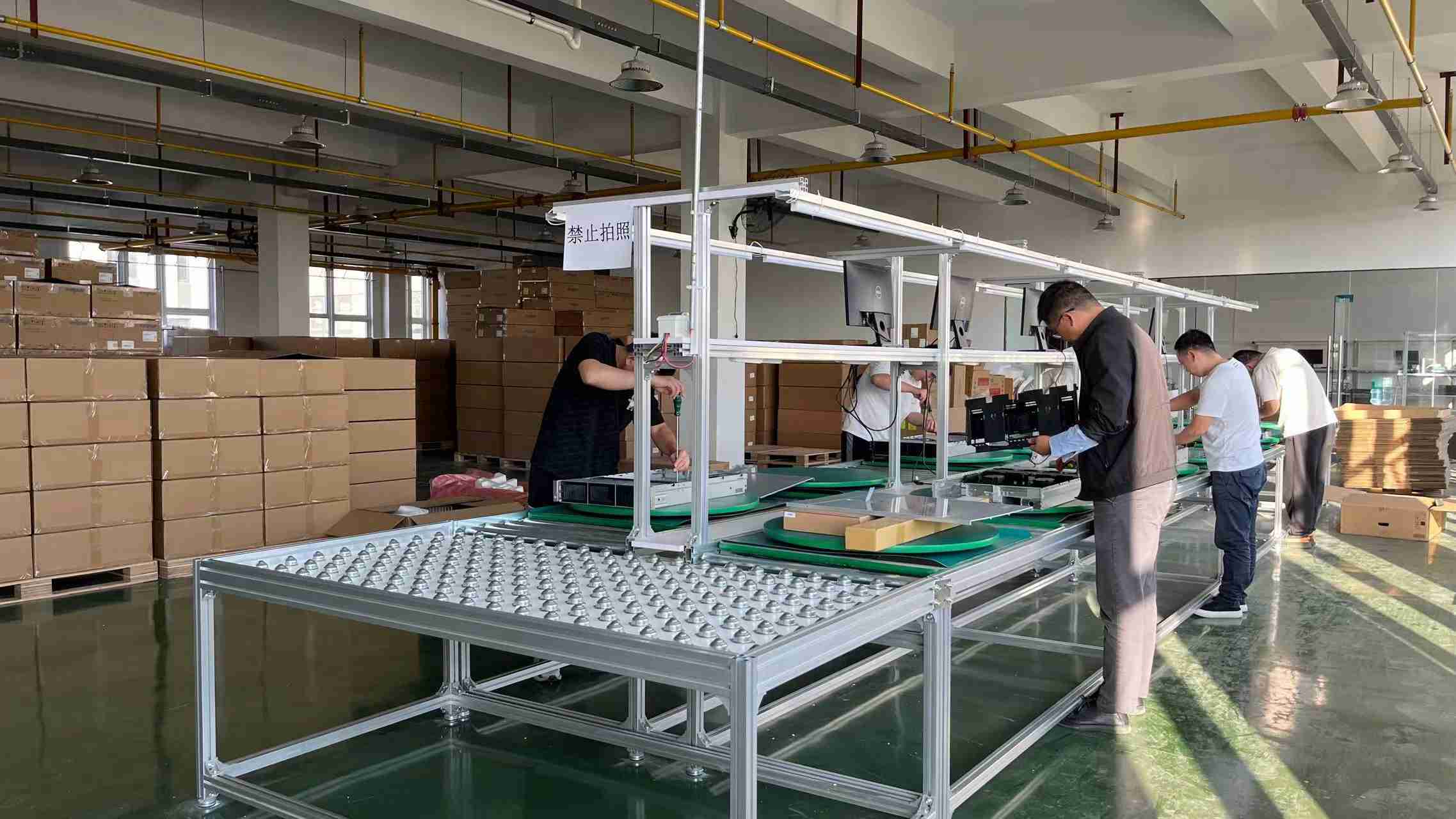
Our operational infrastructure spans a highly specialized 320 m² headquarters and integrated manufacturing lines. By partnering with over 850 upstream and downstream component vendors, we ensure stable material sourcing even during global hardware shortages. This agile supply chain allows us to release up to 120 new models and iterative hardware upgrades annually, keeping our enterprise clients at the absolute cutting edge of network and computing performance.
A look inside our advanced manufacturing facility, assembly lanes, and testing infrastructure.
How we ensure 100% operational reliability and compliance with international standards.
To operate reliably in high-stress data center environments, all network appliances and compute nodes must pass through a strict multi-tier quality assurance protocol. Aiserveon employs 45 professional quality control staff members who oversee our comprehensive testing methodology:
Our testing methodologies utilize AQL (Acceptable Quality Limit) sampling, combined with 72-hour full-load burn-in testing, thermal stability chamber validation (ranging from -10°C to 65°C), and automated throughput stress testing to simulate high-concurrency enterprise traffic scenarios. This guarantees that our load balancers, server clusters, and network components ship with full traceability management and close to 0% RMA (Return Merchandise Authorization) rates.
Where enterprise load balancing and high-density computing hardware is heading by 2030.
PCIe Gen 6 and Beyond: Next-generation hardware platforms will adopt PCIe Gen 6 and Gen 7 system buses, doubling the bandwidth available to add-on cards. This will enable load balancing nodes to support 400G and 800G network interfaces with minimal CPU overhead, processing billions of packets per second.
Liquid Cooling Integration: As computing density increases, liquid-to-air and direct-to-chip liquid cooling systems are replacing standard air fans. Future revisions of 1U/2U load balancing configurations will support quick-release dry-break couplings for integration into enterprise liquid-cooled loops, reducing overall power usage effectiveness (PUE) metrics.
Hardware-Enforced Cryptography: Upcoming designs focus heavily on embedding physical TPM 2.0 modules and secure boot protocols to prevent firmware tampering. Advanced silicon-level encryption chips will execute hardware-accelerated TLS 1.3 handshakes, ensuring zero processing lag even under intense cryptographic validation demands.
Answering key architectural and logistical questions for international procurement teams.
Choose from our premium hardware list to complete your network topology and ensure robust cluster scaling.
Wholesale xFusion xFusion 1288H V7 High Reliability and Security Servers Ai Huawie Gpu Rack Deep Learning Xeon Server
Learn More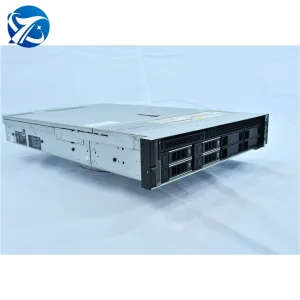
PowerEdge R760XS Computer Server 2U 2-socket Rack Server Network Server R760XS
Learn More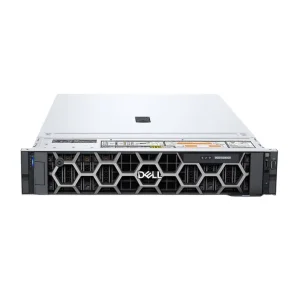
Shenzhen dell R760 PowerEdge R760 Rack Server R760 dell
Learn More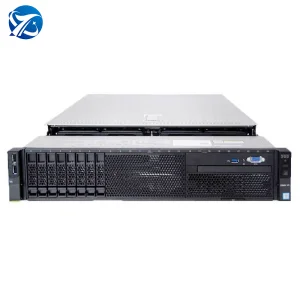
New xFusion Fusionserver 2288H V6 Computer Servers 12x3.5-inch Driver Server 2288H V6 2U 2-socket Rack Server
Learn More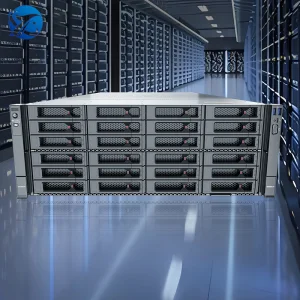
Wholesale xFusion G5500 V7 Multi-GPU AI Server XFusion DDR5 64GB RAM, DeepSeek R1 Optimized For Data Centers
Learn More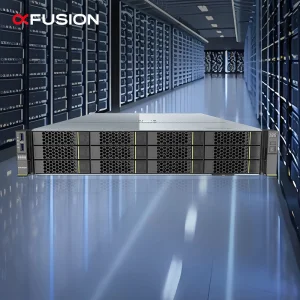
New Hot Selling xFusion Fusionserver 2288H V5 8*2.5 Inch Driver 2288H V5 2U 2-socket Network Rack Server
Learn More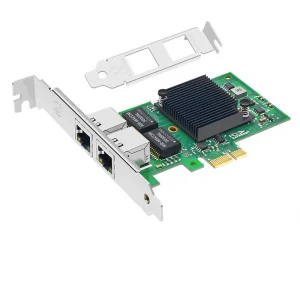
XC170-M-8i - (SAS3808iMR) - SAS/SATA RAID Cable Card-RAID0,1,10-12Gb/s-no Cache Compatible Array Card with XFusion Server
Learn More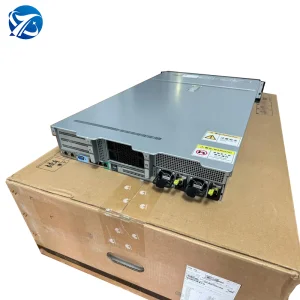
New xFusion Fusionserver 2288H V5 2U 2-socket Computer Servers 12*3.5 Inch Drive 2288H V5 2U 2-socket Rack Server
Learn More