Aiserveon
Aiserveon
Aiserveon
High-performance network adapters and custom hardware solutions optimized for next-generation computing environments.
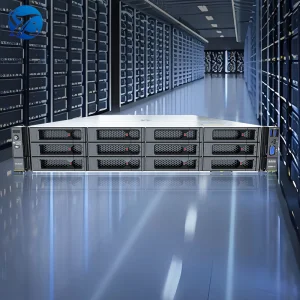
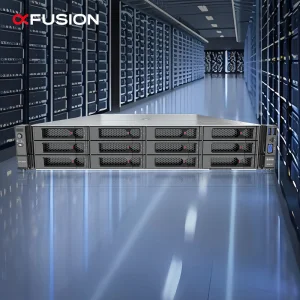
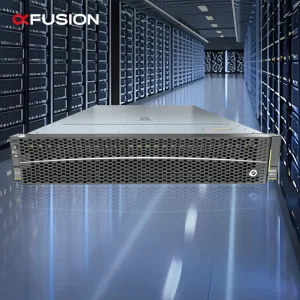
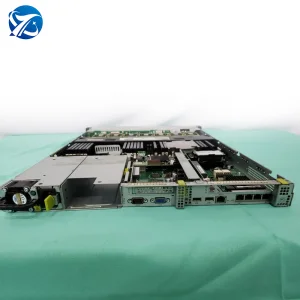
Aiserveon Intelligent Computing Tech Co., Ltd. is a leading global manufacturer and exporter specializing in high-performance artificial intelligence (AI) servers, specialized smart Network Interface Cards (NICs), and next-generation storage accelerators. Registered in 2016, our enterprise operates with a deep legacy of 12 years of industry experience, serving the global demand for latency-critical network equipment, advanced compute clustering, and customized cloud hardware integrations.
Under our flagship brand, Aiserveon, we serve as the critical infrastructure backbone for cloud service providers, enterprise data centers, AI research institutes, and technology system integrators. By combining raw manufacturing efficiency with comprehensive custom hardware capabilities, we deliver high-density server units and PCIe-based network devices designed to handle the most intensive deep learning, computing, and high-frequency data processing workloads.
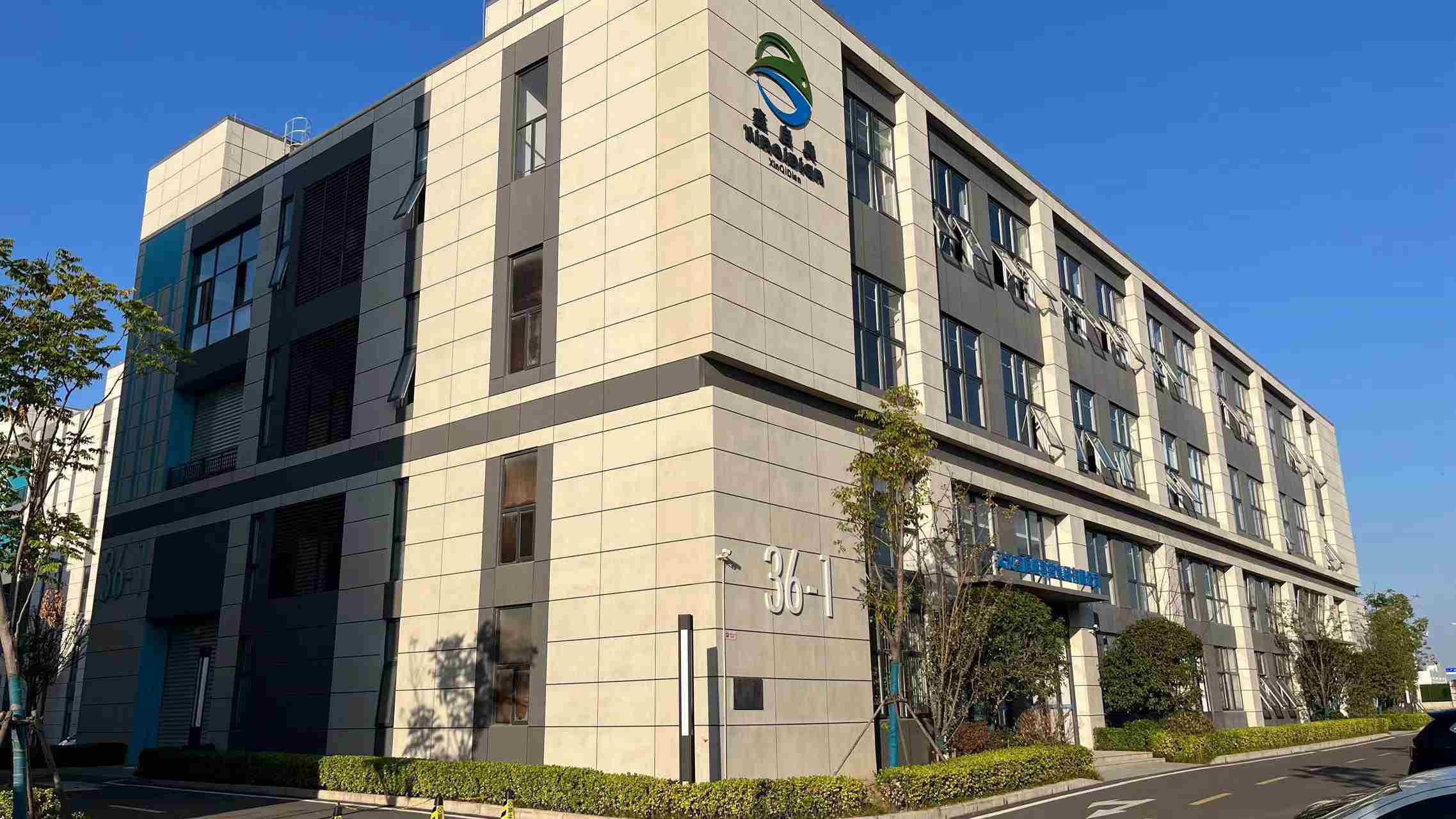
A technical examination of network interfaces, CE compliance, global scaling barriers, and hardware architectural roadmap.
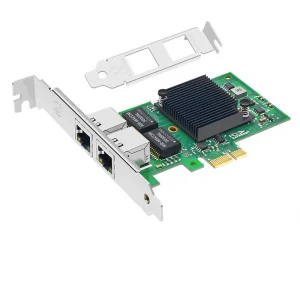
The global demand for bandwidth-intensive data processing has pushed legacy network cards past their structural limits. With the advent of deep learning architectures, Large Language Model (LLM) training paradigms, and edge-native workloads, network interfaces are no longer passive transceivers. Modern PCIe-based Network Interface Cards (NICs) serve as offload processors capable of optimizing packet traffic, handling direct memory access (DMA), and securing critical endpoints.
Industries ranging from telecom networks, algorithmic high-frequency trading (HFT), to massive server farms require reliable, low-latency adapters. In these settings, standardizing hardware is a top priority. Deploying non-certified or under-engineered networking cards risks service disruption, packet collision, and compliance failures in sensitive jurisdictions like the European Union. By emphasizing CE Certified Network Cards, enterprise buyers secure reliable data flow while adhering to strict electromagnetic compatibility (EMC) regulations, shielding high-density server components from reciprocal electronic noise.
The technology roadmap for enterprise-grade network cards centers on shifting processing workloads from central CPU nodes directly to the network interface card:
Optimized with hardware-level RoCE v2 stack implementation, bringing round-trip latency down to sub-microsecond thresholds for high-volume database reads.
Fully compliant with EU EMC Directive 2014/30/EU, shielding adjacent computing systems from EMI interference under sustained data loads.
Complete protocol offloads for TCP, UDP, NVMe-oF, and VXLAN, freeing CPU cycles for application layer computing tasks.
Operating from China's primary high-tech electronic manufacturing hub in Shenzhen, Aiserveon combines proximity to upstream semiconductor partners with refined production workflows. With a collaborative network of approximately 850 upstream and downstream partners, we handle sudden shifts in global component availability with agility. Our 12 years of industry experience allow us to source critical parts like high-speed PHY chips, controller ASICs, and multi-layer PCBs from vetted suppliers, maintaining steady production timelines even during global semiconductor supply tight spots.
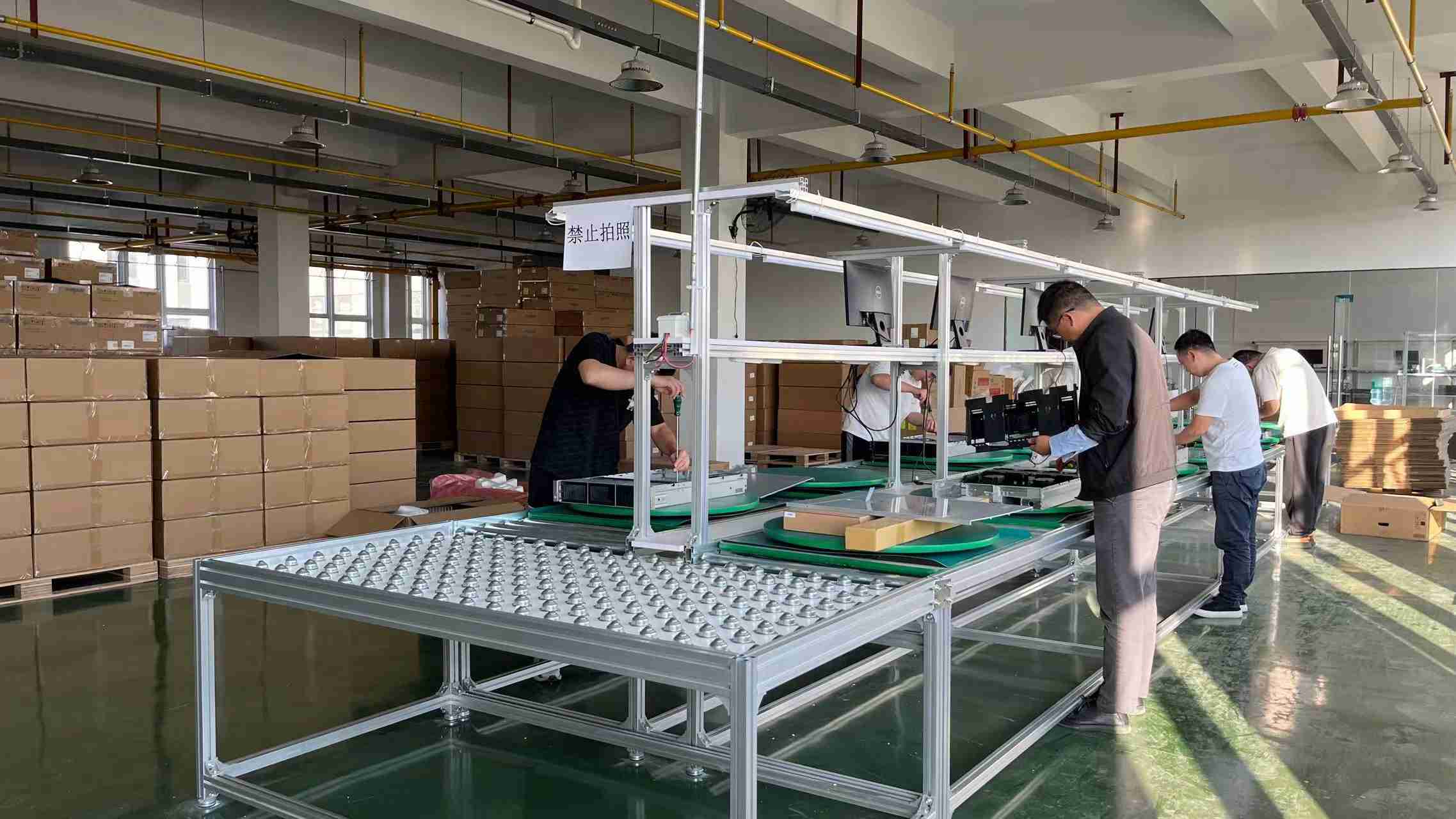
Our facility handles small-batch custom engineering alongside high-volume OEM/ODM runs. From PCB SMT assembly and thermal management design to customized BIOS/firmware development, we integrate every phase of manufacture. This keeps our production flexible and efficient, helping global enterprises deploy tailored networking hardware without long lead times.
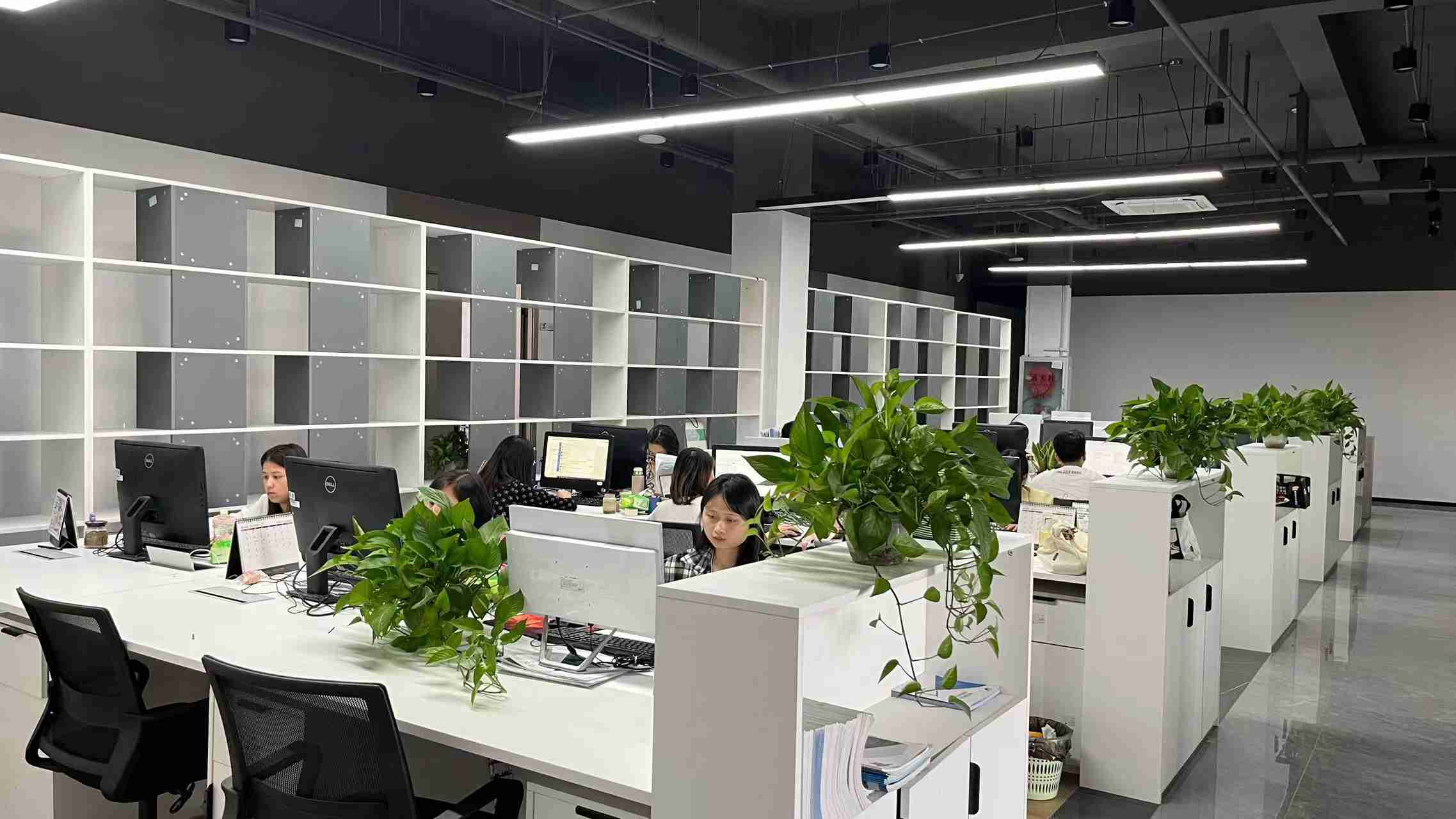
How our CE Certified network interface cards optimize modern computing environments across different regions.
In AI server clusters (such as those running multi-GPU setups or optimizing deep learning models), our network cards provide high-speed fabric channels. They support massive multi-node training runs by preventing bottlenecking during parameter aggregation phases.
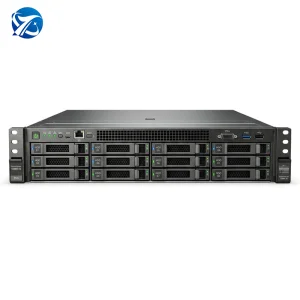
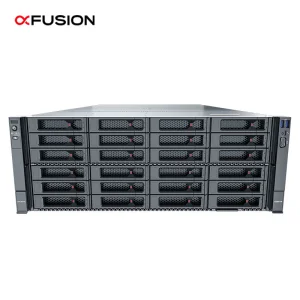
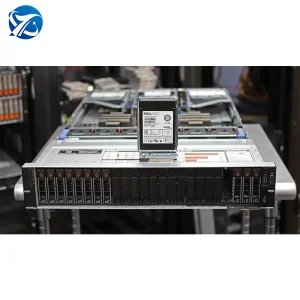
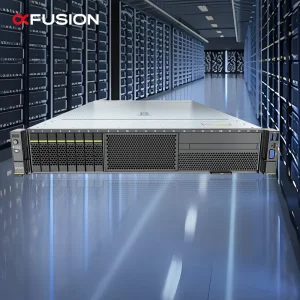
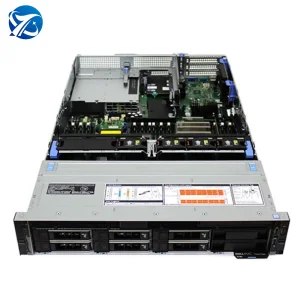
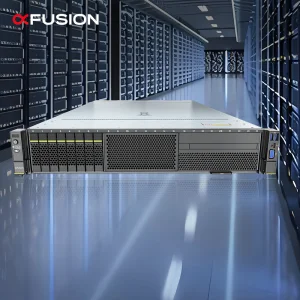
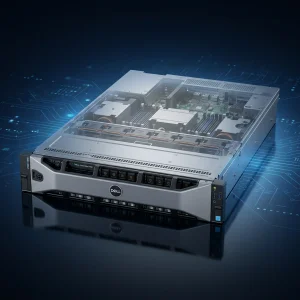
Designed to fit smoothly into standard rack infrastructure, like Dell PowerEdge (R740, R750, R760, R960) and xFusion FusionServer models. These cards maintain throughput and system compatibility for large virtual machine arrays.
For outdoor and edge server stations with strict space and power limits, our compact network cards deliver high throughput with minimal power draw, operating reliably in wide temperature ranges.
Quality assurance at Aiserveon is handled by a dedicated 45-member QC team using a multi-stage inspection process. Each network card passes through IQC (Incoming Quality Control), IPQC (In-Process Quality Control), FQC (Final Quality Control), and OQC (Outgoing Quality Control). We use advanced diagnostics to confirm that every board meets international standards before shipping:
Network cards are subjected to continuous full-load network traffic tests under elevated thermal states. This forces early failures of substandard components before packaging, keeping field failure rates below 0.1%.
Utilizing high-frequency oscilloscopes, we map signal integrity across high-speed PCIe lanes and optical cages to ensure jitter, attenuation, and insertion loss remain well within IEEE specifications.
Answering vital technical and logistical questions for global buyers, procurement specialists, and network engineers.
CE certification proves that networking hardware meets the EU's strict health, safety, and environmental protection standards. For high-frequency network cards, compliance with the Electromagnetic Compatibility (EMC) Directive 2014/30/EU is crucial. It ensures the NIC won't disrupt neighboring components in a server chassis (such as RAID controllers or GPU modules) and is shielded against incoming electromagnetic interference.
RDMA over Converged Ethernet version 2 (RoCE v2) allows direct memory access between GPUs across different network nodes without routing packets through the host CPU. By bypassing the kernel networking stack, it significantly reduces latency and overhead. This speed is vital for distributed training frameworks (like PyTorch FSDP or Megatron-LM), where GPU nodes must exchange model weights and gradients rapidly to avoid compute idling.
Our 85-engineer R&D team offers comprehensive customization. This includes custom PCB layout design, dual or quad-port configurations, specialized heatsinks for low-airflow servers, unique BIOS/UEFI firmware identifiers, custom MAC address pools, and branded metal brackets. We also support specialized driver development for niche operating systems and kernel distributions.
Our 45-person quality control department manages four key stages: IQC checks raw components (ASICs, PCBs, oscillator chips); IPQC monitors assembly on the SMT lines; FQC conducts full-load burn-in, automated loopback testing, and performance stress validation; and OQC performs final AQL sampling before shipping. This process is fully traceable, allowing us to track any card's manufacturing history down to the original component batch.
Aiserveon maintains direct partnerships with over 850 upstream component suppliers. We secure allocations of critical chipsets well in advance and keep raw inventory buffers of passive components, connectors, and PCB substrates. This proactive material planning ensures steady lead times even when global markets experience component shortages.
Expand your data capabilities with our broad range of high-throughput servers, array controllers, and enterprise storage drives.