Aiserveon
Aiserveon
Aiserveon
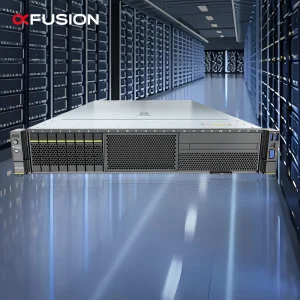
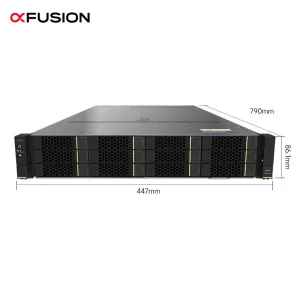
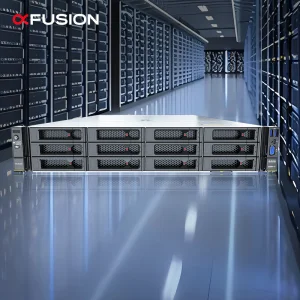
High-density computing servers optimized for DeepSeek training, local AI inference workloads, and hyperconverged architectures.
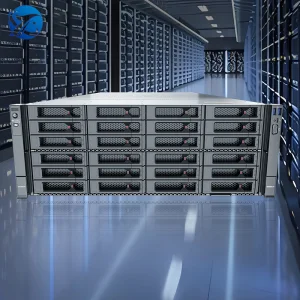
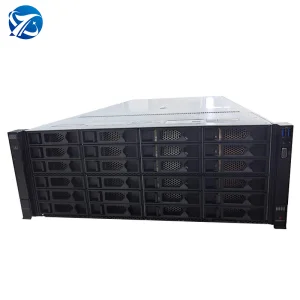
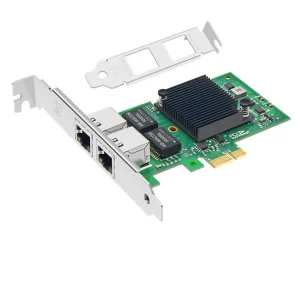
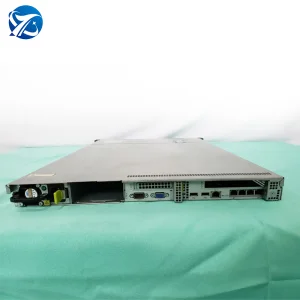
The global enterprise computing landscape is undergoing a massive architectural shift. While the early 2010s were dominated by a headlong rush to public cloud environments, modern enterprises are discovering that a purely public infrastructure model presents challenges regarding data sovereignty, unpredictable ingress/egress costs, latency constraints, and performance bottlenecks. The rise of large language models (LLMs) and advanced AI systems like DeepSeek R1 has further accelerated the demand for CE-certified hybrid cloud deployments that combine the elasticity of the public cloud with the security, predictable pricing, and high throughput of on-premises bare-metal components.
In dynamic industries such as medical diagnostics, financial algorithmic trading, automotive simulation, and edge-native manufacturing, reliance on external public data centers introduces latency metrics that impede real-time execution. A hybrid model allows companies to run continuous baseline processing on local high-performance GPU and NAS storage units, bursting to public nodes only when transient scale-ups are necessary. However, constructing a stable, scalable, and legally compliant hybrid stack requires components that adhere to stringent regulatory frameworks.
According to global industrial research, enterprises implementing CE-certified hybrid cloud infrastructure realize an average 35% decrease in Total Cost of Ownership (TCO) over a 36-month amortization cycle compared to pure-play public clouds. This is driven by eliminating high-frequency egress data charges and optimizing the utilization profile of on-prem chassis running custom bare-metal hypervisors.
Within the European Economic Area (EEA) and global markets aligning with European standards, CE Certification (Conformité Européenne) is a critical safety and compliance requirement. It is a mandatory conformity marking for products placed on the market, signifying that the system meets stringent European safety, health, and environmental protection requirements.
For enterprise GPU servers, multi-socket rack devices, and high-density NAS arrays, CE compliance addresses several critical layers of mechanical and electrical engineering:
Sourcing hardware from suppliers without verified CE certifications introduces compliance risks and exposes data centers to insurance voids, operational shutdowns, and catastrophic power failures.
Our integrated manufacturing facility blends R&D, strict compliance validation, and multi-stage automated stress testing.
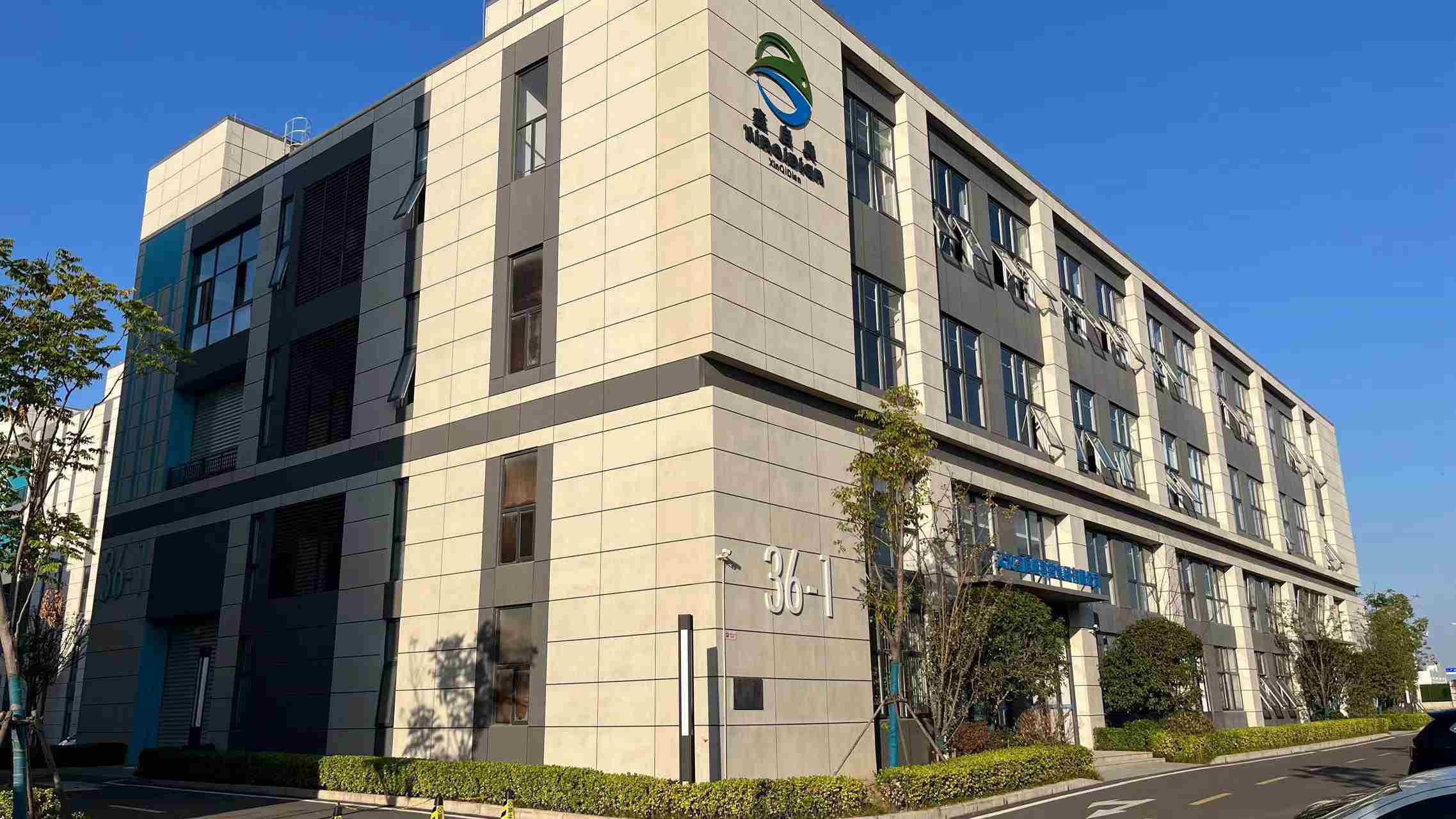
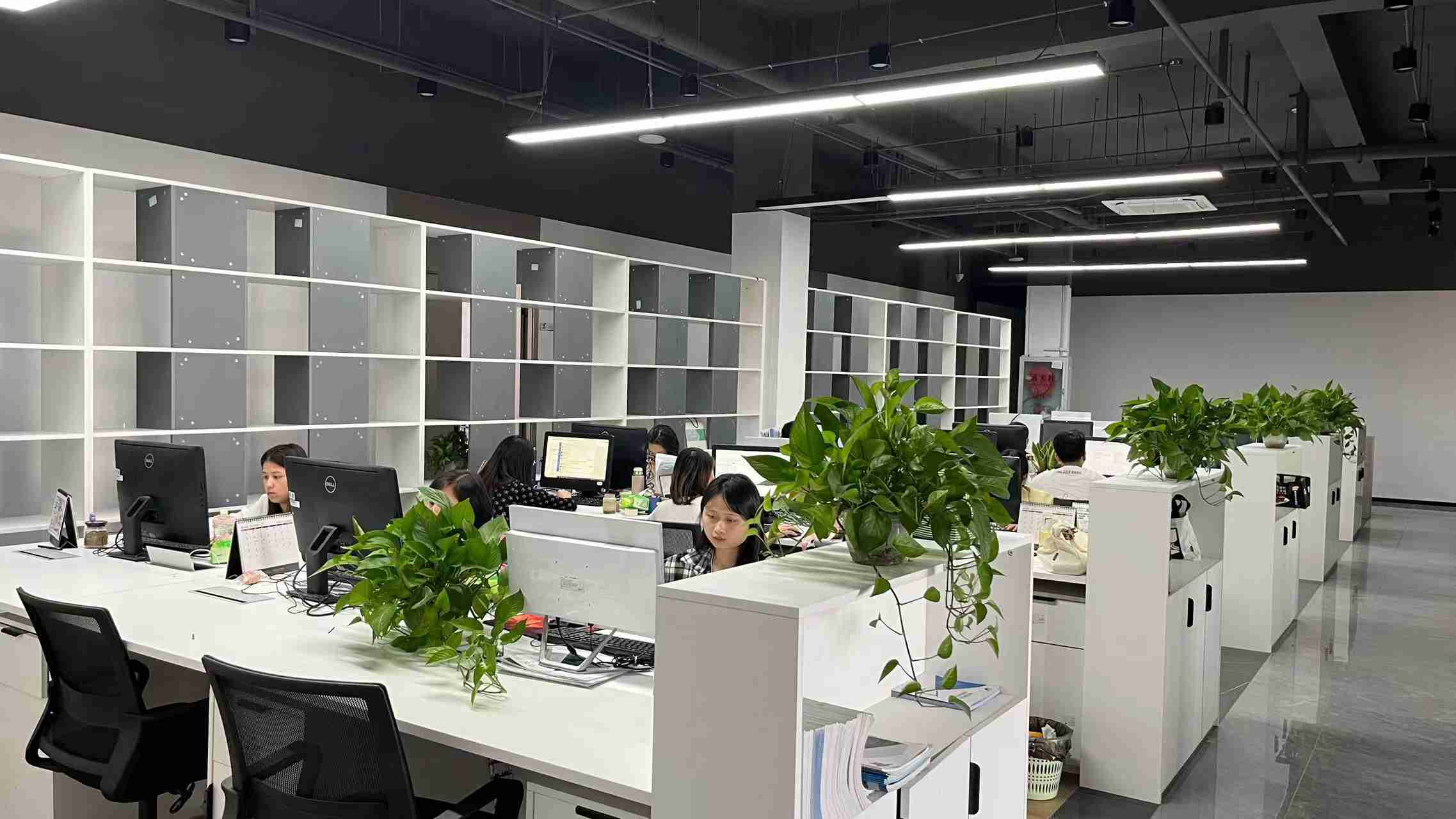
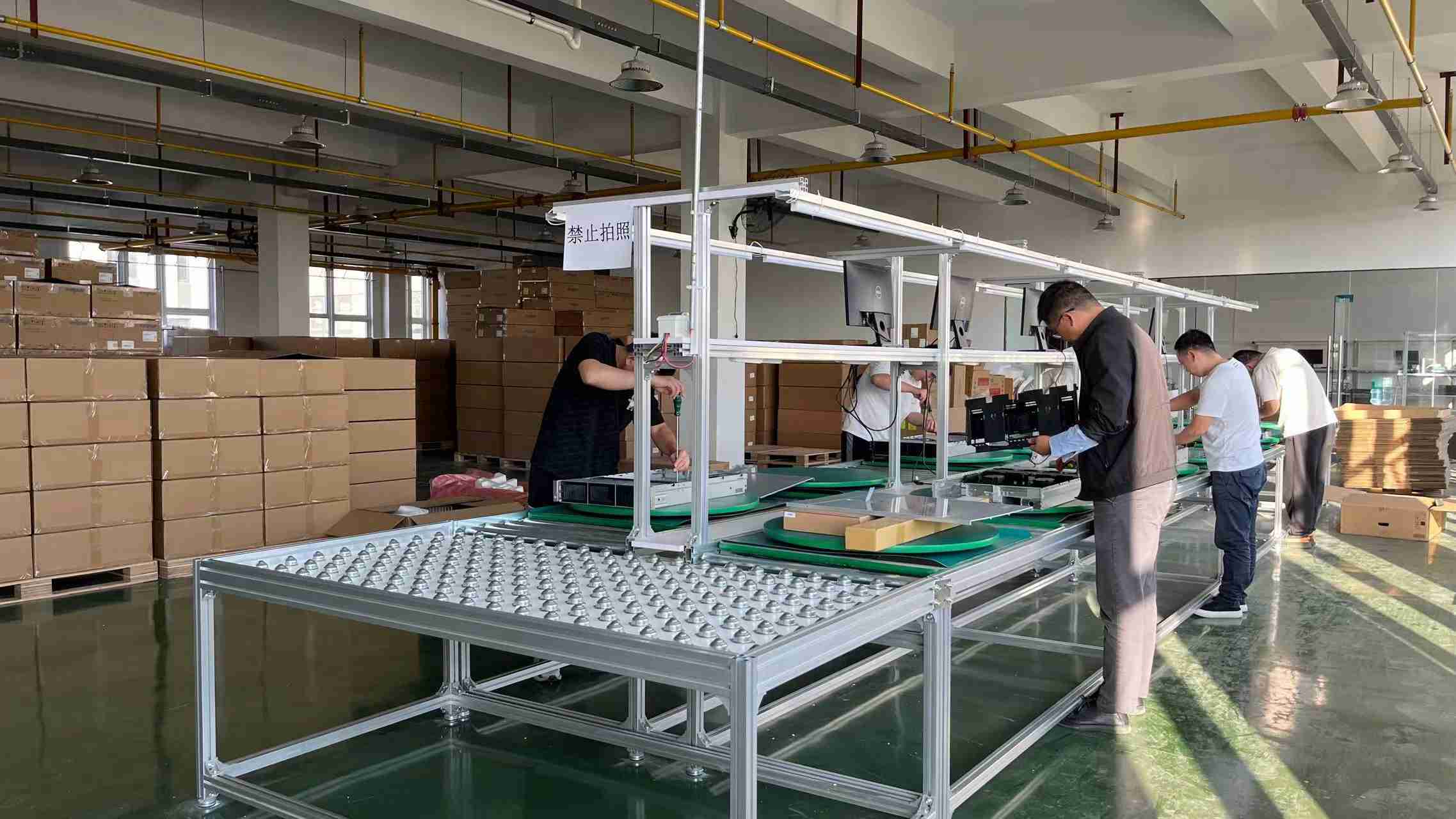
Operating under the globally recognized brand Aiserveon, we have established ourselves as an industry-leading OEM/ODM manufacturer. We specialize in high-performance GPU servers, hyperconverged cloud setups, and custom data center solutions. With 12 years of industry experience and 6 years of global export history, we build high-capacity computing devices tailored for complex workloads like deep learning, neural network inference, and big-data storage.
In computational hardware manufacturing, reliability is paramount. A single faulty capacitors or sub-optimal thermal paste application can compromise entire clusters. Our factory uses a traceable four-stage testing system:
Additionally, our systems undergo AQL sampling inspection, full-load thermal burn-in testing, and automated performance stress testing to guarantee zero-defect deployment upon arrival.
Modern hybrid cloud deployments depend on a highly integrated hardware-software stack. We construct our systems to serve as robust physical bases for hyperconverged software-defined storage (SDS) and container orchestration engines like Kubernetes (K8s). Below are key components of our design philosophy:
Support for multi-GPU arrays (e.g., NVIDIA H100, L40S, or cost-effective custom units) optimized for DeepSeek-R1 inference workloads, offering ultra-low latency inter-GPU communication via PCIe Gen5 bridges.
Integrating computing power and network-attached storage (NAS) on a single platform. High-performance controllers like the 9540-8i RAID PCIE 4.0 card allow smooth data path redundancy.
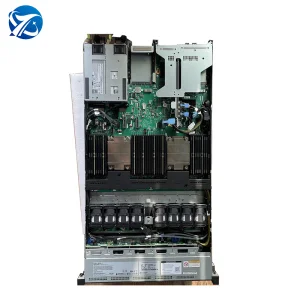
Efficient airflow pathways with redundant hot-swappable cooling fans. Designed for continuous thermal stability under heavy computational loads without throttling.
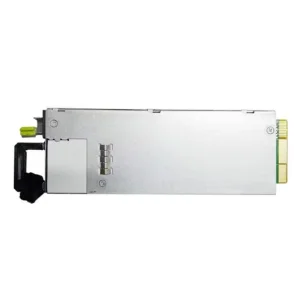
To ensure our hardware functions seamlessly in multi-platform setups, we cooperate closely with leading technology vendors. We integrate advanced power modules, such as Platinum 900W, 1500W, and 2000W AC PSUs, which operate at up to 94% efficiency. This lowers operating temperatures and reduces electricity costs for high-density setups.
Additionally, our systems feature robust BIOS optimizations, IPMI 2.0 system management for remote monitoring, and compatibility with industry-standard hypervisors (VMware vSphere, Proxmox VE, Microsoft Hyper-V, and OpenStack). This ensures that whether you are deploying xFusion or Dell-compatible architectures, they fit cleanly into your existing management dashboard.
Aiserveon's computing infrastructure is deployed globally, powering critical IT services for diverse client types:
Building high-density computing clusters configured with multi-core CPUs and optimized cooling to accelerate deep learning model training and big-data processing.
Providing flexible bare-metal foundations for regional public clouds, enabling robust multi-tenant environments with secure physical partitioning.
Supplying customized systems that balance processing power, fast NVMe-based network storage, and reliable hardware security features.
From healthcare systems running local AI diagnostic workloads to secure financial transaction processing platforms, our engineering team works with your IT staff to design and validate systems matching your specific hardware requirements.
Operating in international markets requires not only high-quality manufacturing but also robust supply chain logistics. At Aiserveon, we maintain strong working relationships with over 850 hardware component manufacturers worldwide. This allows us to secure components, reduce lead times, and maintain stable pricing during fluctuations in the global semiconductor market.
We offer comprehensive OEM/ODM services, including:
Our international shipping team manages export documentation, customs clearance, and secure packing procedures, ensuring all shipments meet target logistics guidelines for safe transit.
Answers to key technical, compliance, and ordering questions for enterprise purchasing agents.
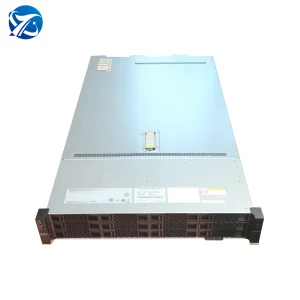
Explore our selection of hyperconverged servers, high-efficiency power supplies, and storage systems designed to support enterprise hybrid cloud infrastructure.