Aiserveon
Aiserveon
Aiserveon
Enterprise-grade hardware designed for data centers, high-performance computing pipelines, and deep learning platforms.
In the era of massive language models, hyperconverged cloud architectures, and intensive AI workloads, data storage integrity is the bedrock of digital transformation. Enterprise storage deployments require massive arrays of high-performance hard disk drives (HDDs) and solid-state drives (SSDs). As global IT managers procure hardware, navigating the regulatory environment becomes paramount. The CE Certification is not merely a regional regulatory seal; it is a globally recognized metric of electromagnetic compatibility, mechanical safety, and operational reliability.
Aiserveon Intelligent Computing Tech Co., Ltd. has developed this whitepaper to analyze the complex interplay between compliance frameworks, Chinese manufacturing optimization, and structural shifts in server architecture. By understanding the core parameters of CE-certified hard disk manufacturing, global enterprises can mitigate risk, protect downstream hardware, and ensure optimal Total Cost of Ownership (TCO).
CE marking indicates that hard disks and storage array controllers conform to European Union health, safety, and environmental protection standards. For high-speed magnetic media (NL SAS HDDs) and enterprise solid-state storage, compliance involves multiple stringent directives:
Ensures that high-frequency data transmission (such as SAS 12Gb/s or PCIe Gen 4/5) does not emit electromagnetic interference (EMI) that disrupts adjacent GPU accelerators or server boards.
Governs the electrical safety of the components, ensuring that power distribution systems (specifically +5V and +12V power rails in SATA/SAS drives) function safely under sustained high loads.
Restricts hazardous substances in electrical and electronic equipment. Our factory ensures 100% lead-free soldering and mercury-free component assembly across all drives and riser boards.
Over the past two decades, China has transitioned from a basic assembly hub to the epicenter of precision hardware engineering. Factories located in Chinese technology corridors leverage structural advantages that directly translate to superior products for international buyers:
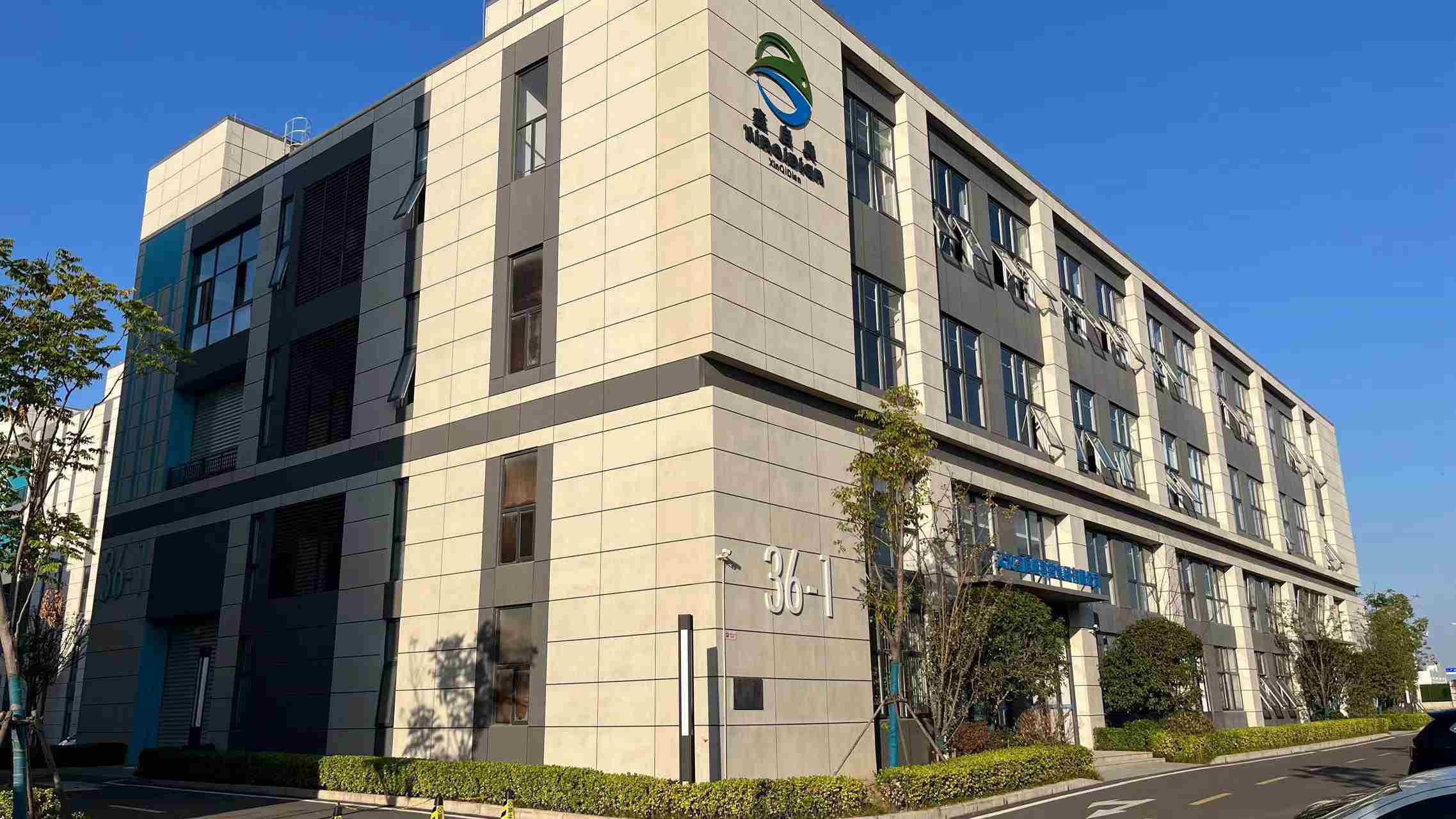
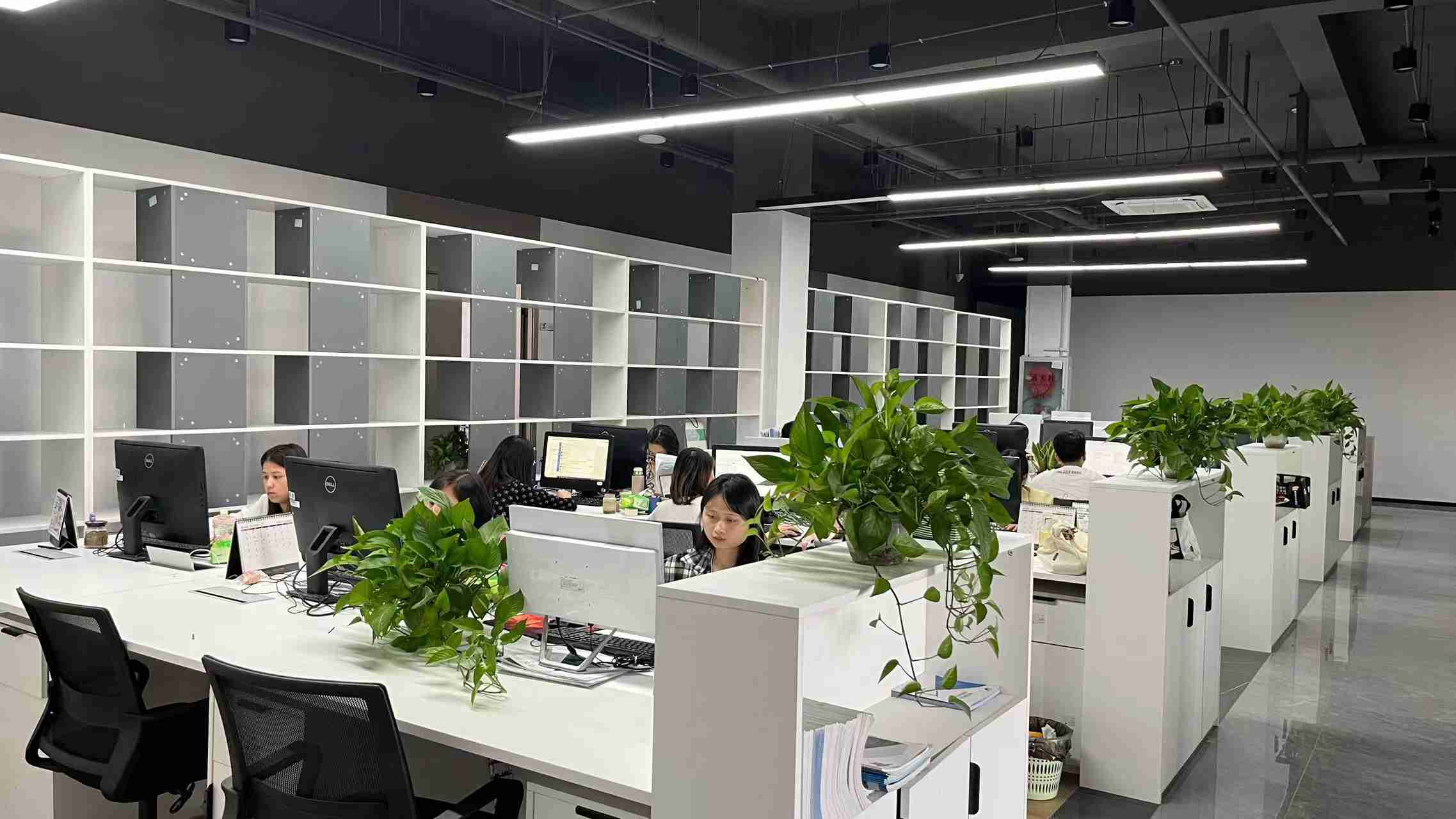
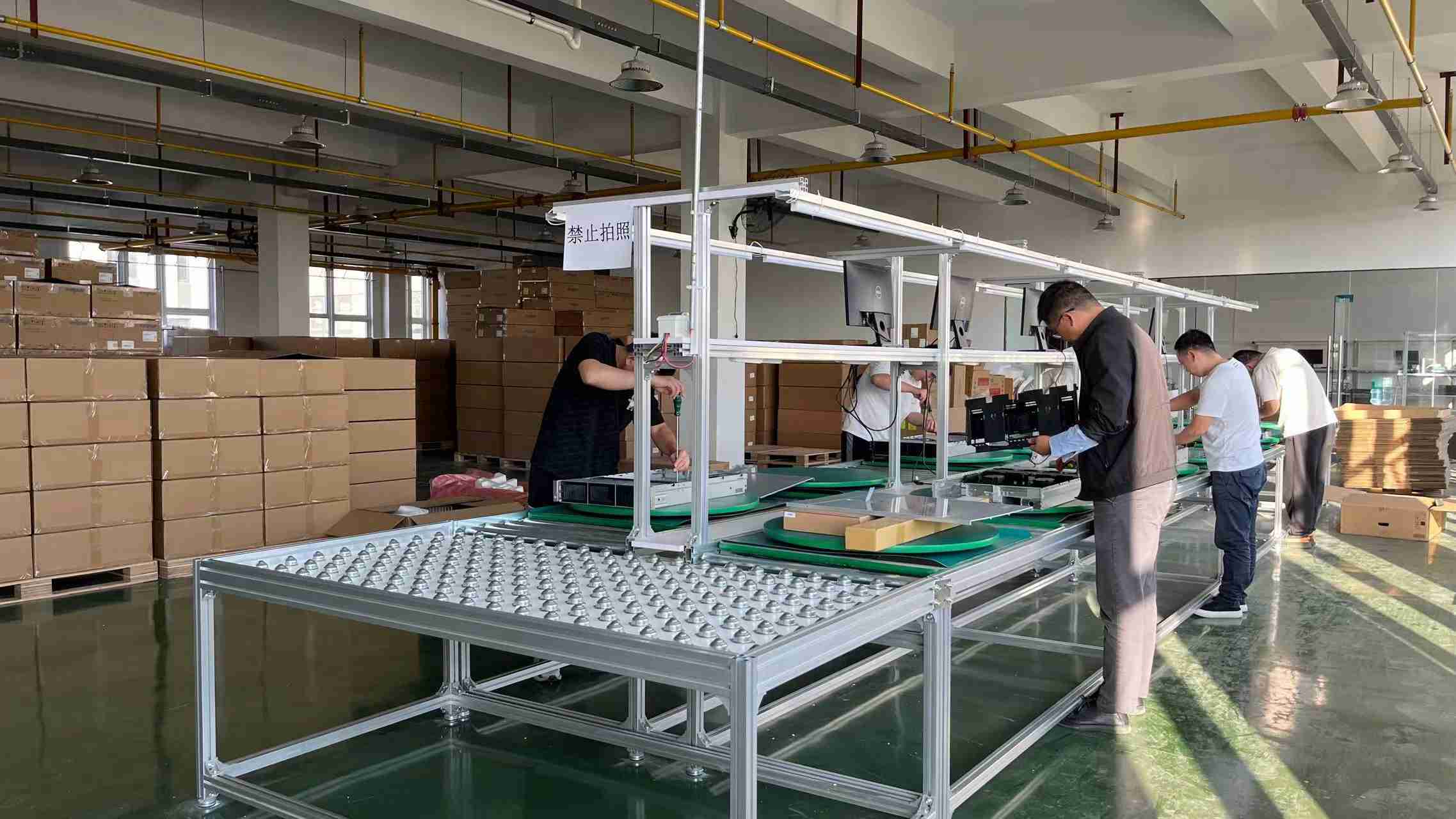
Aiserveon Intelligent Computing Tech Co., Ltd. is a professional AI server and intelligent computing infrastructure manufacturer focusing on high-performance GPU servers, AI clusters, and data center solutions. Operating under the globally respected brand Aiserveon, the company has built an authoritative reputation in AI computing hardware supply chain integration, storage optimization, and customized server manufacturing.
We implement a multi-stage testing environment incorporating IQC, IPQC, FQC, and OQC with full traceability management. Every hard disk and RAID controller card is cataloged to trace its component origin, assembly timeline, and testing logs.
Our validation protocols include strict AQL sampling, full-load burn-in testing, automated performance stress tests, and thermal stability validation. We subject our storage systems to temperature ranges from 0°C to 70°C under 100% write/read cycles.
Backed by an engineering team of 85 hardware and system engineers, we designed, manufactured, and upgraded over 120 new models last year, aligning hardware platforms with emerging computational workloads like DeepSeek AI inference models.
We provide comprehensive OEM/ODM custom services including custom server chassis layout, drive bay configuration, custom BIOS/firmware injection, and specialized RAID controller programming to meet strict security protocols.
As modern workloads evolve from standard relational databases to AI-driven model training, enterprise storage infrastructure has adapted accordingly. The trend is moving towards hybrid designs where traditional high-capacity mechanical drives operate in tandem with low-latency NVMe and SAS controller systems.
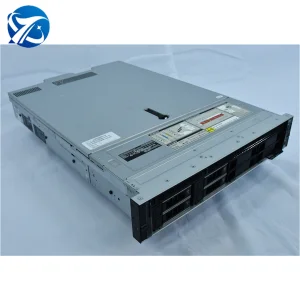
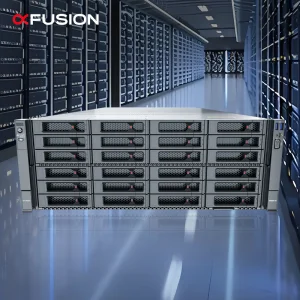
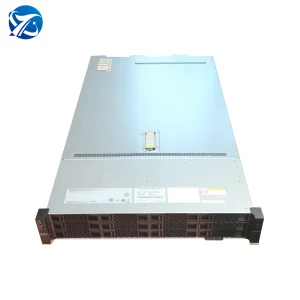
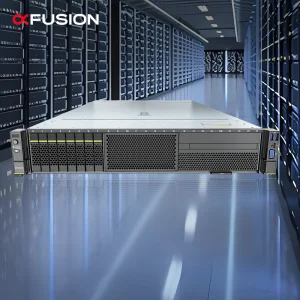
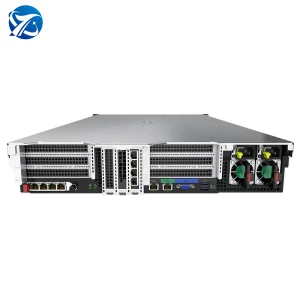
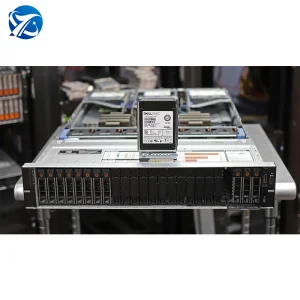
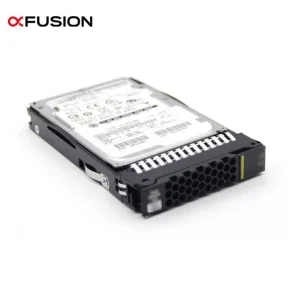
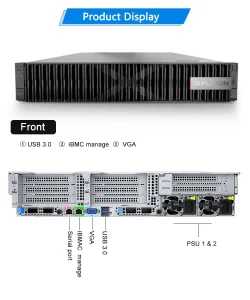
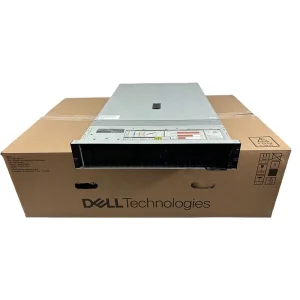
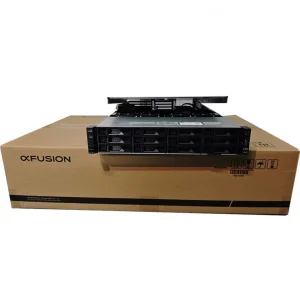
AI systems like the xFusion 2288H V7 and Dell PowerEdge R760 are optimized for training workloads that process massive parameters. In these setups, storage is structured into three layers: a high-speed SSD caching tier, a high-throughput SAS array processing staging data, and a deep near-line SAS hard disk storage block (such as our 4TB to 12TB SAS 12Gb/s drives) hosting raw datasets.
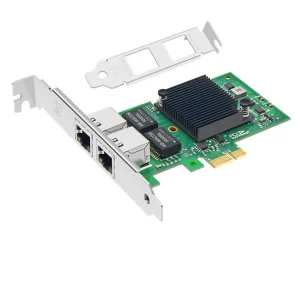
Modern virtualization relies on hyperconverged platforms where computing power and storage are local to each server node. The 9540-8i RAID SAS Controller Card or the Array Card XC470C-M-8i act as critical controllers, orchestrating local drive operations to ensure low-latency performance while maintaining localized hardware redundancy.
Across key geographical sectors—such as North America, Europe, Southeast Asia, and the Middle East—specific application demands shape procurement:
When purchasing storage hardware from Chinese factories, enterprise procurement managers should evaluate the following structural specifications:
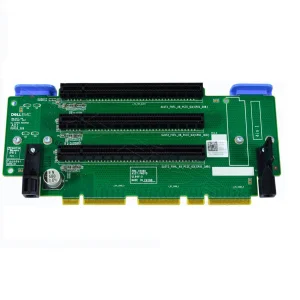
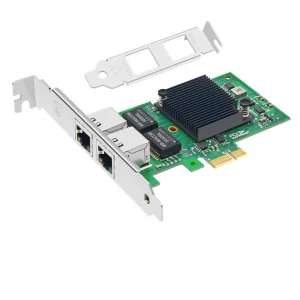
Ensure that the interface (SAS 12Gb/s, SATA 6Gb/s, or NVMe PCIe Gen 4) is compatible with existing server backplanes. For legacy migrations, check if the system requires a custom riser card or a specific RAID controller layout (e.g., LSI SAS3908 or Broadcom 9540-8i platforms).
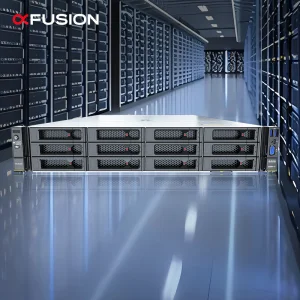
High-density drive chassis (such as 12-drive or 24-drive 2U platforms) are vulnerable to rotational vibration. Sourcing hard disks equipped with Rotational Vibration (RV) sensors is critical to preventing performance degradation.
Work directly with a manufacturer that provides firmware integration. Custom microcodes control write-cache behavior, spin-down policies, and error recovery control (ERC) thresholds, preventing drives from dropping out of active RAID groups.
Expert insights answering key questions about CE certification, manufacturing controls, and storage system deployments.
High-capacity storage drives, controller modules, and enterprise rack servers designed for scalable IT environments.